
Concrete Mixing Solutions
Spare Parts and Maintenance Costs That Affect Self-Loading Concrete Mixer Price in Ghana
The initial purchase price of self loading concrete mixer in Ghana tells only half the story. A machine priced at GHS 180,000 may seem like a bargain compared to a GHS 300,000 alternative. Yet eighteen months into operation, the cheaper unit might have consumed GHS 50,000 in spare parts while the premium machine has required only routine servicing. Ghanaian contractors have learned this lesson through painful ledger entries. The real cost of ownership is not the invoice from the importer. It is the cumulative expense of hydraulic hoses, drum wear plates, control board components, and the logistics of getting those parts from Tema Harbour to a remote site in the Ashanti Region. This investigation examines the specific spare parts and maintenance items that drive total ownership cost—and why buyers who ignore these factors often regret their initial savings.
The Hydraulic System: Ghana's Hidden Cost Center
Self-loading mixers rely on hydraulic power for drum rotation, loading arm articulation, and steering. The hydraulic pump, a gear-type unit on most Chinese imports, operates at pressures between 180 and 220 bar. Ghana's ambient temperatures, often exceeding 35°C, thin hydraulic oil and accelerate seal degradation. A seal failure on a pump shaft costs GHS 1,200 to replace. The pump itself, if the seal failure goes unnoticed and the pump runs dry, costs GHS 8,000 to GHS 15,000. Premium European machines use piston pumps with better thermal compensation. Those pumps cost twice as much upfront but last three times as long in tropical conditions. The arithmetic favors the premium component after 24 months of operation.
Hydraulic Hose Replacement Frequency
The average self-loading mixer contains 18 to 24 hydraulic hoses. Each hose handles pressures sufficient to inject fluid through human skin—a serious safety hazard when a burst occurs. In Ghana, hose life averages 14 months due to ultraviolet radiation degrading the rubber exterior and abrasive dust wearing through braided covers. A complete hose set costs GHS 3,500 to GHS 5,000, plus labour. Buyers should ask suppliers for the hose specification. Hoses rated to SAE 100R2 or EN 857 2SC offer better durability than generic R1 types. The difference in concrete mixer machine price in Ghana is GHS 800 per set. The difference in lifespan is six months of additional service.
Oil Filtration and Contamination Control
Ghana's construction sites are dusty. Hydraulic oil contaminated with silica particles acts as lapping compound, grinding valve spools and wearing pump internals. A return-line filter element costs GHS 180 and requires replacement every 250 operating hours. Contractors who skip this replacement save GHS 180 but risk a GHS 12,000 pump failure. The data from Accra-based equipment rental firms shows that machines receiving filter changes at scheduled intervals experience 70% fewer hydraulic failures than those where filters are ignored. The maintenance ledger does not lie.
Wear Parts: The Consumables That Add Up
The mixing drum contains internal blades that fold, agitate, and discharge concrete. These blades are consumables. In normal operation, a set of blades lasts 3,000 to 5,000 cubic meters of production. Blade replacement costs GHS 2,500 to GHS 4,000 depending on the supplier. However, Ghanaian aggregates often contain high silica content from river sand. Silica accelerates blade wear. In some regions, blade life drops to 1,500 cubic meters. The solution is hardfacing—applying a layer of tungsten carbide weld deposit to new blades before installation. Hardfacing adds GHS 1,200 per set but doubles blade life. Few importers offer this as a standard option. Buyers must request it separately.
Loading Arm Pivot Bushings
The loading arm raises and lowers a bucket that scoops aggregates and cement. This arm pivots on bronze or steel bushings. Bronze bushings wear rapidly when insufficiently lubricated. Ghana's site conditions—fine dust mixing with grease to form an abrasive paste—accelerates bushing wear to 400 hours of operation. Replacement bushings cost GHS 450 per set. Steel bushings with hardened pins cost GHS 900 but last 1,200 hours. The premium option reduces downtime for replacements, which typically require a full day of workshop labour. For contractors running a single mixer, a day of downtime means a day of no concrete. That lost revenue often exceeds the bushing cost differential.
Tyre Wear and Site Conditions
Self-loading mixers travel on pneumatic tyres. They move between aggregate stockpiles, cement storage, and the pour location. On unpaved Ghanaian sites, tyres encounter sharp laterite stones, offcuts of rebar, and demolition debris. A single puncture can take a tyre out of service. Tyre replacement costs GHS 1,200 to GHS 1,800 per unit. Some contractors retrofit foam-filled tyres—pneumatic tyres filled with polyurethane foam instead of air. Foam-filled tyres cost GHS 2,500 each but eliminate punctures entirely. The payback period is two punctures avoided. For sites with scattered debris, foam filling is a rational investment, not a luxury.
Logistics and Parts Availability
A spare part sitting in a Guangzhou warehouse is worthless to a contractor in Kumasi. The real cost of a part includes shipping lead time, customs clearance, and local transport. Ghanaian importers who stock local spares command a premium price—sometimes 40% above the cost of ordering directly from China. That premium reflects the value of immediate availability. A contractor who waits three weeks for a hydraulic pump from overseas loses three weeks of production. At a conservative GHS 800 per day in lost revenue and labour, that three-week delay costs GHS 16,800. Paying an extra GHS 5,000 for a locally stocked part becomes a savings, not an expense.
Supplier Support Contracts
Some Accra-based equipment suppliers now offer preventative maintenance contracts for self loading large concrete mixers. For GHS 1,200 per month, the supplier visits the site weekly, checks fluid levels, inspects hoses, and replaces filters. The contract includes a response time guarantee—four hours for breakdowns within the Greater Accra Region, 24 hours for other regions. Contractors who purchase these service agreements report 35% lower maintenance costs over two years compared to those who manage maintenance reactively. The reason is simple: preventative intervention catches a leaking hose seal before it becomes a burst hose. It catches a worn bushing before it ovalises the pivot bore.
The Grey Market Trap
Parallel imports—mixers brought into Ghana without an authorised local distributor—offer lower upfront prices. However, their spare parts supply chain is unpredictable. A buyer who purchases a grey-market machine may find that the drum blade pattern is unique to that factory, and no local supplier stocks it. Custom fabrication of blades costs GHS 6,000 per set, double the price of standard parts. Independent mechanics may refuse to work on unfamiliar hydraulic systems. The savings on the initial purchase evaporate within the first major repair. Authorised distributors charge more at the point of sale but provide parts traceability and mechanic training. The ledger shows that authorised channels deliver lower total cost of ownership beyond the 18-month mark.
Total Cost of Ownership Calculations
A self-loading concrete mixer in Ghana will consume 30% to 50% of its initial purchase price in spare parts and maintenance over three years of active use. A GHS 200,000 mixer will incur GHS 60,000 to GHS 100,000 in additional costs. The variance depends on hydraulic system quality, blade material, tyre specifications, and parts logistics. Buyers who evaluate mixers based solely on the showroom price will discover hidden liabilities. Those who interrogate the spare parts ecosystem—availability, cost, lead time, and supplier support—will select machines that remain profitable throughout their service life. The price tag on the mixer is a starting point. The maintenance ledger is the final verdict.

UAE Site Challenges & the Fix: Why Self Loading Concrete Mixers Work Well
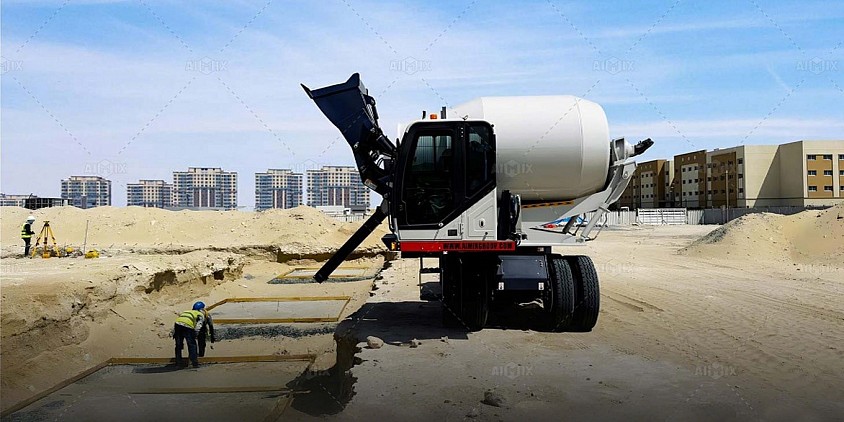
The United Arab Emirates is a land of ambitious construction. Skyscrapers pierce the clouds. Villas spread across new developments. Infrastructure projects connect distant emirates. Yet for all this progress, the people working on the ground face persistent challenges. Access is tight. Ready-mix delivery is unpredictable. Remote sites lack supply. The self loading concrete mixer for sale addresses these challenges directly. It is not a replacement for the ready-mix truck. It is a complement. A tool for the gaps. This article describes the specific site challenges in the UAE and explains how self-loading mixers resolve them. The tone is respectful of the difficulties contractors face. The instruction is practical. The goal is to help you decide whether this machine belongs in your fleet.
Challenge One: Restricted Access on Urban Sites
A typical ready-mix truck is wide. It is long. It requires a 12-metre turning circle. Many UAE urban sites do not have this space. A villa renovation in Jumeirah. A compound upgrade in the Meadows. A commercial fit-out in Al Quoz. The truck arrives. The driver looks at the gate. The driver shakes his head. The concrete must be carried by wheelbarrow. The crew labours. The schedule slips. The self-loading mixer is different. It is compact. A typical unit is 2.2 metres wide and 6 metres long. It turns in a 6-metre circle. It fits through standard gates. It manoeuvres around obstacles. The respectful observation is that the self-loading mixer does not ask the site to change. It adapts to the site. That is a significant advantage in built-up urban areas.
Many UAE sites have unpaved areas. Sand is common. A 30-tonne ready-mix truck sinks. The driver attempts to move. The wheels spin. The truck is stuck. A tow truck is called. The concrete in the drum continues to hydrate. The load is lost. The self-loading mixer weighs 8 to 12 tonnes. It has lower ground pressure. It moves across sand that would swallow a truck. The respectful advice is that the self-loading mixer is not immune to soft ground. It can still get stuck. The risk is much lower. For sites with unpaved access, the self-loading mixer is the more reliable choice.
Challenge Two: Unpredictable Ready-Mix Delivery
Ready-mix suppliers in the UAE manage large fleets. They serve many customers. Your pour is one of many. The supplier dispatches trucks based on their priorities. The truck may arrive at 8 AM. It may arrive at 10 AM. It may arrive at 2 PM. The crew waits. The forms wait. The schedule waits. The respectful observation is that the supplier is not being malicious. They are managing a complex operation. The effect on your schedule is the same. The self loading mixer in Dubai eliminates the dependency. You produce concrete when your crew is ready. Not before. Not after. The control is yours.
A ready-mix supplier may refuse a small pour. A garden retaining wall needs 3 cubic metres. A pool surround needs 5. The supplier may charge a premium. They may decline the order altogether. The respectful advice is that self-loading mixers excel at small pours. The operator loads the materials in the morning. The machine travels to the site. The concrete is produced. The pour is completed. No premium. No refusal. The small pour becomes profitable.
Challenge Three: Remote Site Logistics
A remote site in Al Ain or Ruwais is 100 to 200 kilometres from the nearest ready-mix plant. The truck travels two hours each way. The concrete in the drum is agitated for four hours. The slump is affected. The temperature rises. The quality is compromised. The respectful observation is that ready-mix is not designed for long distances. The self-loading mixer carries dry materials. The aggregates and cement are loaded at a central yard. The machine travels to the site. The concrete is produced on arrival. No slump loss. No temperature rise. The quality is controlled by the operator.
Remote sites may lack electricity and water. A self-loading mixer carries its own power source. The diesel engine drives the hydraulics. The machine does not need grid power. Water can be carried in a tank or sourced from a borehole. The respectful advice is that self loading concrete mixers in UAE are self-sufficient. They do not depend on local infrastructure. This independence is valuable in remote locations. It allows work to proceed where ready-mix cannot reach.
The respectful conclusion is that the self-loading concrete mixer is a practical solution to common UAE site challenges. It fits where trucks cannot. It works when delivery is uncertain. It operates where infrastructure is limited. The machine is not a cure-all. It will not replace the ready-mix truck on large pours or major infrastructure projects. It will serve as a reliable tool for the many smaller, more difficult pours that are essential to completing a project. Contractors who add a self-loading mixer to their fleet gain flexibility. They gain control. They gain the ability to say yes to projects that others might decline. That is a competitive advantage worth considering.
Self Concrete Mixer Price in Nigeria: A Realistic ROI Plan for a $35,000 Construction Budget
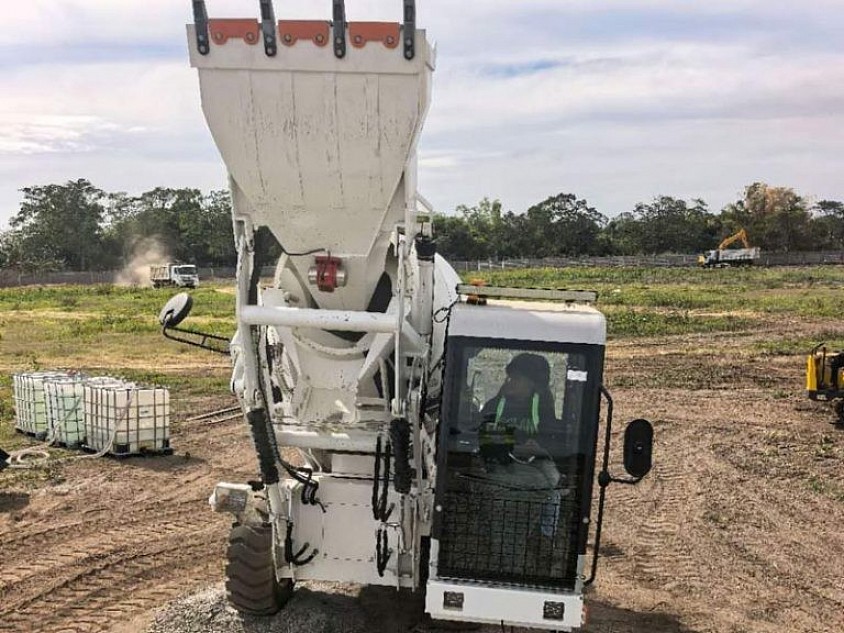
Let us talk about money. Specifically, $35,000. That is a serious sum in Nigeria. It is enough to buy a decent self-loading concrete mixer. It is also enough to make a terrible mistake if you spend it unwisely. The self concrete mixer price in Nigeria varies wildly. You can spend $25,000 on a gamble or $35,000 on a tool that builds wealth. This article argues for the tool. It provides a realistic return on investment plan for a $35,000 budget. The plan is not complicated. It is not get-rich-quick. It is honest. It assumes you will work. It assumes you will maintain the machine. It assumes you will treat it as a business asset, not a toy. Follow this plan, and your mixer pays for itself in a year. Ignore it, and you join the long line of contractors who bought cheap and regretted expensive.
The $35,000 Machine: What You Get and What You Do NotSpecifications Worth the Premium
A $35,000 self-loading concrete mixer in Nigeria is not the cheapest. That is the point. For this price, you get a 1.8 to 2.0 cubic meter machine with a reliable engine. Not a no-name Chinese engine. A Weichai. A Cummins. Sometimes a Kubota. You get load cells for accurate weighing, not volumetric guesswork. You get a control panel that works. You get hydraulic hoses that do not burst in the first dry season. You get a machine that starts every morning. The creative observation is that the difference between a $25,000 machine and a $35,000 machine is not $10,000. It is the difference between profit and loss. The cheaper machine will break. It will waste cement. It will idle for weeks waiting for parts. The $35,000 machine runs. It produces. It earns.
What the Price Does Not Include
Honesty requires a list of exclusions. The $35,000 price is delivered to a Nigerian port. It is not delivered to your site. You pay clearing agent fees. You pay demurrage if the port delays you. You pay inland transport. Budget an extra $3,000 to $5,000 for these costs. The machine does not include a spare parts kit. Budget another $1,000 for blades, filters, and belts. The price of self loading concrete mixer does not include operator training. If the supplier offers training, take it. If not, budget $500 to bring a mechanic to your site for a day. The total investment is $35,000 plus $5,000. That is $40,000. That is the real number. Plan for it.
The ROI Plan: 12 Months to PaybackRevenue Per Month
A self-loading mixer operating in Nigeria can produce 15 to 20 cubic meters per day. That is conservative. It assumes one shift, some downtime, and typical site conditions. At 18 cubic meters per day and 22 working days per month, the monthly output is 396 cubic meters. The selling price for ready-mix concrete delivered by a self-loader varies by region. In Lagos, Abuja, or Port Harcourt, a reasonable rate is ₦45,000 to ₦55,000 per cubic meter. Use ₦50,000 for the calculation. Monthly revenue is 396 cubic meters times ₦50,000. That is ₦19.8 million. At an exchange rate of ₦1,500 to the dollar, that is $13,200. Monthly revenue exceeds the machine's cost. The creative observation is that the math works. The machine pays for itself in three months of revenue. That is not a typo. Three months.
Costs Per Month
Revenue is not profit. Costs matter. Diesel for the machine: 10 litres per hour, 8 hours per day, 22 days per month. That is 1,760 litres. At ₦900 per litre, fuel cost is ₦1.58 million. Labour: one operator at ₦150,000 per month. One loader driver at ₦150,000. One labourer at ₦100,000. Total labour ₦400,000. Wear parts: blades, filters, hoses. Average ₦200,000 per month. Maintenance: oil changes, grease, minor repairs. ₦150,000 per month. Miscellaneous: water, site costs, contingencies. ₦200,000 per month. Total monthly costs: ₦2.53 million. Monthly revenue: ₦19.8 million. Monthly gross profit: ₦17.27 million. That is $11,500. The creative argument is that the mini concrete mixer machine does not just pay for itself. It generates substantial profit while doing so. The ROI period is not the time to recover the investment. It is the time to recover the investment and still have money left over.
Making the Plan Work: Risks and RealitiesThe Utilisation Risk
The plan assumes 22 working days per month. That requires steady work. It requires customers. A machine that sits idle generates no revenue. The creative advice is to secure customers before buying the machine. Talk to builders. Talk to developers. Get commitments. A letter of intent is not a contract. It is better than nothing. If you cannot find customers, do not buy the machine. The machine is a tool. The business is finding work. Do not confuse the two.
The Maintenance Reality
The plan assumes the machine runs. It will not run without maintenance. The operator must grease the pins daily. They must check the oil weekly. They must clean the drum after every pour. If they skip these tasks, the machine will break. The creative observation is that most breakdowns are not factory defects. They are operator neglect. Train your operator. Pay them well. Hold them accountable. A reliable operator is worth more than a reliable machine.
The creative conclusion is that a $35,000 self concrete mixer price in Nigeria is not an expense. It is an investment. A good one. The numbers work. The revenue potential is enormous. The costs are manageable. The risks are real but controllable. Secure customers. Train your operator. Maintain the machine. You will recover your investment in months. You will build a business that lasts years. That is the plan. That is the promise. Now go pour concrete.
Price Guide for Self-Loading Concrete Mixers in Ethiopia: Key Expectations
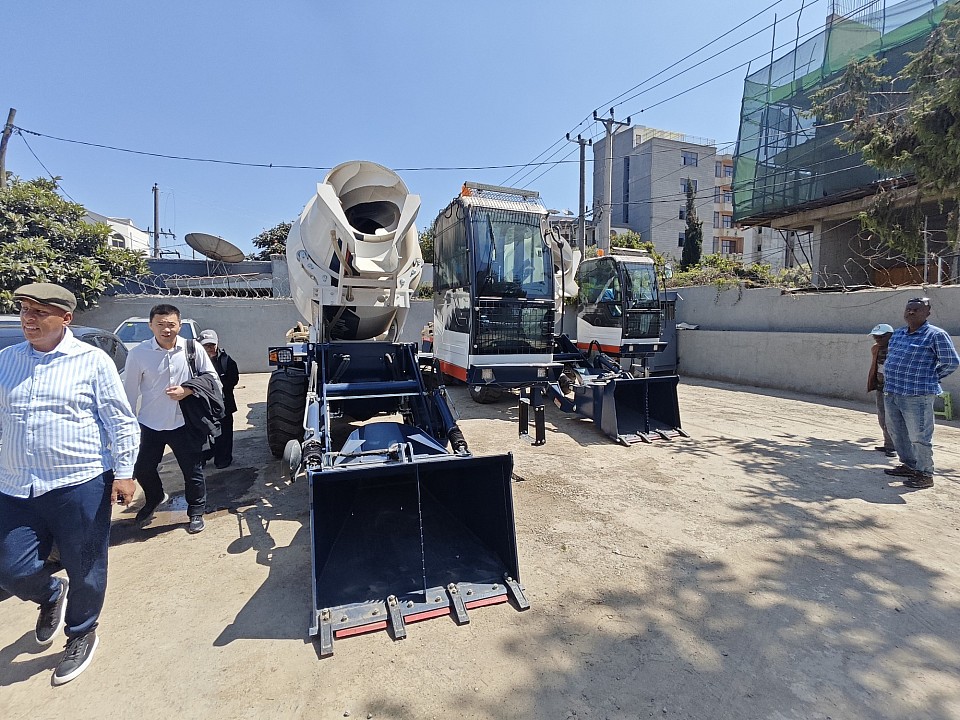
The procurement of a self-loading concrete mixer in Ethiopia represents a strategic capital investment for contractors and construction firms seeking operational autonomy and efficiency. A transparent understanding of the total financial commitment, extending far beyond the advertised self loading concrete mixer price, is essential for accurate budgeting and project viability assessment. The final cost is an aggregate of several distinct financial layers: the core equipment cost influenced by technical specifications, the substantial ancillary expenses of importation and localization, and the projected operational expenditures that determine the return on investment. This analysis provides a systematic breakdown of these cost components, offering a realistic framework for financial planning within the specific economic and logistical landscape of Ethiopia.
The Core Capital Investment: Understanding the Initial Outlay
The starting point is the Free on Board (FOB) or Cost, Insurance, and Freight (CIF) price of the machine itself. This figure is primarily dictated by the mixer's technical configuration and manufacturing provenance. Key specifications that escalate the base concrete mixer price in Ethiopia include engine power and brand (a renowned Deutz or Perkins engine commands a premium over a generic alternative), mixing drum capacity (typically ranging from 500 to 1200 liters), and the sophistication of the hydraulic system for the loading arm and steering. Additional features like four-wheel drive capability for challenging terrain, an integrated water pump and tank, or more advanced electronic controls will incrementally increase the cost. Furthermore, the choice between a new unit from an original equipment manufacturer (OEM) and a used machine presents a fundamental cost differential, with the latter carrying reduced initial outlay but higher potential risk for unforeseen repairs.
However, the CIF price is merely the beginning for an Ethiopian buyer. The most significant financial additions are incurred during importation. These include shipping and freight insurance to the port of Djibouti, followed by overland transport to Addis Ababa or another regional hub. Crucially, Ethiopian customs duties and taxes must be calculated. This typically involves a combination of import duty, value-added tax (VAT), and other surcharges, which can add a substantial percentage—often 35% to 50% or more—to the landed cost of the machine. A reliable freight forwarder or local agent is indispensable for providing an accurate landed cost calculation, as these fees are non-negotiable and mandatory for clearing customs.
On-Ground Commissioning and Ancillary Costs
Once the machine clears customs and is delivered to your site or yard, a second phase of essential expenditures begins. The mixer requires a suitable operating environment, which may necessitate basic site preparation such as leveling and creating a hardstand. Comprehensive operator training is a critical, yet often overlooked, cost component. Effective training ensures safe operation, maximizes productivity, and prevents early-life damage to the equipment. Whether provided by the supplier's technician (whose travel and accommodation may be an added cost) or a local expert, this investment directly impacts the machine's profitability.
Concurrently, establishing an initial spare parts inventory is a prudent financial safeguard. Essential wear parts and common service items (filters, hoses, hydraulic seals) should be procured upfront to mitigate downtime caused by supply chain delays. Finally, local compliance may involve costs for agency approvals or inspections, though these are generally less burdensome for construction equipment than for other regulated imports. Allocating a contingency fund of 5-10% of the landed cost for these on-ground commissioning and ancillary expenses is a standard and recommended practice.
The Operational Economics: Calculating Total Cost of Ownership (TCO)
The ultimate measure of the investment's wisdom is not the purchase price alone, but the Total Cost of Ownership over the asset's productive life. This requires projecting ongoing operational costs specific to the Ethiopian context. Fuel consumption, based on local diesel prices, is a major variable expense. Maintenance costs must be budgeted, including routine servicing, lubricants, and the periodic replacement of high-wear components like mixing blades and hydraulic hoses. Access to and cost of skilled mechanic services in your operating region will also influence this calculation.
The counterbalance to these costs is the machine's revenue generation potential. This is a function of its utilization rate—the number of billable hours or cubic meters of concrete produced per month. To calculate a realistic payback period, model your expected monthly gross revenue from the large cement mixer's services against the sum of its monthly operational costs and the amortized portion of the initial capital outlay. In Ethiopia's growing construction market, a well-utilized self-loading mixer targeting small to medium pours, remote sites, or projects with access limitations can typically project a payback period of 18 to 36 months, depending on management efficiency and market rates. This TCO analysis transforms the purchase from a simple equipment acquisition into a data-driven business decision, clarifying the path from initial investment to sustainable profitability.
From Site Waits to Site Flow: Reconfiguring UK Concrete Logistics with Self Loading Mixer
The persistent challenge of concrete logistics on UK construction sites is one that has, for decades, been accepted as an immutable cost of doing business—the languid queue of mixer trucks idling on narrow access roads, the fraught radio conversations between site agents and batching plant dispatchers, the clock-watching anxiety as ready-mix begins its inexorable slump within the drum. Yet this paradigm of centralised production and distributed delivery is being quietly dismantled by a machine that consolidates the entire supply chain onto a single chassis: the self loading concrete mixer. Across the British construction landscape, from the constrained urban infill sites of London to the sprawling infrastructure projects of the North, this versatile piece of equipment is recalibrating expectations around what constitutes efficient material flow. By shifting the locus of concrete production from the distant batching plant to the very point of placement, it collapses logistical lead times, eradicates the vulnerability to traffic congestion, and empowers site managers with a degree of autonomy previously reserved for the largest contractors with on-site batching facilities. The result is a transformation from site waits to site flow—a reconfiguration that prioritises momentum over inventory and responsiveness over rigid scheduling.
Eliminating the Transportation Bottleneck and Its Hidden Costs
The conventional ready-mix supply chain in the UK is predicated upon a fragile assumption: that a fleet of trucks can navigate public roads and deliver precise volumes of concrete within a narrow window of workability. In practice, this assumption frequently fractures under the weight of reality. A single accident on the M25 or the M6 can cascade into hours of delays, leaving partially set concrete in a drum and a gang of idle labourers waiting on site. The self-loading mixer dismantles this vulnerability entirely by producing concrete on-site, using aggregates and cement delivered in bulk and stored locally. The machine loads its own materials, mixes them to the precise specification required, and discharges directly into formwork, foundations, or block molds—all without a single journey on the public highway. This elimination of the transportation leg yields benefits beyond punctuality. The hidden costs of waiting time—labour standing idle, subcontractor charges for extended hours, the reputational damage of missed pour schedules—are dramatically reduced. Moreover, the practice of ordering surplus concrete to avoid the calamity of a shortfall, which so often results in waste and disposal fees, becomes obsolete. The machine produces exactly what is needed, when it is needed, transforming material logistics from a liability into a predictable, controlled process.
Adapting to the Constraints of the British Construction Site
The modern UK construction site is rarely a place of generous dimensions. Urban brownfield redevelopments, constrained by existing structures and strict delivery window restrictions, demand equipment that can maneuver with surgical precision. Self loading concrete mixers, with their articulated steering and compact footprint, excel in precisely such environments. They turn within their own length, navigate through standard access gates, and position their discharge chutes with an accuracy that conventional truck mixers—requiring extensive reversing maneuvers and banksman supervision—cannot match. For sites with ground conditions that deter heavy vehicles, many self-loading models offer four-wheel drive and the ability to operate on unimproved surfaces, bringing concrete to locations that would otherwise require a pump or a lengthy barrow run. This adaptability extends to project phasing. Rather than maintaining a constant flow of deliveries from an external plant, the self loading concrete mixer for sale UK allows for a different rhythm: bulk materials arrive in a small number of deliveries, and the machine produces concrete in batches aligned precisely with the progress of the pour. The site operates not on the schedule of the batching plant but on the schedule of the work itself.
Quality Control and the Reclamation of Site Autonomy
Perhaps the most profound shift enabled by on-site mixing is the reclamation of quality assurance from the hands of the supplier and into the control of the contractor. In the traditional model, the site manager must accept the mix that arrives, trusting that the specification ordered is the specification delivered. Any adjustments to slump or workability, once the truck has left the batching plant, are at best difficult and at worst impossible without compromising strength. The self-loading mixer returns this authority to the site. The operator can adjust the water-cement ratio in real time, accounting for the moisture content of the aggregates or the ambient temperature. Specialised mixes—fiber-reinforced concrete, air-entrained formulations, rapid-set blends—can be produced as required, with each batch traceable to its constituent materials. This on-demand production also eliminates the variability that can arise between multiple deliveries from a central plant, where fluctuations in aggregate consistency or water addition by different drivers can create unacceptable variation in finished concrete. The result is a uniformity of product that directly translates to predictable setting times, consistent strength gain, and fewer costly rectification works. The site no longer waits for concrete; the concrete waits, in the form of raw materials, until the site is ready to receive it.
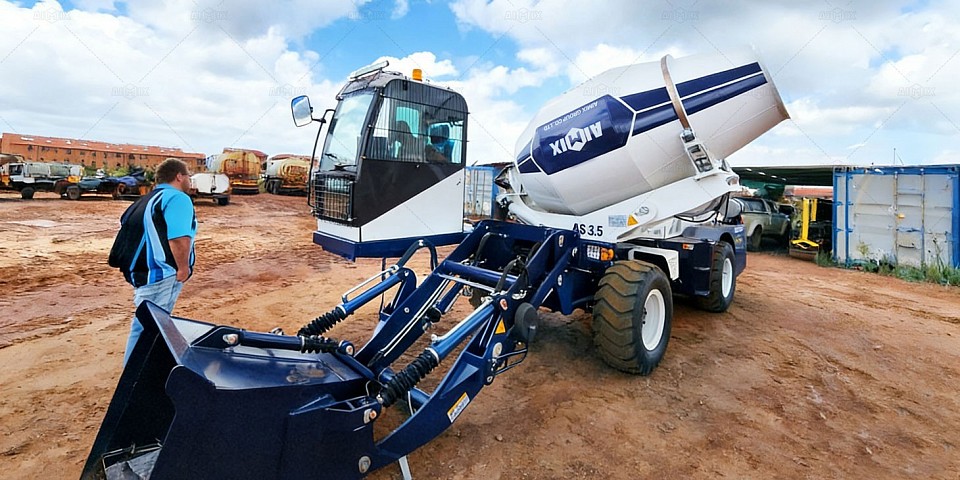
What $30000 Buys You in Nigeria: Self-Loading Mixer Options at Different Price Points
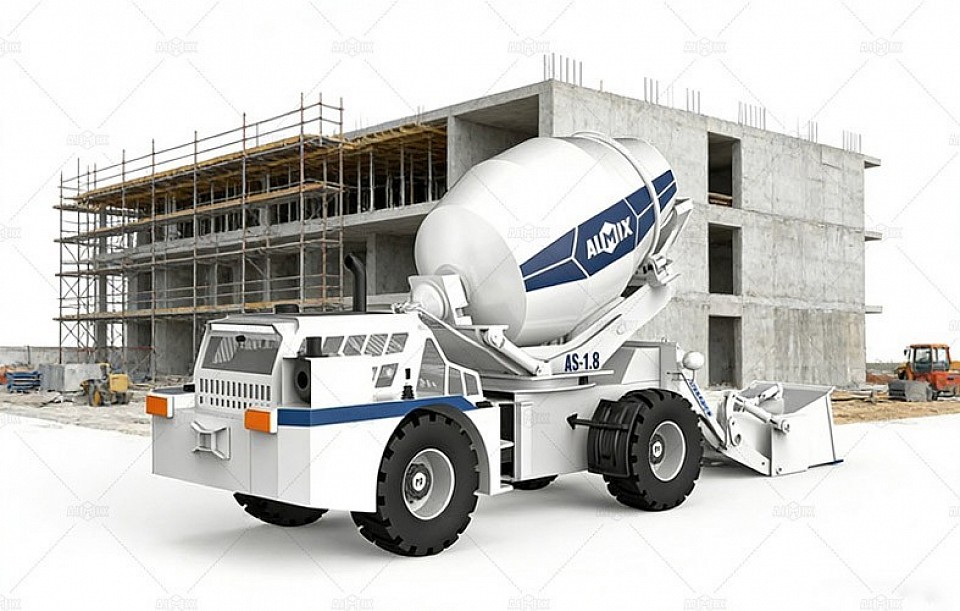
In the dynamic landscape of Nigerian construction, where infrastructure development races to meet the demands of a burgeoning population, the self-loading concrete mixer has emerged as an indispensable asset. It is a mobile micro-plant, blending the capabilities of a loader, a mixer, and a transporter into a single, agile machine. For contractors and small-to-medium enterprise owners, the decision to acquire one is a significant capital outlay, and the market presents a bewildering array of choices at varying self loading concrete mixer machine price points. With a budget of $30,000, a buyer enters a fascinating tier of the market—a threshold where entry-level Chinese machinery meets the lower end of more established, often Indian or European brands. This sum is not merely an expense; it is an investment in operational efficiency. However, what that investment actually delivers in terms of reliability, capacity, technology, and longevity can differ dramatically depending on where within the $30,000 spectrum one chooses to land.
The Value Proposition of Entry-Level Chinese Machines ($18,000 - $25,000)
At the more accessible end of the $30,000 budget, the market is dominated by compact, entry-level self-loading large concrete mixer for sale manufactured in China. For a price hovering between $18,000 and $25,000, a Nigerian buyer can typically acquire a 1.0 to 1.2 cubic meter machine. This is the workhorse of countless small sites in Lagos, Abuja, and Port Harcourt. The proposition here is straightforward: mechanization at a price point that allows for a rapid return on investment. These units are often mechanically simpler, utilizing straightforward hydraulic systems and robust, if not refined, diesel engines. They allow a contractor to replace a team of head-pan loaders with a single operator and machine, drastically reducing the time and labor required for foundations, ground floors, and small slab pours.
However, the lower initial cost carries with it certain trade-offs that a savvy buyer must scrutinize. The fit and finish of these machines can be variable. Hydraulic hoses may be of a lower grade, and the electronic components, such as the weighing system for load cells, can be less accurate or prone to failure in dusty, high-temperature environments. Spare parts availability is a critical consideration. While many Nigerian markets are flooded with generic parts for popular Chinese engines, sourcing specific hydraulic seals or pump components for a less common brand can lead to costly downtime. Therefore, purchasing at this price point necessitates a focus on the local dealer's reputation and their stock of critical spares. The machine you buy is only as good as the support network behind it.
The Mid-Tier Sweet Spot: Enhanced Features and Brand Recognition ($25,000 - $30,000)
As the budget climbs towards the $30,000 ceiling, the buyer enters a more compelling segment where value engineering meets tangible quality improvements. For approximately $28,000, one can often find machines offering increased mixing drum capacity—moving from 1.2 to 1.5 cubic meters—and more sophisticated hydraulic systems. This price range frequently includes models from Chinese manufacturers who have established a more premium brand presence in Nigeria, or the entry-level offerings from Indian manufacturers known for their ruggedness. The incremental cost buys more than just size; it buys refinement.
In this tier, the operator's cabin might offer better ergonomics and visibility, reducing fatigue during long pours. The control systems often transition from purely mechanical levers to more precise electro-hydraulic joysticks, allowing for finer control over the loading shovel and discharge chute. Crucially, the load cells for batching are typically of a higher specification, ensuring that the concrete mix design is accurate, which is fundamental to structural integrity. The engines may be from more widely recognized global brands, offering better fuel efficiency and a more reliable supply of genuine filters and lubricants. For a contractor focused on medium-sized commercial projects or multiple housing estates, this price point represents a strategic investment in uptime and consistency. The slightly higher upfront cost is often quickly recouped through lower maintenance interruptions and the ability to take on slightly larger, more profitable jobs.
Navigating the Pre-Owned Market: Used European or Japanese Machines
A parallel path to consider with a $30,000 budget is the pre-owned market, specifically for used European or Japanese self-loading mixers. Machines from manufacturers like Fiori or Carmix, which command concrete mixer price in Nigeria well over $80,000 when new, can sometimes be found in the $25,000 to $35,000 range after several years of service, often imported from Europe or the Middle East. The allure is the potential for superior engineering, better materials, and a design philosophy focused on longevity and precision. The hydraulic systems on these units are often more sophisticated, offering smoother operation and greater durability.
However, this path is laden with its own set of challenges. The most significant is the specter of maintenance and parts availability. While a new Chinese machine at $22,000 has a readily available (if sometimes inferior) supply chain for parts, a ten-year-old Italian machine may require specialized components that must be ordered from Europe, incurring significant downtime and expense. The buyer must possess, or have access to, a high degree of mechanical acumen. A thorough pre-purchase inspection by a knowledgeable mechanic is not optional; it is imperative. For the right buyer—perhaps one with a workshop and experience with European machinery—this route can yield a superior machine for the same money. For most, however, the lower risk and predictable support of a new machine in the $25,000 to $30,000 band will be the more prudent and profitable choice for navigating Nigeria's demanding construction terrain.
Price Perception: Understanding Buyer Hesitancy Towards Self-Loading Concrete Mixers in Kenya
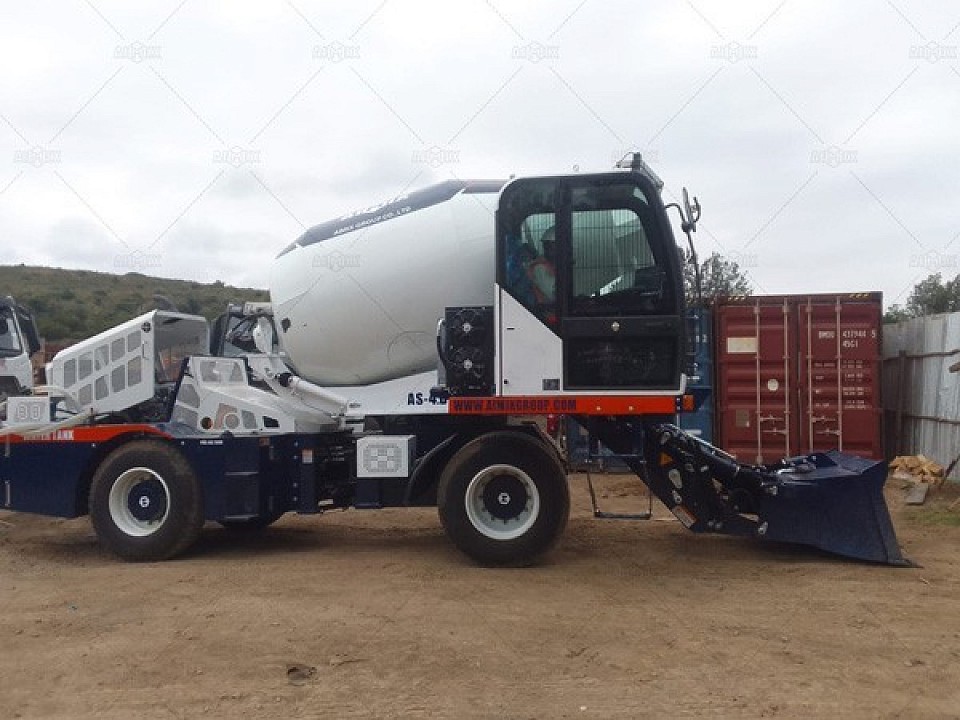
The adoption of self-loading concrete mixers in the Kenyan construction market presents a compelling case study in technological diffusion and price perception. These machines, which integrate material handling, batching, mixing, and often basic placement into a single mobile unit, offer a clear value proposition: significant reductions in manual labor, improved consistency, and operational independence from fixed batching plants. However, market penetration faces a formidable barrier not solely rooted in the machine's technical specifications, but in the profound psychological and economic calculations of potential buyers. This hesitancy is a multifaceted phenomenon, where the upfront purchase self loading concrete mixer price acts as a dominant, yet superficial, deterrent masking deeper concerns about financial risk, operational reliability, and cultural fit within established construction practices. Understanding this hesitancy requires moving beyond the invoice figure to analyze the underlying cognitive and market-structural factors at play.
The Sticker Shock: Deconstructing the Initial Capital Outlay
The most immediate and visceral barrier is the absolute monetary figure of a self loading mixer, which can range from approximately KES 4 million to over KES 8 million for a robust, imported unit. For the vast majority of small and medium-sized contractors, this represents a capital commitment of an entirely different magnitude than their traditional expenditures. The prevailing baseline for comparison is not another piece of heavy equipment, but the incremental, variable cost of manual labor. The business model for many firms is built on managing daily or weekly wages for a crew using basic tools—wheelbarrows, mixers, shovels. The shift to mechanization requires a fundamental reorientation from an operational expenditure (OPEX) model to a capital expenditure (CAPEX) model, a transition for which many businesses are financially and psychologically unprepared.
Compounding this is a critical lack of accessible and tailored financial instruments. Equipment financing, leasing, or hire-purchase agreements are not yet widely normalized or easily accessible for this specific asset class from local financial institutions. The absence of these mechanisms forces a binary choice: full cash purchase or continued reliance on manual methods. This liquidity constraint transforms the price from a manageable investment spread over the asset's productive life into an insurmountable upfront barrier, reinforcing the perception that the technology is exclusively for large, well-capitalized firms, not the entrepreneurial contractors who form the backbone of the industry.
The Operational Cost Enigma: Uncertainty in Total Cost of Ownership (TCO)
Beyond the purchase price lies a cloud of uncertainty regarding long-term costs, which amplifies perceived risk. Potential buyers, unfamiliar with the mechanics of calculating Total Cost of Ownership (TCO), struggle to model the investment's payback period. While they understand the machine replaces labor, they lack the analytical framework to quantify savings in time, material consistency (reduced waste), and the ability to undertake more or larger projects. The upfront cost is a known, painful quantity; the promised efficiency gains are an abstract, future benefit that feels speculative.
This uncertainty extends to maintenance and reliability. There is a pervasive concern about the complexity of the machine's hydraulics, electronics, and engine. Buyers fear becoming reliant on a sophisticated asset that could suffer prolonged downtime due to a lack of local technical expertise or a scarcity of genuine spare parts. The perception is that when a wheelbarrow breaks, it is cheap and quick to fix; when a self-loader's hydraulic pump fails, it could halt operations for weeks at catastrophic cost. This fear of high maintenance expenses and operational vulnerability directly feeds price sensitivity, as buyers mentally inflate the purchase price to include a substantial, undefined contingency for repairs and downtime, making the investment appear even less justifiable.
Market Context and Information Asymmetry: Shaping Risk Aversion
Hesitancy is further entrenched by the market's nascent stage and a strong cultural preference for proven methods. There is a scarcity of visible, long-term local case studies that tangibly demonstrate the machine's success and profitability in a Kenyan context. Without neighboring contractors to vouch for the technology's return on investment through lived experience, the purchase is seen as a pioneering risk rather than a prudent adoption of an established best practice. This information asymmetry between sellers (who promote the machine's benefits) and buyers (who seek peer validation) creates a trust deficit that money alone cannot bridge.
Furthermore, Kenyan construction, particularly in residential and small commercial sectors, is deeply rooted in manual methodologies. This is not merely about cost but about a mastered process with predictable, if lower, outcomes. Introducing a self-loader disrupts established site workflows, crew structures, and management practices. The concrete mixer price in Kenya, therefore, is subconsciously weighed against the cost of this operational disruption and the learning curve required. Until the technology demonstrates not only economic superiority but also seamless integration into the local construction culture—through more demonstrations, operator training programs, and stronger after-sales service guarantees—the initial price will continue to be perceived not as an investment gateway, but as the entry fee to a complex and uncertain gamble. Overcoming this requires a holistic approach that addresses financing, education, and local support, thereby reframing the price from a barrier into a validated pathway to greater productivity and growth.
Comparative Analysis: Local Versus Imported Self-Loading Concrete Mixers in Ghana – Which Is More Cost-Effective?
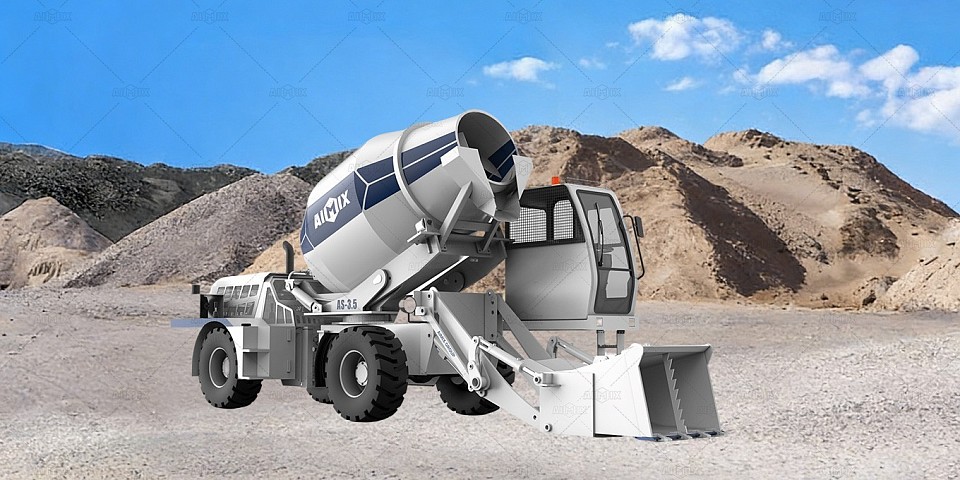
The procurement of a self loading concrete mixer in Ghana presents a strategic financial conundrum centered on origin: locally assembled units versus fully imported machines. A simplistic analysis that prioritizes the initial purchase concrete mixer price in Ghana is analytically insufficient and can lead to a suboptimal total cost of ownership. The true cost-effectiveness of either option is a function of a multi-variable equation that extends far beyond the invoice. This equation must account for direct acquisition costs, the long-term financial burden of maintenance and parts, the economic impact of machine availability, and the eventual exit value of the asset. A rigorous comparative analysis must therefore dissect both the overt and the obscured financial dimensions of this critical investment.
The Initial Outlay: A Superficial Comparison and Hidden Tariffs
On the surface, a locally assembled self loading mixer often presents a more attractive upfront price point. This apparent advantage stems from lower labor costs in final assembly and the potential avoidance of certain international freight charges for a complete unit. However, this initial figure is frequently misrepresentative. The local "price" may be for a basic configuration, with essential options—more robust hydraulics, enhanced filtration systems, or a higher-capacity water tank—constituting significant additional costs. Conversely, the price of an imported unit, typically from established manufacturing hubs in Asia or Europe, is usually all-inclusive but is immediately inflated by a formidable array of external costs. These include international freight, insurance, port handling fees, and, most significantly, Ghana's import duties and value-added taxes. These fiscal impositions can add a substantial percentage to the landed cost, creating a stark sticker price disparity that heavily favors the local option. This initial financial hurdle is the primary argument for local assembly, yet it represents only the most visible layer of the cost iceberg.
The Total Cost of Ownership: A Long-Term Financial Projection
The decisive financial analysis occurs over the operational lifespan of the equipment. Here, the quality and provenance of core components dictate long-term expenditures. An imported machine from a reputable original equipment manufacturer (OEM) utilizes an integrated supply chain for parts. Critical components like the hydraulic pump, engine, and axle are designed for synergy and durability, often resulting in longer service intervals and greater overall reliability. While OEM spare parts may carry a premium, their availability, though sometimes delayed, is predictable, and their fit and function are guaranteed. A locally assembled machine often relies on a multivendor parts ecosystem. While this can facilitate sourcing generic replacement parts like hoses or filters locally and at lower cost, it introduces significant risk. The use of non-OEM, non-certified critical components—such as a lower-specification hydraulic pump or a locally fabricated mixing drum—can lead to premature failure, incompatibility issues, and cascading damage to other systems. The resultant downtime cost and the potential for more frequent, unscheduled repairs can rapidly erode the initial purchase price advantage. The total cost of ownership is a calculus of reliability versus repair cost frequency.
The Intangible Economics: Operational Continuity and Residual Value
Beyond direct costs, the economic impact of concrete mixer machine availability and final asset value must be internalized. Downtime is a direct tax on productivity and profitability. An imported OEM machine, supported by a (sometimes nascent) distributor network offering service agreements and technical support, provides a structured, albeit imperfect, framework for maintenance. This framework aims to maximize uptime. The support for a locally assembled unit is often fragmented, dependent on the assembler's ad-hoc capabilities and the mechanical ingenuity of local technicians, posing a higher risk of prolonged operational interruptions. Finally, the residual value of the equipment must be considered. The secondary market in Ghana exhibits a clear preference for recognized international brands with established reputations for durability. An imported OEM machine typically commands a significantly higher resale value, representing a recoupment of a portion of the initial investment. A locally assembled unit, lacking brand equity and with an uncertain maintenance history, suffers from steep depreciation, often becoming a near-valueless asset at the end of its service life. The cost-effective choice is not determined at the point of purchase but is revealed over the full asset lifecycle through sustained productivity and capital retention.
From Labor-Intensive to Automated: The Impact of Self-Loading Concrete Mixers on Malaysian Factories
The Malaysian manufacturing landscape is in a state of perpetual flux, a dynamic interplay between established practices and the relentless march of technological progress. Within the precast concrete and construction materials sector, a quiet revolution is underway, fundamentally altering the very fabric of production. The catalyst for this transformation is the integration of self loading concrete mixer machine , a piece of machinery that is steadily shifting the operational paradigm from one of sheer human exertion to one of elegant automation. This evolution is not merely about replacing manpower; it is a profound recalibration of efficiency, safety, and economic viability for factories across the nation.
The Traditional Paradigm: Labor-Intensive Production and Its Inherent Strain
For decades, the production of concrete in many Malaysian factories was a spectacle of coordinated human labor. The process was a physical ballet, demanding immense effort and meticulous timing.
The Manual Workflow: A Symphony of Human Effort
The traditional batching process was a sequential and physically taxing endeavor. Workers would manually shovel measured quantities of sand, gravel, and cement into stationary mixers. Water was added by sight and experience, a method vulnerable to subjective interpretation. This entire operation was not only slow but also created a environment dense with particulate matter, posing significant respiratory risks. The cacophony of machinery and the sheer physical demand placed on the workforce created a production floor where human endurance was the primary limiting factor.
The Multifaceted Burden: Costs, Consistency, and Capacity
This reliance on intensive manual labor created a tripartite challenge for factory managers. Firstly, the financial burden was substantial. A large workforce was necessary to maintain output, leading to high and recurrent wage expenditures. Secondly, the consistency of the final product was perpetually at risk. The human element, while diligent, introduced variability in mix proportions and water-cement ratios, potentially compromising the structural integrity of the precast elements. Thirdly, the entire system suffered from a distinct lack of scalability. Ramping up production to meet a tight deadline meant hiring and coordinating even more labor, a logistical and financial hurdle that often constrained growth and responsiveness.
The Technological Inflection: Introducing the Self-Loading Concrete Mixer
The arrival of the self-loading concrete mixer in Malaysia represents a technological inflection point, a clear before and after in the narrative of concrete production. These mobile units are not merely mixers; they are self-contained batching plants on wheels.
Autonomy in Action: The Mechanics of Self-Sufficiency
A self-loading mixer operates with a remarkable degree of autonomy. Equipped with a built-in loading shovel and a computerized batching system, it requires only a single operator. The machine drives to the stockpiles of raw materials, where it precisely scoops and weighs the required aggregates, cement, and water according to pre-programmed mix designs. This entire loading and measuring process is conducted with robotic precision, eliminating the guesswork and material waste endemic to manual methods. The mixing then occurs during transit or on-site, ensuring a homogenous and perfectly specified batch of concrete every single time.
A Paradigm Shift in Operational Dynamics
The operational impact is immediate and profound. Factories can now produce high-quality concrete with a fraction of the workforce, reallocating human resources to more skilled tasks such as quality control, logistics, and machine maintenance. The production cycle is drastically accelerated, enabling a single machine to undertake multiple batches per day with minimal downtime. This shift moves the factory from a model of brute-force production to one of sophisticated, streamlined efficiency.
The Ripple Effect: Quantifiable Impacts on Malaysian Factory Viability
The adoption of this technology sends positive ripples throughout the entire business ecosystem of a Malaysian factory, creating advantages that are both tangible and strategic.
Enhancing Economic Resilience and Competitiveness
The most immediate impact is on the bottom line. While the capital investment is significant, the reduction in long-term labor costs, coupled with drastic decreases in material waste, delivers a compelling return on investment. Factories can produce more consistent, higher-quality products at a lower cost-per-unit, strengthening their position in a competitive market. This economic resilience allows them to tender for larger, more complex projects with confidence, knowing their production capabilities are both robust and predictable.
Elevating Workplace Safety and Human Potential
Beyond economics, the human impact is equally transformative. The reduction in manual handling of heavy, abrasive materials leads to a precipitous drop in workplace injuries, particularly musculoskeletal disorders and respiratory issues. The factory environment becomes cleaner, safer, and less physically demanding. This is not about replacing people but about augmenting their capabilities. It allows the workforce to upskill, transitioning from roles defined by physical labor to positions that leverage technical knowledge and machine oversight. This fosters a more sustainable, dignified, and modern work culture, making the industry more attractive to a new generation of talent.
In conclusion, the integration of self loading large concrete mixers is far more than a simple equipment upgrade. It is a strategic pivot that is redefining the operational DNA of Malaysian factories. By mitigating the burdens of labor-intensity, ensuring unparalleled consistency, and fostering a safer work environment, this technology is building a stronger, more efficient, and more competitive foundation for the nation's industrial future.

Boost Your Self Loading Mixer’s Performance: The Advantages of Using Trusted Hydraulic Components
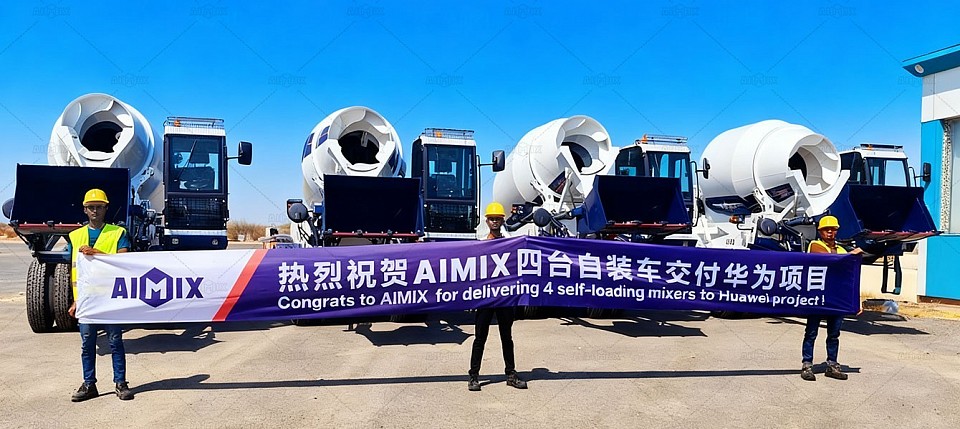
Let's cut the fluff. You didn't buy a self loading concrete mixture to babysit it. You bought it to move mountains of concrete, to make money, and to get the job done while others are still figuring out their lunch order. But that beast sitting in your yard? Its true potential is shackled by the quality of the red, oily lifeblood pumping through its veins—the hydraulic system. Slap in cheap, no-name pumps and valves and you’ve got a temperamental show pony. But forge its heart with trusted, battle-hardened hydraulic components, and you unleash a relentless workhorse that doesn’t know the meaning of quit. This isn't about maintenance; it's about a fundamental transformation from a machine that works to a machine that dominates.
The Heart of the Beast: Why Your Hydraulic System Isn't Just Another Part
Think of your mixer's hydraulics as its central nervous and circulatory systems combined. It's not just about raw power; it's about the precise, intelligent delivery of that power. Every single function—from the gnashing bite of the loading bucket to the slow, deliberate pour of the chute—is a direct command from this system. When you install a second-rate component, you're introducing a weak link in a perfectly tuned chain. This isn't a part that just fails in isolation. A failing pump doesn't just die quietly. It sends a tsunami of metallic shrapnel through every valve, cylinder, and motor downstream. It turns your hydraulic fluid into an abrasive slurry that grinds away at seals and precision surfaces. One cheap part can trigger a domino effect of catastrophic failures, turning a simple replacement into a financial bloodletting that sidelines your machine for weeks.
The Unvarnished Truth: What "Trusted" Really Buys You
So what separates a trusted component from the bargain-bin junk? It's the engineering sorcery you never see. It's the micron-level tolerances between a piston and its bore that maintain blistering efficiency under extreme pressure. It's the specialized alloy steels, heat-treated to a specific hardness, that can withstand millions of pressure cycles without fatigue. It's the advanced polymer seals that laugh in the face of intense heat and constant abrasion. Brands like Bosch Rexroth, Kawasaki, or Parker Hannifin have built their reputations on this unflinching reliability. They don't just make parts; they manufacture predictability. When you spec a pump from one of these giants, you're not just buying a hunk of metal. You're buying the certainty that when you push the lever, the concrete mixer for sale in Kenya will respond with violent, obedient force, hour after grueling hour. That certainty is what pays the bills. The upfront cost is higher, but it's a lie to call the cheap alternative "savings." It's merely a deferred, and vastly more expensive, payment that will come due at the most inconvenient time possible.
Forging an Unstoppable Machine: The Tangible Payoff
Investing in this tier of componentry transforms the entire character of your machine. The most immediate payoff is brutal, uninterrupted uptime. While others are nursing their ailing mixers with constant repairs and fluid changes, yours is in the trench, producing. This relentless reliability is the bedrock of profitability. Furthermore, the performance is just smoother, more precise. A premium hydraulic system provides exquisite control. You get buttery-smooth cylinder movement and precise metering of the mixer drum. This isn't just about operator comfort; it's about efficiency and the quality of the final pour. But perhaps the most compelling argument is the longevity dividend. A self-loader built on a foundation of trusted hydraulics isn't a disposable asset. It's a piece of capital that holds its value, that you can run for thousands of hours more than its bargain-basement counterpart. You're not just fixing a machine; you're forging a legacy of reliability that pays you back every single day it's on the job. Don't just run a concrete mixer for sale in Dubai. Command it.
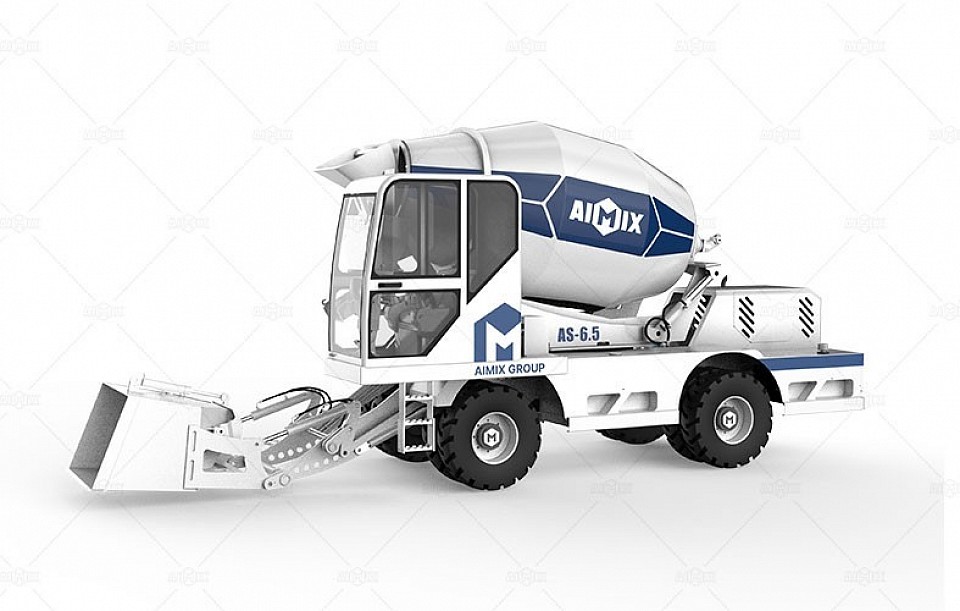
Navigating Supplier Options: How Customer Reviews Can Guide Your Self-Loading Mixer Purchase in Ethiopia
The procurement of a self-loading concrete mixer in Ethiopia represents a significant capital investment, one that carries profound implications for the productivity and profitability of a construction enterprise. The market presents a complex array of supplier options, each with compelling claims regarding performance, durability, and cost-effectiveness. Navigating this landscape requires more than a comparative analysis of technical specifications; it demands a forensic examination of real-world performance data. In an environment where operational conditions are demanding and logistical support networks can be strained, the collective experiences of previous buyers, as documented in customer reviews, become an indispensable resource. These self loading concrete mixer testimonials form a critical body of evidence, offering unvarnished insights that can guide a prospective buyer away from potential pitfalls and toward a supplier capable of delivering sustainable value.
The Ethiopian Terrain: A Crucible for Machinery
The operational environment in Ethiopia serves as a rigorous proving ground for heavy machinery. The combination of abrasive dust, variable fuel quality, and rugged topography places exceptional demands on a self-loading mixer's design and construction. When analyzing reviews, the astute buyer must focus on commentary that speaks directly to this context. Feedback concerning the machine's performance in high-altitude areas, its resilience to particulate contamination in its hydraulic systems, and its fuel efficiency under load are of paramount importance. Beyond the machine itself, reviews provide a crucial window into the supplier's logistical capabilities. Comments regarding the timeliness of spare parts delivery, the proficiency of local technicians, and the supplier's willingness to provide ongoing technical support are not ancillary concerns; they are central to the machine's long-term viability. A concrete mixer in Ethiopia that performs admirably in a controlled demonstration may prove to be a liability if the support infrastructure for its upkeep is absent or unreliable.
The Unvarnished Truth: Interpreting the Language of Reviews
Customer reviews are a rich qualitative dataset, but their value lies in a systematic and discerning interpretation. The objective is to identify consistent patterns rather than to be swayed by isolated anecdotes. Look for recurrent themes pertaining to specific components. For instance, numerous mentions of robust hydraulic systems or durable mixing blades from different users across various projects signal a design strength. Conversely, repeated complaints about electrical faults or premature wear on a particular part reveal a systemic vulnerability. The narrative surrounding the supplier's post-purchase conduct is equally telling. Feedback that describes a prompt and effective resolution to a mechanical failure is often more valuable than uniformly positive reviews that lack detail. This demonstrates a supplier's commitment to upholding their operational guarantees. Furthermore, seek out reviews from users who have owned the equipment for an extended period. Their insights into the machine's performance consistency, maintenance costs after the first thousand hours of operation, and its overall resilience provide a perspective on long-term value that cannot be gleaned from initial impressions alone.
From Data to Decision: A Structured Approach to Supplier Selection
Armed with insights from a comprehensive review analysis, the procurement process must transition into a phase of active verification and direct engagement. The patterns identified online should be corroborated through direct contact with industry references, if possible. A shortlist of potential suppliers should be subjected to a rigorous technical dialogue. Pose specific, scenario-based questions regarding parts availability, service level agreements, and the availability of training for local operators. This interaction serves a dual purpose: it secures necessary information and assesses the supplier's professionalism and technical acumen. The final decision must be framed by a holistic evaluation of the total cost of ownership. This calculation integrates the initial purchase price with projected costs for maintenance, spare parts, potential downtime, and fuel consumption. A supplier whose concrete mixer machines are documented in reviews as being reliable and supported by a responsive service network may justify a higher initial investment by virtue of offering lower operational costs and greater project certainty over the equipment's lifespan. This disciplined, evidence-based approach transforms the act of purchase from a transactional gamble into a strategic investment in operational capacity.