
Concrete Production Solutions
Mobile Concrete Plant Price in Nigeria for Housing Development: Planning the Budget
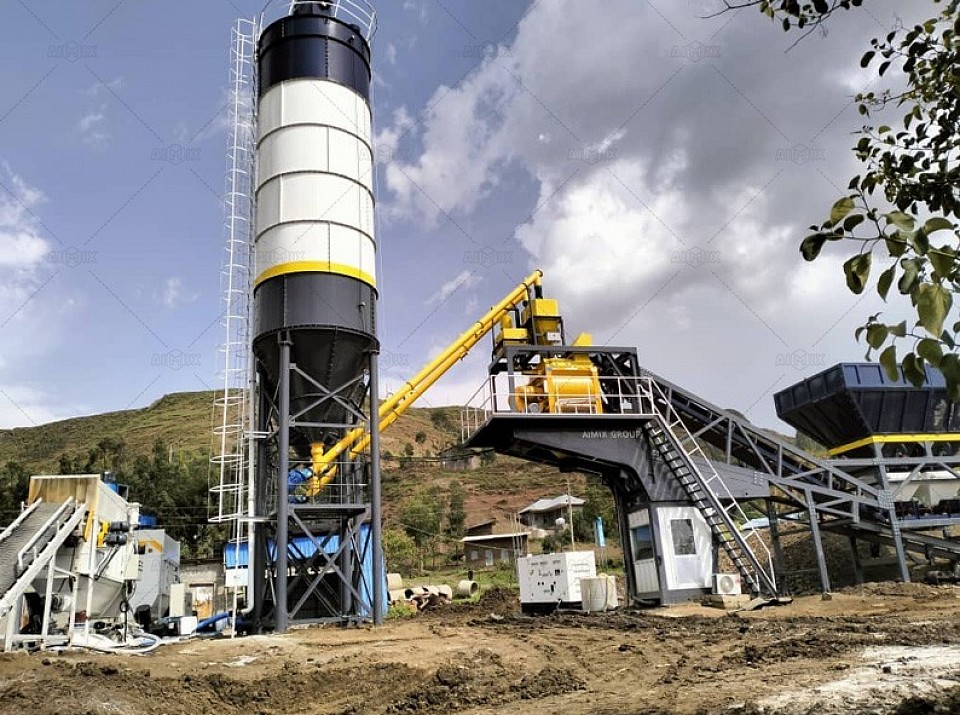
The fiscal orchestration of a housing development project in Nigeria requires a granular assessment of capital equipment, where the mobile concrete plant for sale stands as a pivotal investment for logistical autonomy. Unlike stationary configurations that demand extensive civil works, these maneuverable units offer a synergistic blend of portability and precision, effectively circumventing the erratic nature of third-party ready-mix supply chains. However, establishing an accurate budget in the Nigerian construction sector involves navigating a landscape of fluctuating exchange rates, multifaceted importation levies, and varying technological tiers. A strategic procurement plan must reconcile the immediate acquisition price with the long-term operational expenditure to ensure the project’s solvency.
Deciphering Initial Capital Expenditure and Importation Variables
The primary component of a mobile concrete plant budget is the sticker price, which is dictated largely by the volumetric throughput and the sophistication of the onboard automation. For medium-scale housing developments, plants with a capacity of 25 to 60 cubic meters per hour are typically sufficient. In the current market, procurement costs for such units generally oscillate between $35,000 and $150,000, depending on whether one opts for a basic dry batch system or a sophisticated wet batch configuration equipped with twin-shaft mixers. When converted to Nigerian Naira, these figures are subject to significant volatility, making it imperative for developers to include a "contingency buffer" to absorb currency devaluations during the procurement lead time.
Beyond the baseline equipment cost, the budget must account for the rigorous logistical journey to Nigerian ports. Shipping a mobile batching plant via Roll-on/Roll-off (RoRo) or containerized methods from major manufacturing hubs in Asia or Europe can incur charges ranging from $8,000 to $18,000. Upon arrival at Lagos (Apapa or Tin Can Island) or Port Harcourt, the developer must navigate the Customs and Excise landscape. This includes the 7% import duty, the 1% CISS inspection fee, and the 7.5% Value Added Tax (VAT) calculated on the CIF (Cost, Insurance, and Freight) value. Failing to incorporate these statutory obligations often leads to port demurrage, which can erode project capital at an alarming rate.
Assessing Site Preparation and Peripheral Infrastructure
While the nomenclature "mobile" suggests a "plug-and-play" utility, the reality of Nigerian construction topographies demands specific site preparation to ensure kinematic stability. Although these portable concrete plants do not require deep-piled foundations, a reinforced concrete pad or a stabilized aggregate base is essential to prevent hydraulic misalignment or chassis subsidence under load. Budgeting for these civil works is a localized expense that varies based on the soil bearing capacity of the development site. Furthermore, the provision of a consistent power source—typically a 60kVA to 125kVA industrial diesel generator—is a non-negotiable line item, given the prevailing instability of the national grid.
An often-overlooked budgetary segment is the peripheral equipment necessary to feed the plant. To maintain a continuous batching cycle, the acquisition of a wheel loader for aggregate management is essential. Developers must decide between a "foreign-used" loader, which may cost between ₦30 million and ₦80 million, or a brand-new unit that commands a significant premium. Additionally, the storage of bulk cement requires the integration of silos; vertical bolt-type silos or horizontal low-profile silos must be accounted for in the initial setup. Ensuring that the aggregate bins, water storage tanks, and additive dispensers are properly synchronized with the plant’s control interface is vital for the production of concrete that meets structural integrity benchmarks.
Long-term Operational Integrity and Maintenance Reserves
A robust budget transcends the initial deployment phase and addresses the "total cost of ownership" over the project’s lifecycle. The tribological wear inherent in concrete production—where abrasive sands and gravels constantly erode mixer blades and liners—necessitates a dedicated maintenance fund. Industry standards suggest setting aside 5% to 10% of the equipment’s initial value annually for preventative maintenance and the stockpiling of critical spare parts. In the Nigerian context, sourcing high-quality load cells, pneumatic valves, and proximity sensors can be time-consuming, so having an on-site inventory of these components is a strategic hedge against downtime.
The human-machine interface also represents a significant operational cost. Skilled operators and batching technicians require competitive remuneration to ensure the calibrative accuracy of the concrete mixes. Furthermore, the fluctuating price of automotive gas oil (AGO) for the generators and loaders can swing the "per cubic meter" production cost by as much as 20% in a single quarter. By meticulously planning for these variables, developers can move beyond simple price inquiries and establish a comprehensive fiscal framework. This foresight ensures that the small concrete batch plant remains a reliable engine of progress, delivering high-quality housing units while maintaining a healthy bottom line in a challenging economic environment.
This article provides a comprehensive guide to budgeting for a mobile concrete plant within the Nigerian construction industry, ensuring that all logistical, statutory, and operational costs are accounted for.
How to Get Accurate Mobile Batch Plant Quotes in Nigeria (Manufacturer Tips)
Securing a precise quote for a mobile batch plant in Nigeria can feel like navigating a labyrinth of variables, from fluctuating material costs to logistical intricacies. Yet, with the right approach, the process becomes far less opaque and significantly more efficient. A well-informed buyer does not merely request a concrete batching plant price—they orchestrate a detailed inquiry that empowers manufacturers to respond with clarity and accuracy. This article explores how to obtain dependable quotes by refining communication, understanding specifications, and leveraging insider manufacturer insights.
1. Define Technical Requirements Clearly
The cornerstone of any accurate mobile batch plant quotation lies in a lucid articulation of capacity requirements. Whether the project demands a modest output or a high-capacity system capable of sustained production, clarity is indispensable. Manufacturers rely on these specifications to calibrate equipment configurations, select appropriate mixing technologies, and estimate costs with precision. Ambiguity here breeds approximation, and approximation often leads to budgetary surprises. It is prudent to define hourly production targets, expected workload cycles, and material consistency requirements. The more granular the detail, the sharper the quote.
Nigeria’s diverse terrain introduces a fascinating layer of complexity. From urban construction zones to remote, rugged environments, each site imposes unique demands. A mobile batch plant for sale intended for frequent relocation must embody durability and ease of transport, while a semi-static setup might prioritize stability and capacity. Providing manufacturers with information about terrain, accessibility, and infrastructure ensures they recommend suitable designs. This foresight not only refines pricing accuracy but also safeguards operational efficiency once the plant is deployed.
2. Provide Detailed Project Information
Geography exerts a subtle yet significant influence on pricing. Transport costs, import duties, and regional accessibility can all alter the final quote. Nigeria’s logistical landscape varies widely, and manufacturers must factor in delivery routes, port proximity, and potential bottlenecks. Supplying precise location details—down to the nearest city or construction hub—enables suppliers to calculate shipping and installation expenses with confidence. This transparency eliminates guesswork and prevents inflated contingency margins from creeping into the quote.
Time, as ever, is money. A compressed project timeline may necessitate expedited manufacturing, priority shipping, or additional workforce allocation—all of which influence cost. Conversely, a flexible schedule allows manufacturers to optimize production planning and potentially offer more competitive pricing. Outlining the project’s duration, daily operating hours, and expected lifespan of the plant provides valuable context. It transforms a generic request into a tailored inquiry, inviting a correspondingly precise response.
3. Communicate with the Right Manufacturers
Not all manufacturers are created equal. Selecting a reputable supplier is paramount to obtaining an accurate and trustworthy quote. Established concrete batching plant manufacturers with a robust portfolio and verifiable track record are more likely to provide realistic pricing grounded in experience. Scrutinizing certifications, client testimonials, and past projects offers insight into their reliability. A credible supplier does not merely sell equipment—they offer consultative guidance, ensuring that the quoted solution aligns seamlessly with project requirements.
A comprehensive quote should resemble a well-illuminated ledger rather than an inscrutable figure. Requesting a detailed cost breakdown—covering equipment, transportation, installation, and ancillary services—reveals the anatomy of the price. This transparency empowers buyers to identify cost drivers, compare competing offers, and negotiate intelligently. It also fosters trust, as manufacturers who willingly disclose pricing components demonstrate confidence in their value proposition. Ultimately, clarity in communication begets clarity in cost.
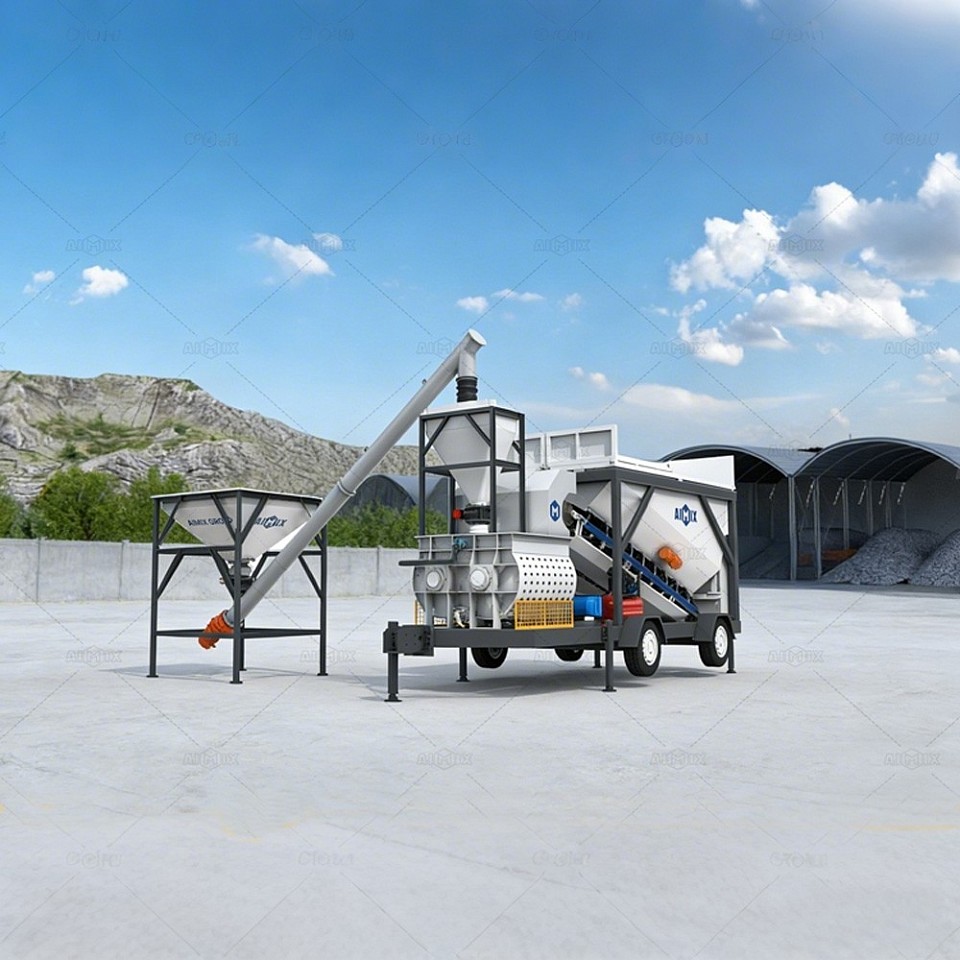
From China to Malaysia Faster: Mobile Batching Plant Procurement Tips
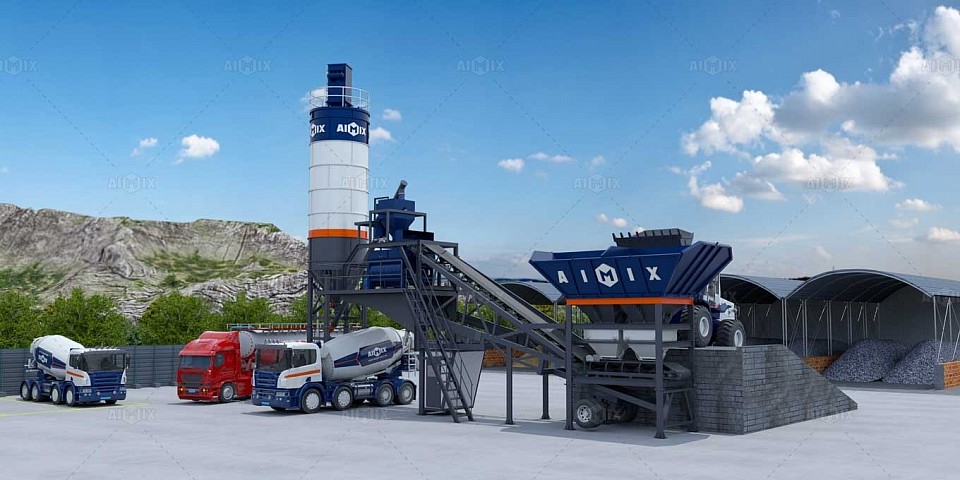
The procurement of a mobile batching plant from China to Malaysia involves a complex interplay of logistics, documentation, and supplier coordination. Delays are common. They are also avoidable. The argument advanced in this article is that most procurement delays stem not from unforeseeable events but from predictable failures in planning and communication. A contractor who understands the specific bottlenecks—port clearance, customs classification, and last-mile transport—can structure the procurement process to minimise idle time. This article presents four categories of actionable tips, each addressing a distinct phase of the procurement journey. The objective is to reduce the typical 90‑ to 120‑day lead time to 60 to 75 days, accelerating project commencement and improving capital efficiency.
Supplier Selection and Contract Clarity
Verify Export Experience to Malaysia
The first determinant of speed is supplier competence. A manufacturer who has previously exported mobile batching plants to Malaysia will have established relationships with freight forwarders, familiarity with Malaysian customs procedures, and a template for compliant documentation. A supplier without this experience will learn at your expense. The buyer should request evidence of past Malaysian exports: bills of lading, customs clearance records, or references from Malaysian customers. AIMIX and other major Chinese manufacturers with regional distribution in Southeast Asia typically maintain such records. The absence of this evidence is a warning sign. The buyer who ignores it assumes risk that could have been avoided.
Specify Incoterms and Delivery Deadlines
Ambiguity in contract terms is the enemy of schedule certainty. The buyer must specify Incoterms clearly. CIF (Cost, Insurance, Freight) to Port Klang or Penang is the preferred term for most Malaysian buyers. Under CIF, the supplier arranges ocean freight and basic insurance. The buyer assumes responsibility from the port inward. The contract must also include delivery deadlines with associated penalties for delay. A standard term is 45 days from receipt of deposit to vessel departure. The penalty might be 0.5% of the contract value per week of delay, capped at 5%. Suppliers who agree to such terms are confident in their production and logistics capabilities. Suppliers who resist may be concealing capacity constraints. The argumentative buyer insists on clarity. Clarity compels performance.
Documentation and Customs Preparation
Pre‑Shipment Documentation Checklist
Incomplete or inaccurate documentation is the leading cause of port delays. The buyer should provide the supplier with a checklist well before the shipment date. Required documents typically include: commercial invoice, packing list, bill of lading, certificate of origin (for ASEAN‑China Free Trade Area tariff preferences), and import permit (if required by Malaysian authorities). The certificate of origin is particularly consequential. Without it, the buyer pays full import duty instead of the preferential rate under the ASEAN‑China Free Trade Agreement. The difference can be 10 to 20 percent of the customs value. The buyer must ensure that the supplier engages a licensed certifying body to issue the certificate. Counterfeit certificates are common. The buyer should verify the certificate number with the issuing authority before the vessel arrives.
Harmonised System Code Classification
The correct HS code determines duty rate and regulatory requirements. Mobile batching plant for sale is typically classified under HS code 8474.31. Subclassifications exist for different plant types. The buyer should confirm the code with a licensed Malaysian customs broker before the supplier finalises the commercial invoice. An incorrect code can lead to duty overpayment or cargo hold for verification. The verification process can add two to four weeks to clearance time. The argumentative buyer does not delegate this responsibility to the supplier. The supplier is not liable for Malaysian customs decisions. The buyer is. Own the classification. Verify it independently.
Logistics and Transport Optimisation
Container Loading and Consolidation Strategy
A mobile batching plant rarely fits in a single container. The typical concrete batching plant in Malaysia requires one 40‑foot high cube container for the main components, plus an additional 20‑foot container for the silo and accessories. The buyer should discuss container packing with the supplier. A poorly packed container wastes space, increases the number of containers required, and raises freight costs. The supplier should provide a container loading plan. The plan shows the placement of each component. It enables the buyer to verify the packing upon arrival. Discrepancies between the plan and the actual packing indicate careless handling. The buyer should also consider consolidating multiple plants or combining the plant with other equipment in a single shipment. Consolidation reduces per‑unit freight costs. It also simplifies customs clearance, as a single entry covers all items.
Port Selection and Inland Transport
Malaysia has several international ports. Port Klang handles the majority of cargo destined for the Klang Valley and west coast. Penang Port serves the northern region. Pasir Gudang serves Johor and the south. The buyer should select the port closest to the final site. Inland transport costs increase with distance. A plant delivered to Port Klang but destined for Penang will incur significant trucking charges. The buyer should also pre‑arrange inland transport. Waiting until the vessel arrives to book a truck introduces delay. The preferred practice is to engage a logistics provider who offers door‑to‑door service. The provider handles port clearance, duty payment, and inland transport under a single commercial arrangement. The cost is higher than managing each element separately. The value is speed and reduced administrative burden. The argumentative buyer prioritises speed over marginal cost savings when the project schedule is tight.
Site Preparation and Installation Readiness
Pre‑Delivery Site Requirements
The fastest shipment is useless if the site is unprepared. The buyer must complete site preparation before the vessel arrives. Requirements include: a level, compacted foundation capable of supporting the plant weight; electrical supply matching the ready mix concrete plant specifications (voltage, phase, frequency); water supply with adequate flow and pressure; and access for the delivery truck and unloading crane. The buyer should send photographs of the prepared site to the supplier. The supplier can then verify that the site meets specifications. Discrepancies identified after arrival cause delays. The argumentative buyer does not assume. They verify.
Installation Support and Commissioning
The final phase is installation and commissioning. Some suppliers include installation in the purchase price. Others offer it as an optional service. The buyer should decide before shipment. A supplier who provides installation brings familiarity with the equipment. They will have the correct tools, the correct lubricants, and the correct calibration procedures. A local contractor can install the plant but may lack specific knowledge. The buyer who opts for local installation should request detailed installation drawings and a commissioning checklist from the supplier. The checklist should be followed precisely. Deviations invite problems. The argumentative buyer recognises that installation is not a separate activity. It is the final step in procurement. Treat it with the same rigour as supplier selection and logistics planning. The plant that is installed correctly will operate correctly. The plant that is installed hastily will operate problematically. Speed matters. Precision matters more.
Batching Plant ROI Isn’t Linear—Here’s How Big-Capacity Systems Change the Math
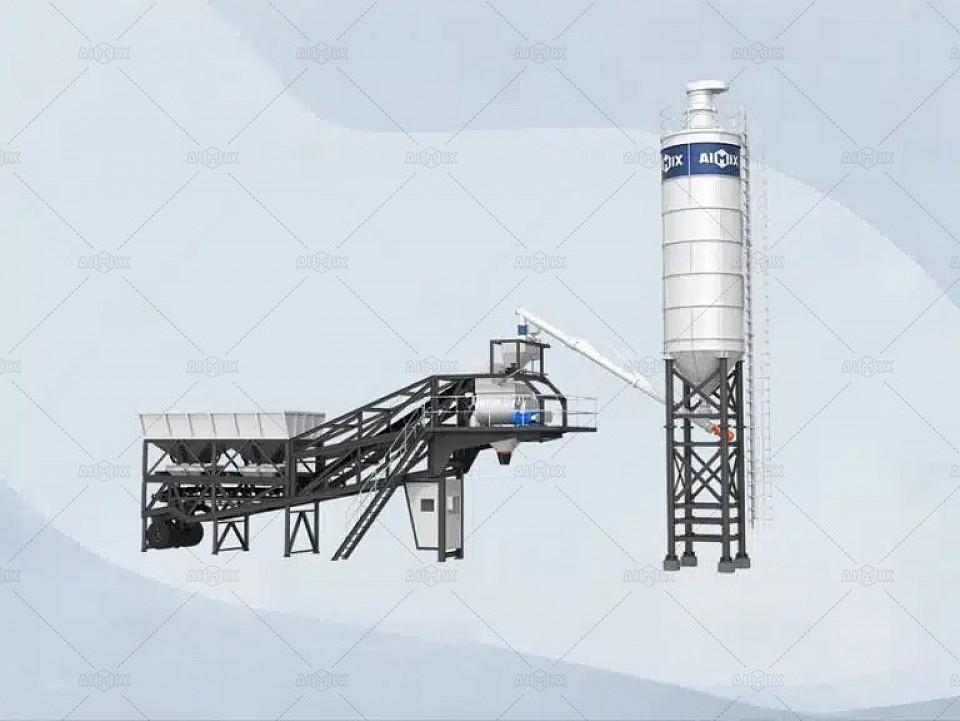
Most buyers approach a batching plant investment with a simple mental model. They assume a plant that costs twice as much should produce twice as much concrete. They assume the return on investment follows a straight line. This assumption is wrong. It is not just slightly wrong. It is fundamentally, dangerously wrong. The relationship between plant capacity and financial return is nonlinear. A larger plant does not just produce more concrete per hour. It changes the entire structure of operating costs, labour requirements, and project eligibility. This article argues that the conventional wisdom—buy the smallest plant that meets your peak demand—misses the strategic advantage of big-capacity systems. We will examine how the concrete batching plant price scales with capacity, how operating costs per cubic meter decline as size increases, and how access to larger contracts transforms the investment case. The conclusion is counterintuitive. For many contractors, the most expensive plant is actually the most profitable.
The Nonlinear Scaling of Concrete Batching Plant Price
Let us start with the concrete batching plant price curve. A 30 cubic meter per hour plant might cost $80,000. A 60 cubic meter per hour plant—double the capacity—does not cost $160,000. It costs perhaps $120,000. That is only 50% more for 100% more capacity. Why? Because many components scale inefficiently. The control system costs the same regardless of capacity. The cement silo is similar. The aggregate bins are larger but not twice as expensive. The mixer is the main cost driver, and even it scales with something less than linearity. This nonlinear pricing creates an opportunity. Paying 50% more for the concrete batching plant price delivers 100% more production capacity. The return on that incremental investment is extremely high. A contractor who needs 40 cubic meters per hour should not buy a 40 cubic meter plant. They should buy a 60 cubic meter plant. The additional capacity costs relatively little and provides a buffer for peak demand. The batching plant cost per unit of capacity declines as size increases. This is the first break in linear thinking.
The opposite is also true. Small plants have disproportionately high costs per cubic meter. A 15 cubic meter per hour plant might cost $45,000. That is $3,000 per cubic meter of capacity. A 60 cubic meter plant at $120,000 is $2,000 per cubic meter. The small plant is 50% more expensive per unit of capacity. Yet many contractors buy small plants because the absolute dollar amount is lower. They are saving money on the concrete batching plant price. They are losing money on the batching plant cost per ton of concrete produced. The small plant will also require more labour per cubic meter. It will have less redundancy. It will break down more frequently relative to its output. The small plant is not cheaper. It is just smaller. The buyer who understands nonlinear pricing buys the largest plant they can reasonably deploy. The upfront concrete batching plant price is higher. The long-term batching plant cost is lower.
Operating Costs: Where Big Plants Crush Small Ones
A 30 cubic meter per hour plant requires one operator. A 60 cubic meter per hour plant also requires one operator. The labour cost per cubic meter is halved. This is not a small saving. In markets where operator wages are $30,000 per year, the 60 cubic meter plant saves $15,000 annually in labour costs compared to running two 30 cubic meter plants. Even compared to a single 30 cubic meter plant, the larger plant produces twice the output for the same labour cost. Over five years, that labour saving alone can exceed $75,000. That is often enough to close the gap in concrete batching plant price between the 30 and 60 cubic meter models. The larger plant pays for its price premium through labour efficiency alone. The same logic applies to loader operators, maintenance mechanics, and site supervisors. Big plants spread fixed labour costs over more cubic meters. The batching plant cost per ton declines steadily as capacity increases, up to the point where a second shift or second operator becomes necessary.
Energy is another nonlinear cost. A 60 cubic meter per hour plant does not consume twice the electricity of a 30 cubic meter plant. It consumes perhaps 60% more. The larger mixer is more efficient. The larger motors have better power factors. The conveyor systems are optimised for continuous operation rather than stop-start cycling. The result is lower energy cost per cubic meter. At typical electricity rates, a 60 cubic meter plant might save $5,000 to $10,000 annually in energy costs compared to running two smaller plants. Over a decade, that is real money. The contractor who focuses only on the concrete batching plant price misses these operating cost advantages. They see the higher upfront number. They do not see the lower lifetime batching plant cost. The larger plant is not just more productive. It is more efficient. The math changes dramatically when you extend the time horizon beyond the first year.
Strategic Advantages: Accessing Bigger Contracts
The most important nonlinearity is strategic. A small plant limits the contracts you can bid on. A 30 cubic meter per hour plant cannot supply a 5,000 cubic meter foundation pour that requires 60 cubic meters per hour. The contractor with a 60 cubic meter plant can bid on that project. The contractor with the 30 cubic meter plant cannot. This is not a marginal difference. It is a categorical difference. The larger ready mix concrete plant opens an entirely new tier of projects. Higher volume. Higher margins. Longer durations. The concrete batching plant price for the larger machine is higher. But the revenue potential is disproportionately higher. A contractor who upgrades from 30 to 60 cubic meters per hour may double their addressable market. The return on the incremental investment is extraordinary. This is why successful contractors buy big plants before they strictly need them. They are not paying for current volume. They are paying for future opportunities. The batching plant cost is an investment in market position.
The final advantage of big-capacity systems is redundancy. A 60 cubic meter per hour plant operating at 50% capacity can lose a mixer drive or a conveyor and still produce 30 cubic meters per hour. Production continues. The schedule is protected. A 30 cubic meter per hour plant operating at 100% capacity has no buffer. Any failure stops production entirely. The cost of an unexpected stoppage—idle labour, delayed pours, liquidated damages—can exceed the difference in concrete batching plant price within days. The larger plant is not just more productive. It is more resilient. The buyer who understands this values the insurance that big capacity provides. The batching plant cost includes this risk reduction. It is not visible on the invoice. It is visible on the profit and loss statement at the end of the year. Contractors who buy big capacity sleep better at night. That peace of mind has value. It is the final reason why batching plant ROI is not linear. It is exponential for those who understand the math.
High Volume, Low Hassle: Why Stationary Ready Mix Batching Plants Win in Saudi Arabia
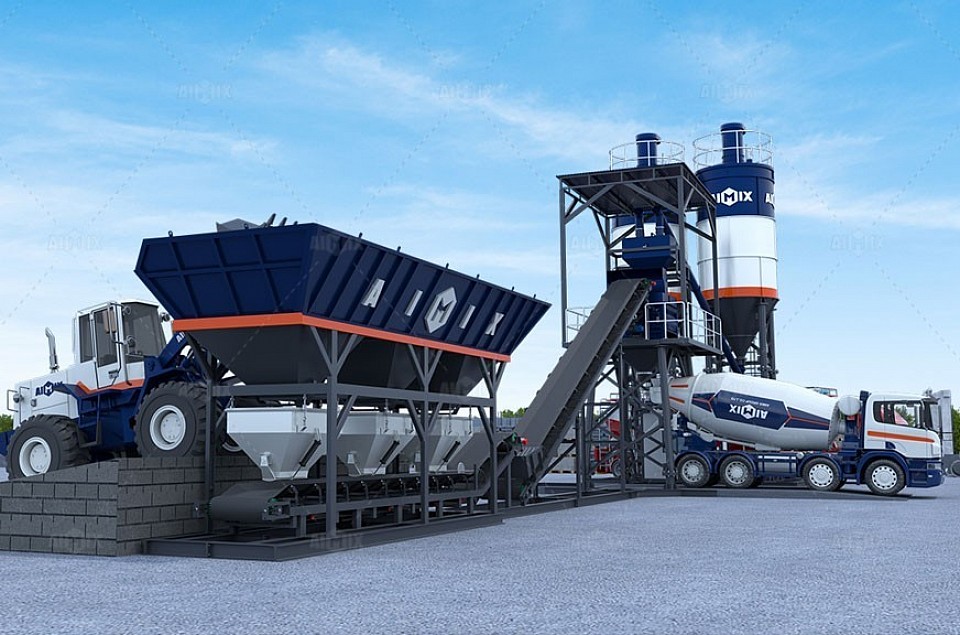
In the sprawling desert landscape of Saudi Arabia, where megaprojects rise from the sand with astonishing velocity, the demand for concrete is nothing short of insatiable. From the linear city of NEOM to the Red Sea tourism developments, construction timelines are compressed, and material specifications are rigorous. In this environment, the choice between mobile and stationary batching plants becomes a critical logistical and economic decision. While mobile plants offer flexibility, the Kingdom's unique operational conditions and project scale increasingly favor stationary ready mix batching plants. These installations, engineered for permanence and high throughput, deliver a combination of volume, consistency, and economic efficiency that mobile solutions simply cannot match. They represent the infrastructural backbone required to sustain the nation's ambitious construction agenda, transforming raw materials into building components with relentless, industrial precision.
Uninterrupted Production Capacity and Throughput
The primary differentiator between mobile and stationary plants lies in their respective production capacities. Stationary concrete ready mix plants are designed from the ground up for high-volume, continuous operation. They are not constrained by the size limitations imposed by road transportability, which inherently restricts the output of mobile units. A typical stationary installation in Saudi Arabia can be engineered with twin-shaft mixers and aggregate bins of immense volume, achieving production rates exceeding 100 cubic meters per hour with unwavering consistency. This volumetric superiority is not merely about peak output; it is about sustained throughput over extended shifts. In the extreme ambient temperatures of the Kingdom, where concrete setting times are accelerated, the ability to deliver a continuous, homogeneous supply is paramount to preventing cold joints in large pours. The robust construction of stationary plants also facilitates the incorporation of advanced cooling systems, such as flake ice generators and chilled water lines, which are essential for maintaining concrete workability and integrity in desert climates. This integration of high capacity with climate-specific engineering ensures that project timelines are met without compromising the material's physicochemical properties.
Optimized Logistics and Material Autonomy
Saudi Arabia's vast geography and developing infrastructure network present unique logistical challenges for concrete delivery. Stationary plants offer a strategic advantage through their capacity for material autonomy and optimized supply chain integration. Unlike mobile setups that often rely on just-in-time delivery of cement and aggregates, a stationary plant can be equipped with substantial silo storage for cementitious materials and sprawling aggregate stockyards. This buffer inventory insulates operations from supply chain disruptions, which can be frequent due to sandstorms or logistical bottlenecks at ports. Furthermore, the strategic placement of stationary plants near major project hubs or aggregate quarries dramatically reduces the haul distance for raw materials and the finished product. This proximity mitigates the risk of concrete truck mixer rotation delays, ensuring that the mix arrives within its workability window. The fixed nature of the plant also allows for the installation of sophisticated control systems that manage fleet dispatch and batch tracking with granular precision, optimizing the entire value chain from raw material extraction to placement at the point of consolidation.
Superior Quality Control and Mix Consistency
The authoritative argument for stationary batching plants in Saudi Arabia hinges on the imperative of uncompromising quality control. In a landscape dominated by high-profile projects with 100-year design lives, the traceability and consistency of concrete are non-negotiable. Stationary plants provide a controlled environment that is difficult to replicate with mobile counterparts. They house permanent, calibrated laboratory facilities where raw materials are continuously tested for gradation, deleterious substances, and specific gravity. The mixing process itself benefits from the stability of the installation; stationary twin-shaft mixers, firmly anchored to concrete foundations, exert greater shear forces on the mix, resulting in superior homogeneity and aggregate coating. This mechanical advantage ensures that even high-strength concrete mixes, exceeding 80 MPa, achieve their design compressive strength with minimal variance. Moreover, the fixed configuration simplifies the implementation of stringent quality management systems, allowing for detailed digital records of each batch. This level of control ensures compliance with the stringent American Society for Testing and Materials (ASTM) and British Standards (BS) specifications mandated by Saudi Aramco and the Kingdom's major developers, providing incontrovertible proof of performance and structural integrity.
From Budget to Buy: How to Affordably Acquire a Small Concrete Batching Plant in Nigeria
The dream of owning a small concrete batching plant in Nigeria is an incredibly exciting one! It represents a huge leap forward—moving from being a contractor to becoming a producer, controlling your supply chain, and building a more resilient, profitable business. But let's be real, the price tag can feel like a towering hurdle. The fantastic news is that with smart strategy and a clear roadmap, that hurdle is completely surmountable. Acquiring your small concrete batching plant affordably isn't about finding a magical, suspiciously cheap machine; it's about making savvy decisions on sourcing, financing, and configuration that align perfectly with your current needs and growth trajectory. This guide will walk you through the practical, actionable steps to transform your ambition from a budget line item into a humming, productive reality on your site.
Strategic Sourcing: Unlocking Cost-Effective Procurement Paths
Your first mission is to explore all avenues for acquisition. While a brand-new, top-of-the-line concrete batching plant for sale in Nigeria might be the ultimate goal, your most affordable entry point could be a different path. Don't overlook the potential of quality certified pre-owned equipment from reputable dealers or directly from contractors upgrading their fleet. This can offer massive savings, but due diligence is non-negotiable—demand maintenance records and consider an independent inspection.
Simultaneously, engage directly with manufacturers. Many, especially those with a focus on markets like Nigeria, offer competitive pricing on entry-level models designed for durability and ease of use. Building a relationship with a manufacturer or their authorized local dealer is golden. They can provide invaluable guidance on the right model for your output goals and often have the most transparent pricing and support packages. Attend industry expos, even virtually, to compare options and make connections directly with source factories.
Financial Engineering: Creative Funding Beyond Cash Purchase
Only a tiny fraction of businesses pay cash for heavy equipment, and you shouldn't feel pressured to either! This is where financial creativity unlocks the door. Dive into the world of equipment financing. Nigerian banks and specialized financial institutions offer loans specifically for machinery purchase, using the plant itself as collateral. Even better, explore lease-to-own agreements through dealers or manufacturers. These plans often require a lower initial outlay, preserve your working capital, and include maintenance, making your monthly costs predictable and manageable.
Furthermore, investigate potential support mechanisms. Are there any government or developmental bank grants, subsidies, or low-interest loan programs aimed at boosting industrialization, manufacturing, or construction sector growth? Industry associations sometimes have information on partner financing programs. Don't just think of the purchase price; think of structuring the payment in a way that aligns with the cash flow your new plant will generate.
Phased Implementation: The Smart Start with Modular Design
One of the smartest ways to afford your plant is to not buy more than you absolutely need to start. Look for suppliers that offer modular, scalable plant designs. Instead of purchasing a massive 60m³/hr portable concrete plant for sale on day one, invest in a core 30m³/hr unit with a basic but reliable control system. You can later add extra cement silos, additional aggregate bins, or a more advanced automated control panel as your business grows and revenue increases.
This philosophy extends to features. Prioritize reliability and essential automation (like a simple computerized batching system for accuracy) over "nice-to-have" extras in the initial phase. A robust, simpler plant that runs every day is infinitely more valuable than a fancy, feature-laden machine that strains your budget and is overcomplicated for your initial needs. This phased approach dramatically lowers your entry cost and reduces financial risk.
Maximizing Value: Due Diligence and Total Cost of Ownership
Finally, affordability is about the total cost, not just the invoice. Conduct extreme due diligence on any supplier. If possible, visit their facility or a local installation. Check references relentlessly. A slightly cheaper plant from an unknown source that breaks down constantly and has no local technical support will become the most expensive asset you own.
Before signing, build a Total Cost of Ownership (TCO) model. Factor in everything:
Purchase Price/Financing Costs
Shipping and Installation (foundation, electrical hookup)
Cost of initial spare parts kit
Estimated monthly costs for power, fuel, routine maintenance
Availability and cost of local technician support
A plant with a slightly higher sticker price but backed by a local dealer with spare parts and trained mechanics, and one that is energy-efficient, will have a far lower TCO over 5 years. You're not just buying a machine; you're investing in an operational partner. By sourcing smartly, financing creatively, starting with a scalable core, and calculating true long-term costs, you can absolutely afford to launch your concrete production journey and build a stronger business foundation, literally and figuratively
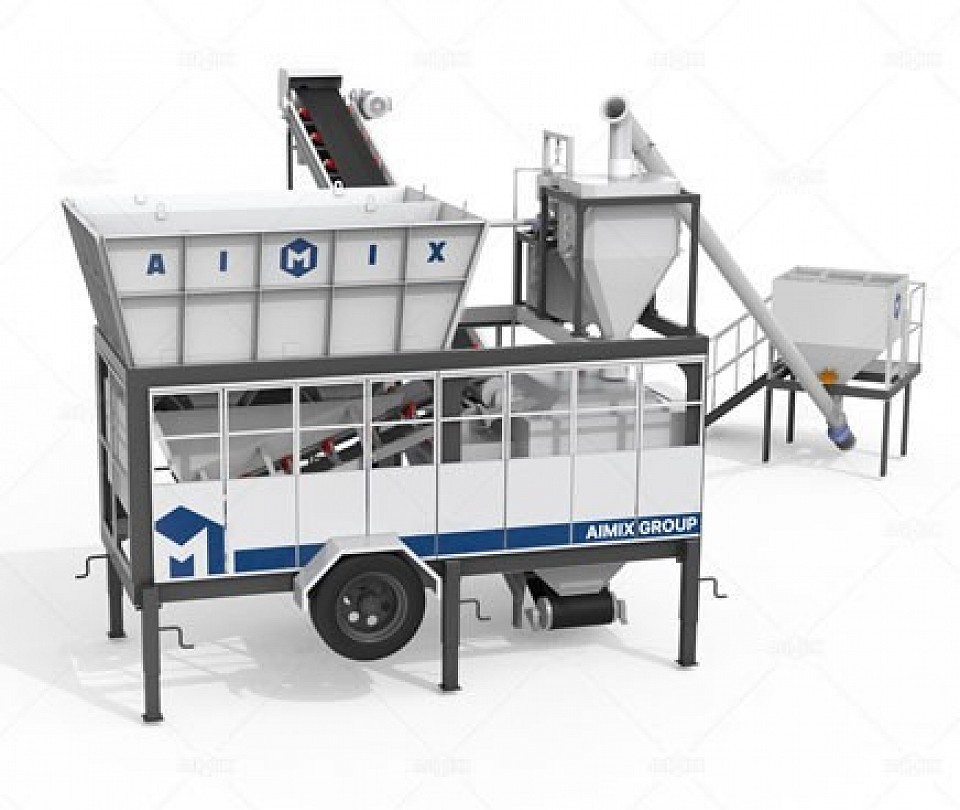
The Mainstream Appeal of Wet Mix Plants: A Comprehensive Guide for Builders
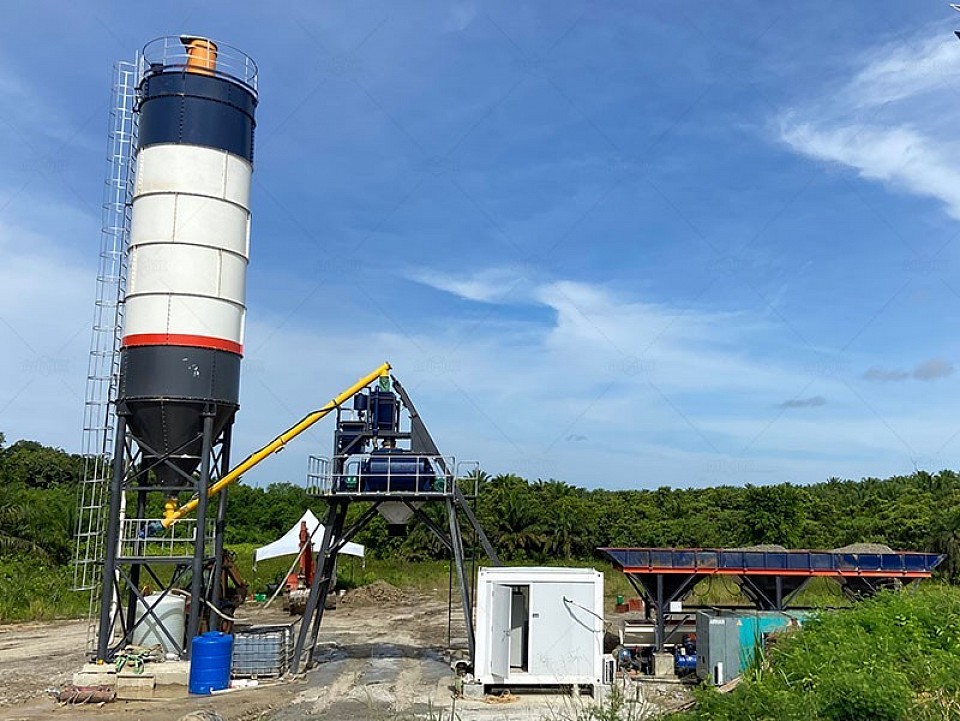
The selection of concrete production methodology is a pivotal decision that influences project timeline, budget, and final structural quality. While traditional dry batch plants remain common, wet mix technology has steadily moved from a specialized application to a mainstream solution for a broad spectrum of construction projects. A wet mix concrete plant operates on a fundamentally different principle: it combines all concrete ingredients—including water—into a homogeneous slurry within a central mixer before transferring this mixed product to a transport vehicle. This guide examines the substantive reasons behind its widening appeal, moving beyond basic description to analyze the operational, qualitative, and economic drivers that make it a compelling choice for builders focused on efficiency, consistency, and scale.
Operational Definition: How Wet Mix Technology Diverges from Conventional Batching
Understanding wet mix appeal requires a clear grasp of its process mechanics. In a standard dry batch plant, aggregate, cement, and water are loaded sequentially into the drum of a transit mixer. The mixing action occurs primarily during transit to the job site, a process susceptible to variables like truck speed and journey time. The wet mix plant eliminates this variability. All batching and mixing are completed under controlled conditions at a fixed plant location. The central mixer, typically a twin-shaft paddle mixer known for high-shear, intensive action, blends materials into a fully uniform slurry. This premixed concrete is then discharged into an agitator truck, which functions solely to maintain homogeneity during transport, not to complete the mixing process. This fundamental shift from transit mixing to plant mixing establishes a higher baseline for consistency and quality control from the very beginning of the material's journey.
Quantifying the Efficiency Gains: Output, Labor, and Site Logistics
The efficiency argument for wet mix plants is compelling and multi-faceted. Their design facilitates continuous, high-volume production. Because the mixing cycle is separate from the loading cycle, the plant can prepare one batch while discharging another, minimizing idle time. This often translates to a significantly higher output capacity per hour compared to a similarly sized dry batch facility. Labor requirements on-site are also streamlined. The batching process is highly automated, controlled from a central panel with precise digital oversight of every material input. This reduces the manpower needed for manual checks and adjustments, allowing skilled personnel to focus on quality assurance and maintenance rather than repetitive operational tasks. From a site logistics perspective, the use of agitator trucks instead of standard transit mixers can simplify placement. The consistent, ready-to-place nature of the mix reduces the need for on-site water addition and adjustment, accelerating the pace of pours and minimizing placement-related delays.
Material and Quality Advantages: Performance Characteristics of the End Product
The qualitative benefits of wet mix concrete are directly tied to its production method. The intensive, controlled mixing action in the central mix plant achieves a level of homogeneity difficult to replicate in a truck drum. This results in a more uniform distribution of cement paste throughout the aggregate matrix, which enhances overall compressive strength and durability. The process also drastically reduces the potential for material segregation. Since the concrete is fully formed before transport, the risk of aggregates settling out during shipping or discharge is minimized. This is particularly advantageous for mixes with higher slump or for placements involving pumping, where segregation can lead to blockages and structural weaknesses. Furthermore, the thorough coating of aggregates produces a mix with excellent workability and finishability, a critical factor for architectural concrete or any application where surface aesthetics are paramount.
Economic Viability: Analyzing Cost Structures and Project Suitability
The economic analysis of a wet mix plant is not a simple comparison of per-cubic-meter cost with dry batch. It requires a holistic view of total project economics. The initial capital outlay for a wet mix plant is typically higher due to the complexity of the central mixing system. However, this cost is amortized over the plant's lifespan and must be weighed against operational savings. These savings manifest in lower labor costs per unit of output, reduced wear and tear on transportation equipment (as agitator trucks experience less abrasive mixing action), and less material waste due to rejected loads from off-spec concrete. The economic justification becomes clear on projects with large, continuous concrete volumes. High-rise construction, major infrastructure projects like paving or dam construction, and large industrial facilities are ideal candidates. The volume threshold for viability varies, but projects requiring consistent placement of several hundred cubic meters per day over a sustained period will likely realize a positive return on the wet mix methodology.
Strategic Implementation: Integrating a Wet Mix Plant into a Project Workflow
Successfully leveraging a wet mix plant demands proactive planning and integration. The site layout must accommodate the plant itself, which requires a stable foundation, access for bulk cement and aggregate delivery, and space for water storage and slurry management. Crucially, the project schedule must be designed to leverage the ready mix plant's continuous output capability. This involves meticulous coordination between the production schedule, the fleet of agitator trucks, and the placement crews on-site. Pour sequences should be planned to maintain a steady demand that matches the plant's optimal production rhythm, avoiding stop-start scenarios that undermine efficiency. Effective communication systems between the plant dispatcher, truck drivers, and site foremen are essential to manage the flow of material and respond to any placement delays without compromising the quality of concrete in the agitators. When this integration is executed well, the wet mix plant transitions from a mere supply source to the pulsating heart of the project's construction rhythm, delivering predictable, high-quality material with a reliability that keeps complex projects on track. Its mainstream appeal is ultimately rooted in this capacity to bring industrial-grade process control and efficiency directly to the construction site.
From Vision to Reality: Starting a Commercial Concrete Business with a Ready Mix Plant
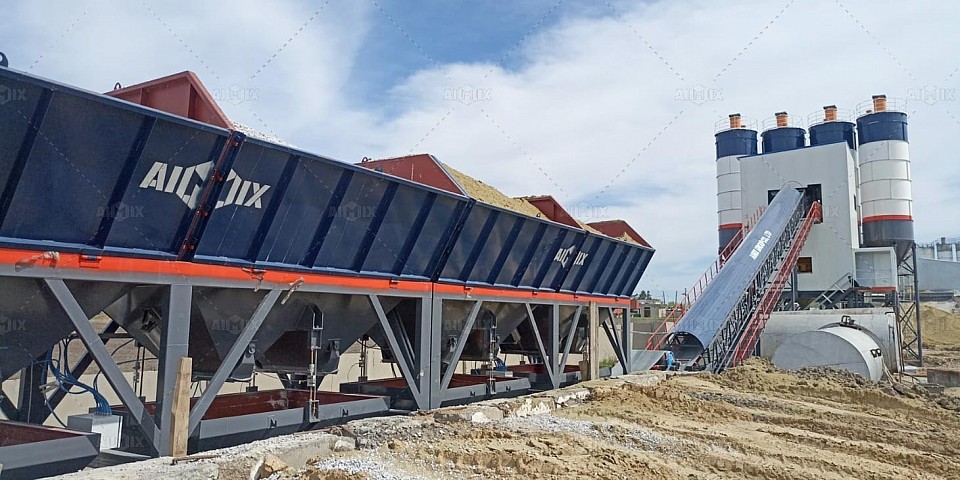
The ambition to transform a vision of industrial production into a thriving commercial concrete enterprise is a formidable undertaking. It requires a synthesis of market acuity, significant capital allocation, and meticulous operational discipline. A ready mix concrete plant is not merely a piece of machinery; it is the pulsating heart of a complex business ecosystem. Success hinges on transcending basic knowledge of concrete and entering the realm of strategic business architecture. This journey from concept to a fully operational entity demands a methodical progression through distinct phases: a rigorous pre-establishment analysis, a decisive capital deployment phase, and the creation of a sustainable, quality-driven operational model. Each phase presents critical inflection points that will irrevocably shape the venture's trajectory and long-term viability.
The Foundational Blueprint: Market Calculus and Strategic Positioning
Before the first foundation pile is driven, a comprehensive and unsentimental appraisal of the commercial landscape is non-negotiable. This phase is about validating the vision against hard economic and regulatory realities.
Conducting a Granular Demand Analysis
A superficial understanding of regional construction activity is insufficient. The aspiring operator must dissect the market with surgical precision. This involves quantifying not just the volume of potential demand, but its very character. Is the need driven by large-scale infrastructure projects, which demand high-volume supply contracts and consistent, high-specification mixes? Or is the market primarily residential, characterized by smaller, more frequent orders with a focus on reliability and customer service? A clear assessment must be made of the competitive topography: the number of established players, their capacity utilization, their service strengths, and their pricing models. Identifying a defensible niche—whether it be servicing a specific geographic corridor underserved by competitors, specializing in high-performance or sustainable mixes, or offering unparalleled delivery reliability—forms the cornerstone of the business strategy.
Navigating the Regulatory Labyrinth
Concurrent with market analysis is the imperative to master the regulatory environment. A concrete plant is a significant industrial operation, subject to a dense web of zoning, environmental, and operational permits. Zoning laws will dictate permissible locations, often restricting plants to industrial or manufacturing districts with specific setback requirements. Environmental regulations govern air quality (particularly dust suppression), water management (from process water to stormwater runoff), and noise emissions. Proactively engaging with local planning departments and environmental agencies is crucial. Securing the necessary permits is a protracted and often costly process, but it is a foundational step that cannot be circumvented. Missteps here can lead to debilitating delays, fines, or even a complete inability to operate.
The Capital Crucible: Equipment Acquisition and Site Orchestration
With a validated market position and a navigated regulatory path, the venture enters the capital-intensive phase of physical manifestation. Decisions made here lock in capacity, efficiency, and operational cost for the lifespan of the business.
Selecting the Plant Archetype: Capacity, Automation, and Longevity
The choice of ready-mix plant is a definitive strategic commitment. The spectrum ranges from simple, manual batch plants to fully automated, computer-controlled facilities with sophisticated telemetry. The decision must be directly calibrated to the validated demand and competitive strategy. A wet concrete batching plant with excess capacity represents tied-up capital and higher fixed costs; an undersized plant caps growth and frustrates customers during demand surges. Automation is a critical lever. While requiring higher initial investment, a fully automated batching system ensures mix design precision, reduces material waste, minimizes labor costs, and provides invaluable production data for analysis and optimization. It is an investment in consistent quality and operational efficiency that pays dividends in reputation and profitability.
The Logistical Nexus: Securing the Ideal Production Epicenter
The plant’s location is a strategic asset of paramount importance. It is a triangulation exercise balancing proximity to raw material sources, access to the target customer base, and compliance with zoning. A site must accommodate not just the plant itself, but aggregate stockpiles, cement silos, vehicle parking, washdown areas, and office facilities. Crucially, it must enable efficient truck access and egress. The ideal location minimizes the “deadhead” time for delivery trucks, maximizing the number of profitable loads per day. A perfectly situated plant with excellent highway access can command a significant premium over a cheaper, remote plot that adds costly minutes to every delivery cycle.
Operational Alchemy: From Raw Material to Revenue Flow
The commissioned concrete plant for sale marks not the end of the journey, but the beginning of the true commercial test. Operational excellence is what transforms fixed capital into a dynamic revenue stream.
Forging a Resilient Supply Chain
The business is now irrevocably tied to the reliability of its material inputs. Securing long-term, cost-effective contracts for cement, aggregates, and admixtures is essential. Diversification of suppliers mitigates risk against price volatility or delivery interruptions. The logistics of inbound material—the scheduling of aggregate deliveries, the management of cement silo levels—require meticulous planning to prevent production halts. Furthermore, establishing a rigorous raw material testing protocol is the first, and most critical, step in the quality assurance chain. Inconsistent inputs guarantee an inconsistent final product.
The Imperatives of Quality Governance and Commercial Agility
The market’s trust is earned through unvarying quality. Implementing a robust quality management system—from initial material inspection through to controlled batching, regular slump testing, and cylinder casting for strength verification—is non-negotiable. This documented diligence provides legal protection and builds an irreplaceable reputation for reliability. Commercially, the operation must develop dynamic pricing models that accurately reflect material costs, delivery distance, and order size, while remaining competitive. Simultaneously, cultivating strong relationships with dispatchers, drivers, and customer service personnel ensures that operational efficiency is matched by professional client interactions. In this final phase, the business graduates from a production facility to a service-oriented enterprise, where consistent quality and dependable performance become its most valuable trademarks.
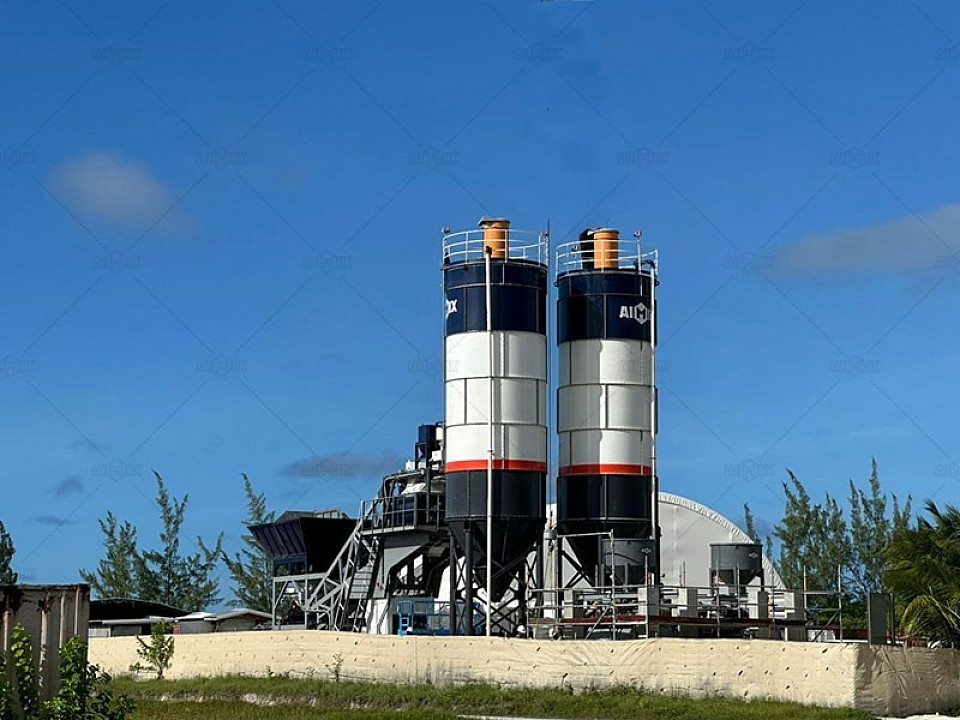
Are High Prices Justified? The ROI of Mobile Batching Plants Explained
That initial price quote for a mobile batching plant can be a sobering moment. The figure, often substantially higher than a traditional stationary setup or a fleet of transit mixers, prompts a very fair and critical question: is this truly worth it? It’s easy to view it as a colossal expense. But what if we reframe that perspective entirely? The enthusiastic analyst sees not just a cost, but a capital deployment—an investment whose return unfolds across every single project in a multitude of measurable and intangible ways. Justifying the price isn't about apologetics; it's about illuminating a powerful ROI narrative that often gets overshadowed by the initial outlay.
The Multifaceted Payoff: Deconstructing the Value Proposition
Let's dissect the value stream with genuine vigor. First, and most dramatically, a mobile plant annihilates line-item costs associated with transit. The endless cycle of fuel, driver wages, maintenance, and depreciation for a fleet of mixer trucks churning out kilometers simply evaporates. You produce concrete at the point of consumption, slashing this logistical overhead to near zero. This is a direct, recurring cash flow saving. Second, we enter the realm of precision economics. Stationary plants and even ready-mix suppliers operate with inherent waste factors—over-ordering to be safe, or under-ordering and causing delays. A mobile batching plant empowers you with on-demand, exact-batch production. You mix precisely what you need, when you need it, eliminating material waste and the sunk cost of unused, hardening concrete. Furthermore, you gain absolute mastery over mix design and quality, adapting in real-time to site conditions. The third pillar is the agility premium. Time is your most non-renewable resource. A mobile plant compresses project timelines radically by eliminating wait times for deliveries and enabling continuous pours. This agility also lets you bid on and execute projects in remote or access-constrained locations, opening lucrative revenue streams that are inaccessible to competitors reliant on traditional concrete supply chains.
The Hidden Value Catalysts: Intangibles That Compound Returns
The analysis deepens when we consider the powerful, less-quantified catalysts that amplify ROI. Reputational capital is a profound one. Arriving on site with your own batching capability signals professionalism, control, and technological sophistication. It builds client trust and differentiates your bid, allowing you to command a premium for reliability and speed. This is a formidable competitive moat. Then there is risk mitigation. Your schedule is no longer hostage to a third-party supplier's delays, truck breakdowns, or traffic. You seize absolute control over the most critical path item in construction: the concrete pour. This control reduces project volatility and protects your margins from cascading delays. Finally, consider asset longevity and residual value. A well-maintained portable concrete batching plant is a durable asset with a strong secondary market value. Unlike a consumable cost, it retains significant worth on your balance sheet, and its operational life can span decades, continuously generating returns long after the initial investment is recouped.
The Final Calculation: Contextualizing the Investment
So, is the high price justified? The resounding answer is a conditional yes—conditioned on your specific business context. The ROI equation tilts overwhelmingly positive for contractors with a high volume of work, projects in disparate or logistically tough locations, or a specialization in pours where timing and mix precision are paramount. For a small, hyper-local operation with a single ongoing project, the calculus may differ. The lens of financing also changes the picture; spreading the capital cost over a loan term can make the monthly financial outlay surprisingly manageable against the monthly savings and new revenue it generates. The ultimate verdict rests on a clear-eyed projection. Map the projected savings from eliminated transit and waste against the finance cost. Quantify the value of time saved on your next three major projects. Consider the price of the new contracts you could now confidently win. When you perform this holistic audit, the narrative often flips. The mobile batching plant ceases to be a daunting expense and emerges as a potent profit center, a strategic tool whose justification is written not in its concrete plant price, but in the amplified profitability and growth it unlocks. The investment isn't in steel and machinery; it's in the liberation and acceleration of your entire business.