
Pumping Concrete Solutions
How Small Concrete Pumps with Mixers Improve Project Turnaround Times
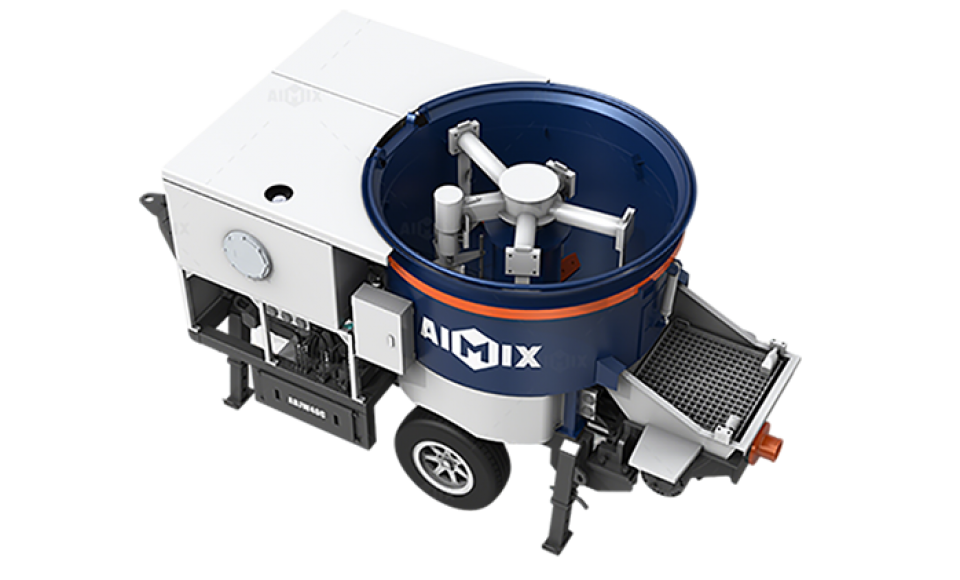
On construction sites across the globe, time is the ultimate currency. Project timelines are meticulously crafted, yet they are perpetually vulnerable to the inefficiencies of traditional concrete placement. The conventional methodology—a sequential ballet of ready-mix truck deliveries, separate pumping equipment, and manual labor—creates a series of inherent bottlenecks. Each handoff between different machines and crews introduces a point of potential failure, a moment where the entire operation can grind to an expensive halt. A new class of equipment, however, is fundamentally challenging this status quo. The small concrete pump with mixer for sale represents more than an incremental improvement; it is a paradigm shift towards a consolidated, self-sufficient workflow that is demonstrably compressing project schedules from the ground up.
The Bottleneck of Traditional Concrete Placement
To understand the value of an integrated solution, one must first diagnose the ailments of the traditional approach. The process is fragmented, relying on the perfect synchronization of disparate elements. A delay in the arrival of a ready-mix truck creates a domino effect, idling the pumping crew and any subsequent trades. This logistical fragility is a constant source of anxiety for project managers. Furthermore, the reliance on large, truck-mounted boom pumps for sale often proves impractical for confined urban infill projects or sites with difficult terrain, leading to complex setup procedures or the need for secondary, less efficient placement methods. The labor model itself is a study in inefficiency. Crews often experience significant periods of unproductive waiting, a hidden cost euphemistically referred to as the "idle time tax." This fragmented system, with its multiple dependencies and spatial demands, is intrinsically designed for delays rather than for the fluid, continuous progress that defines a truly efficient build.
The Integrated Workflow: A Synchronized System on a Single Chassis
The small concrete pump with mixer dismantles these traditional bottlenecks by collapsing the entire production and placement chain into a single, mobile unit. This machine functions as an autonomous concrete production node. It is loaded with raw materials—cement, aggregates, and water—which it mixes on-site to a precise consistency. Immediately upon achieving the desired mix, the integrated hydraulic pump engages, transferring the concrete through a pipeline or a small boom directly to the point of placement. This creates a seamless, closed-loop system. The most significant advantage is the establishment of an on-demand production capability. The workflow is no longer tethered to the schedule of an external supplier. Concrete is mixed and placed in a continuous, uninterrupted flow, eliminating the material stagnation that occurs when a truck is delayed or when a large volume is delivered before the crew is ready to place it. This singular workflow also unlocks unprecedented spatial efficiency, allowing work to proceed in tight, complex sites that were previously inaccessible to larger, more traditional equipment setups.
Quantifying the Acceleration: From Hours to Weeks
The cumulative effect of this integrated workflow is a dramatic acceleration of project timelines, with savings that can be measured in both immediate hours and long-term weeks. On a micro-level, the consolidation of tasks means a small crew can complete a foundation pour or a slab placement in a fraction of the time it would take using manual methods or uncoordinated machinery. This creates a powerful ripple effect on the project's critical path. When the concrete phase is completed faster, it allows follow-on trades—such as framers, electricians, and plumbers—to mobilize sooner. What might be saved as a few hours on a single pour compounds over the duration of a project, potentially shaving days or even weeks off the overall schedule. In the context of residential construction or small commercial builds, this accelerated turnaround is not merely a convenience; it is a direct contributor to profitability. It enables contractors to manage more projects per year, reduces general conditions overhead, and improves client satisfaction through demonstrably faster completion. The investment in an integrated pump and mixer, therefore, is not just a purchase of equipment, but a strategic investment in temporal efficiency with a measurable and compounding return.
Achieving Excellence in Concrete Work: Why You Should Choose a Planetary Mixer for Your Concrete Mixer Pump
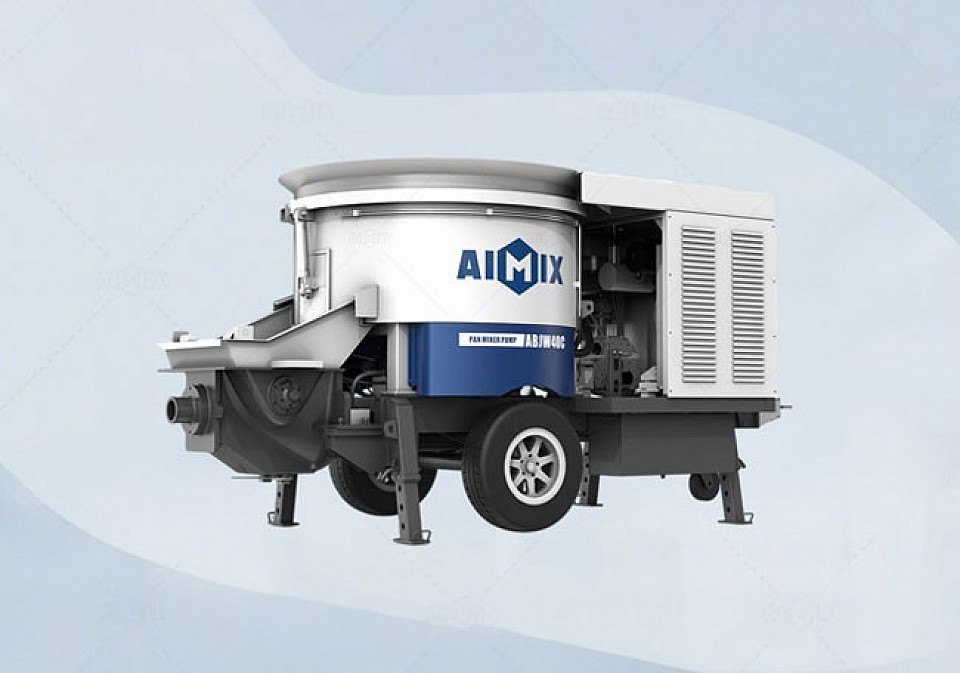
Listen up. You’re in the business of placing concrete, not just moving mud from a drum to a hose. If you think any mixer will do for your concrete mixer pump, you're dead wrong. That's a shortcut to clogs, crap concrete, and callbacks. The heart of your operation isn't the pump; it's the mixer that feeds it. And when you're feeding a pump, you need a mixer that doesn't just stir—it dominates. You need a planetary mixer. This isn't a minor upgrade; it's a fundamental shift from mediocre mixing to absolute material mastery. Forget what you know about lazy drum rotation. We're talking about a system designed for conquest.
Superior Mixing Action: Obliteration Over Agitation
A standard drum mixer relies on a single, simple rotation. The materials tumble. It’s a passive, hope-for-the-best process that leaves room for error—and in concrete, error is weakness. A planetary mixer operates on a completely different principle of mechanical advantage. It’s an aggressive, multi-axis assault on the mix. The central shaft rotates, but simultaneously, the mixing stars or blades themselves orbit around the central axis within the stationary pan. This creates a complex, overlapping pattern of shear and kneading forces. It’s the difference between gently swirling a spoon in a cup and using a food processor with multiple blades chopping from all directions. This planetary motion doesn't just combine ingredients; it systematically dismantles agglomerates of cement and sand. It shears through water, forcing immediate and total hydration of cement particles. It leaves no room for dry pockets or weak spots. The result is a mix that is fully worked, fully activated, and uniformly lubricated from the very first moment.
Unrivaled Homogeneity and Cohesion
This brutal efficiency translates directly into a mix of unparalleled consistency. Batch after batch, the proportions of aggregate, sand, cement, and water are distributed with microscopic evenness. There is no gradient, no settling, no variation from the top of the load to the bottom. Every scoop, every bucket, every pump stroke is identical in its composition and performance. This homogeneity is non-negotiable for high-spec work. But more than just being even, the mix develops a superior internal cohesion. The kneading action of the planetary blades works the mortar phase into a tenacious, plastic matrix that thoroughly coats and binds every piece of aggregate. The concrete isn't just a collection of rocks held together by paste; it's a single, monolithic, and unified material. You can see the difference in its texture and feel it in its workability. It holds its shape without bleeding or segregating. This cohesion is your first and best defense against the number one enemy of a small concrete pump: a line blockage.
The Direct Impact on Pumpability and Structural Integrity
Let's get to the point. A concrete pump with mixer for sale is a machine that hates surprises. It wants a consistent, lubricious, and predictable material. A standard mix, with its potential for weak mortar, unhydrated cement balls, and a tendency to segregate under pressure, is a recipe for disaster. It creates internal friction, pressure spikes, and ultimately, a hardened plug in your pipeline that will cost you thousands in downtime and repairs. A planetary mix, with its flawless lubrication and locked-in cohesion, pumps with a smooth, steady pressure. It flows like a continuous ribbon, not a chunky slurry. You reduce wear on the pump's hydraulics and the pipeline itself. The operational benefit is massive. But the final product is what truly matters. That same homogeneity and cohesion that makes it pump beautifully is what gives you a finished concrete of superior strength and durability. You eliminate honeycombing and surface defects because the concrete consolidates perfectly around reinforcement and into formwork corners. You get a denser, less permeable matrix that will resist environmental attack for decades. Choosing a planetary mixer for your pump isn't an equipment choice. It's a declaration that you will not tolerate mediocrity. It’s the decision to build something that lasts, and to do it without fighting your own equipment every step of the way. Stop messing around with inferior mixing. Get a planetary. Do the job right.
How To Effectively Use Small Concrete Pump Truck In High And Low Temperatures
The operational efficacy of a small concrete pump truck for sale is significantly influenced by ambient temperature, which directly impacts the rheological properties of the concrete mix and the mechanical performance of the equipment itself. Effective utilization in thermally challenging conditions necessitates a methodical approach that integrates mix design adaptation, procedural modifications, and targeted equipment maintenance. Failure to account for these variables can result in premature concrete setting, pipeline blockages, reduced structural strength, and accelerated wear on hydraulic systems. A comprehensive understanding of the interplay between temperature, material science, and machine dynamics is therefore a prerequisite for maintaining productivity and ensuring the integrity of both the placed concrete and the pumping apparatus throughout the year.
Operational Protocols for High-Temperature Environments
High ambient temperatures accelerate the hydration process of cement, leading to a rapid loss of slump and an increased potential for pipeline congestion. Mitigating these effects requires a multi-faceted strategy. Primarily, the concrete mix design must be optimized for the conditions. The use of set-retarding admixtures is paramount to delay the initial setting time and maintain workability throughout the pumping cycle. Supplementary cementitious materials, such as fly ash or slag, can be incorporated to reduce the heat of hydration and improve the mix's pumpability. On-site, proactive measures are critical. The pump truck's hopper should be shielded from direct sunlight, and the delivery pipeline must be kept cool. This can be achieved by covering exposed lines with wet burlap or employing reflective insulation. A pre-pumping water flush through the pipeline serves to lower its internal temperature and reduce friction. During operation, a consistent, uninterrupted flow of concrete is essential; any significant pause can allow the mix to begin setting within the boom and lines. Furthermore, ensuring an adequate supply of mixers is crucial to prevent the pump from running dry, which can introduce air and cause a vacuum lock, exacerbating the risk of a blockage.
Strategic Adjustments for Low-Temperature Concreting
Conversely, low temperatures present a distinct set of challenges, primarily centered on the risk of freezing and the delayed strength gain of the concrete. The fundamental objective is to ensure the concrete reaches its critical strength before being subjected to freezing cycles. The mix design must again be adjusted, typically through the incorporation of accelerating admixtures to promote early strength development and, in some cases, air-entraining agents to provide resistance to freeze-thaw cycles. The use of heated water and aggregates in the batching process is a standard practice to elevate the initial temperature of the concrete. For the small concrete pump truck itself, operational protocols shift toward thermal retention and protection. Insulating blankets for the hopper and critical pipeline sections help maintain the concrete's placed temperature. Following a pour, it is imperative to immediately flush the entire pumping system with clean water to prevent any residual concrete from freezing within the lines, an event that can cause catastrophic damage. The use of a compressed air blow-out after flushing ensures that no water remains to freeze in the pipelines, cylinders, or valves, which could lead to structural cracking upon expansion.
Machine Preservation and Maintenance Across Thermal Extremes
The boom concrete mixer pump's hydraulic and mechanical systems are equally susceptible to temperature extremes, necessitating a disciplined maintenance regimen. In high-temperature operations, the hydraulic system is under considerable duress. The viscosity of hydraulic oil decreases with heat, potentially compromising its lubricating properties and leading to increased wear on pumps and valves. Regular monitoring of hydraulic oil temperature is essential, and the use of high-grade, thermally stable oil is recommended. Cooling systems, including radiators and heat exchangers, must be kept clean and fully functional to dissipate the immense thermal load generated by continuous pumping. In cold climates, the primary concern is fluid viscosity and component brittleness. Hydraulic oil and engine coolant should be switched to winter-grade formulations to ensure proper flow and prevent gelation. Before commencing work, a prolonged warm-up period for the engine and hydraulic system is non-negotiable; this allows fluids to reach their optimal operating viscosity, ensuring adequate lubrication and pressure transmission. A meticulous inspection of high-stress components, such as the boom’s welds and structural steel, is advised, as low temperatures can reduce material ductility. Adhering to these preservation protocols not only ensures operational reliability but also extends the service life of the equipment, protecting the capital investment against the degradative effects of thermal cycling.
From Driving to Maintenance: A Comprehensive Guide to Mini Concrete Pump Trucks
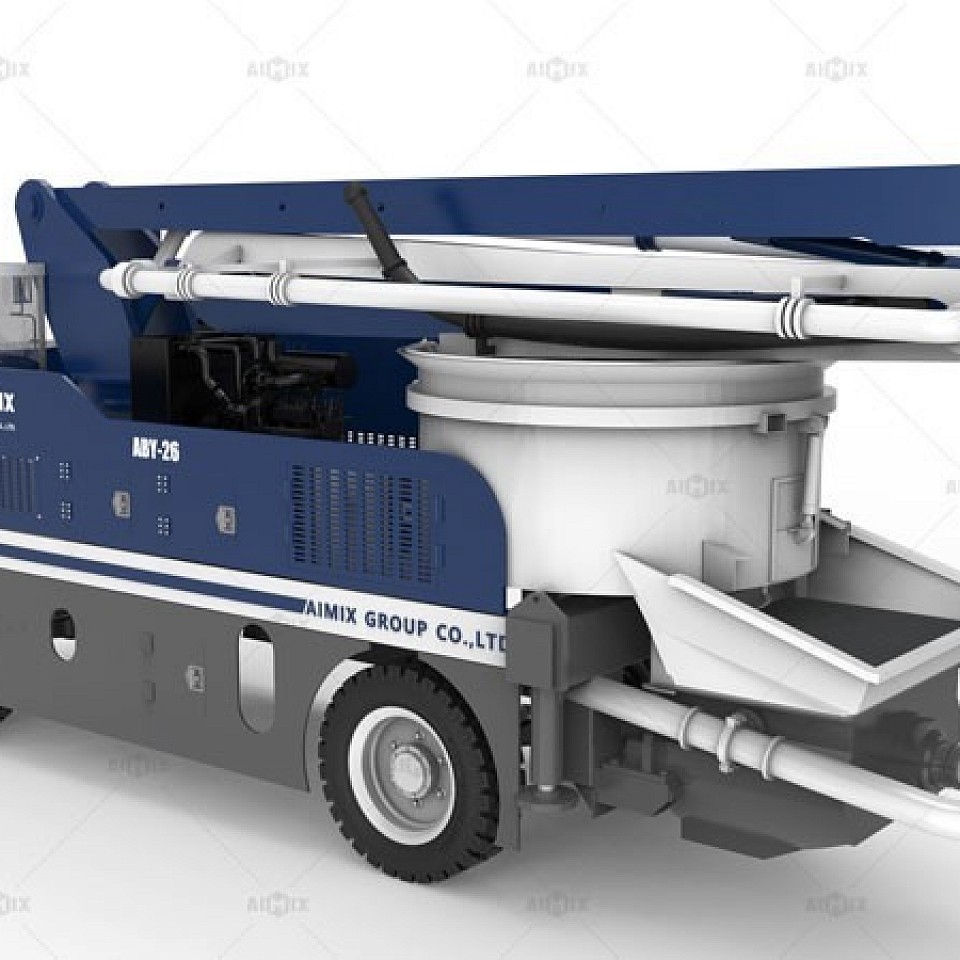
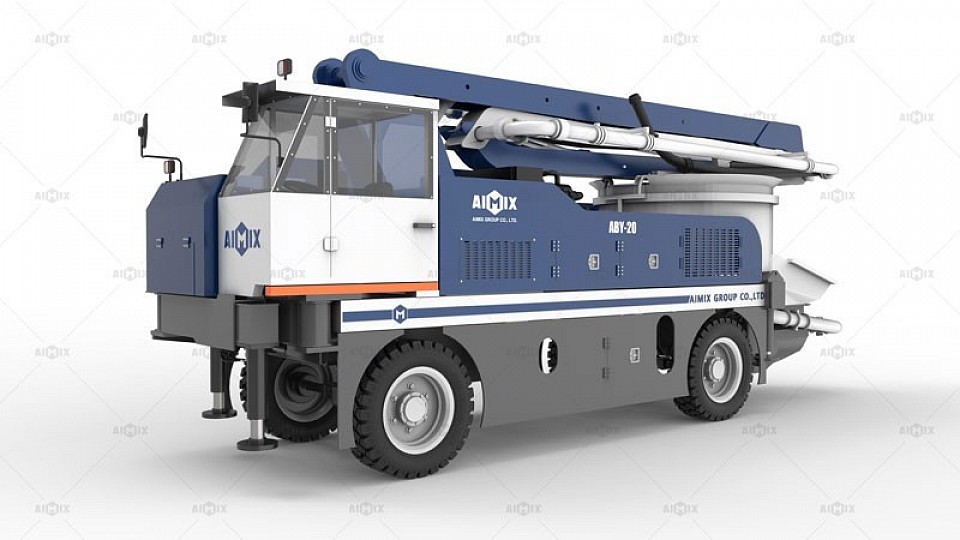
A mini concrete pump truck is a remarkable piece of machinery, a true workhorse that brings significant capability to a smaller footprint. For many contractors, it represents the perfect balance of power and practicality. However, owning and operating one isn't as simple as just turning a key. There's a responsible way to handle these machines, a method that prioritizes safety, longevity, and getting the job done right. This guide walks through the proper approach, from the moment you start the engine to the essential care it needs after a hard day's work. Let's discuss how to get the most from your investment.
Mastering the Drive: On-Road Handling and Site Placement
Before you ever think about pumping concrete, you have to get the truck where it needs to go. Driving a mini concrete pump truck is different from a standard vehicle. You're managing a higher center of gravity and a longer wheelbase. Take corners slowly and deliberately, always mindful of the tail swing. When planning your route, be vigilant about low bridges, overhanging branches, and tight turns in residential areas. Once on site, placement is critical. Don't rush this step. You need firm, level ground. Avoid setting up over backfilled trenches, manholes, or any area where the soil might be compromised. The outriggers must be extended fully onto solid bearing pads to distribute the immense weight and forces during pumping. This initial diligence prevents dangerous instability and is the bedrock of a safe pour. It’s a matter of taking the time to do things correctly from the very start.
The Art of the Pour: Setup and Safe Operation
With the truck securely positioned, the real work begins. A careful operator will perform a systematic check. Ensure the boom is clear of all obstructions, especially power lines—maintaining a safe distance is non-negotiable. Prime the small concrete pump system with a start-up slurry, usually a thin mortar mix, to lubricate the pipeline. This step is often overlooked, but it prevents blockages and reduces wear on the system. During the pour, communication is paramount. Your spotter and the ready-mix truck driver must be in clear, constant contact with you, the operator. Use hand signals or radios to coordinate the flow. Pay close attention to the concrete’s consistency in the hopper; a mix that is too dry can cause a pipeline blockage, while one that is too wet can lead to segregation. The key is a steady, controlled pace. Avoid rushing or making sudden, jerky movements with the boom. A methodical approach ensures a smooth pour, a safe worksite, and a high-quality result for the client.
The Careful Upkeep: Essential Maintenance Routines
The final, and perhaps most important, part of responsible ownership happens after the pour is complete. A mini concrete pump truck for sale is a complex assembly of hydraulics, mechanics, and electronics, and it demands respectful upkeep. The single most crucial routine is a thorough clean-out. You must flush the entire pumping system, from the hopper to the end of the delivery hose, to remove all residual concrete. Left to harden, it will cause catastrophic damage and expensive downtime. Follow this with a detailed visual inspection. Look for wear on the pipeline, especially at the joints and bends. Check hydraulic hoses for any signs of cracking, abrasion, or leaks. Grease all fittings on the boom knuckles and outriggers as specified by the manufacturer. Keep a diligent log of service hours for fluid changes—engine oil, hydraulic fluid, and gear oil. This isn't merely about following a manual; it’s about preserving the value and reliability of your equipment. A well-maintained machine is a predictable asset, while a neglected one becomes a liability waiting to happen. This disciplined approach to maintenance is what separates a dependable operation from an unreliable one.
Innovations in Mini Concrete Pumping: Trends to Watch in Construction
The narrative surrounding concrete pumping has long been dominated by sheer scale—the awe-inspiring reach of massive booms on mega-projects. Yet, a quiet but profound revolution is reshaping the ground level. The domain of mini concrete pumps, those agile workhorses for residential, commercial interiors, and tight-access sites, is undergoing a technological metamorphosis. This evolution moves beyond simple power-to-weight ratios. It's about embedding intelligence, reimagining power sources, and expanding functional scope. For contractors and project managers, staying ahead now means understanding how these compact machines are becoming smarter, cleaner, and more versatile, fundamentally altering the economics and logistics of small-pour concrete placement.
The Intelligence Inflection: From Dumb Iron to Smart Fluidics
The modern mini pump is shedding its identity as a simple mechanical actuator. The core trend is the integration of digital nervous systems that transform operation from an artisanal skill into a data-driven science. These are no longer just pumps; they are concrete placement systems with embedded logic.
Precision Telematics and Automated Process Control is the foremost shift. Advanced units now feature programmable logic controllers (PLCs) that manage complex variables in real-time. Operators can input the specific mix design parameters—slump, aggregate size, density—and the system auto-calibrates hydraulic pressure and stroke rate to maintain optimal material velocity. This mitigates line pulsation and prevents segregation, ensuring a consistent, homogeneous pour critical for structural integrity. Furthermore, integrated telematics gateways transmit operational data—from engine diagnostics and fuel consumption to exact output volume and system pressures—to cloud platforms. Project managers can monitor pour progress and pump health remotely, enabling a new level of job-site accountability and logistical coordination. The machine becomes a node in a connected construction ecosystem.
This intelligence directly feeds into the paradigm of Predictive Maintenance and Downtime Elimination. Instead of reactive repairs following a failure, sensors monitoring hydraulic fluid temperature, contamination levels, and component wear vectors provide actionable alerts. The system can forecast a potential seal failure or suggest a filter change based on actual load cycles, not just a calendar. This shift from preventative to predictive maintenance is a game-changer for rental profitability and project scheduling. It turns unscheduled downtime, a notorious profit-killer, into a planned, minimal-disruption event. The pump's value is augmented not just by its output, but by its operational predictability.
The Electrification Epoch: Redefining Power and Placement
The drivetrain is experiencing its most significant re-engineering in decades. The imperative for zero-local-emissions operation in urban environments and enclosed spaces is pushing electrification from a niche concept to a central design pillar.
Hybrid and Full-Electric Drive Systems are emerging as powerful solutions. Hybrid configurations use a small, efficient diesel generator running at a constant optimal RPM to charge a battery bank, which then powers the electric hydraulic pumps. This eliminates the deafening roar of a diesel engine under variable load, drastically reduces fuel consumption, and slashes emissions. For fully electric models, connection to a jobsite power supply or a silent mobile generator enables true zero-emission operation. The performance benefit is profound: electric motors provide instant torque, allowing for smoother, more responsive control of the concrete flow, which is critical for delicate finishing work. The elimination of diesel exhaust also means these small concrete pumps can operate safely inside buildings or in densely populated areas without complex ventilation or community complaints.
This leads directly to the advantage of Ultra-Quiet Operation for Urban and Interior Projects. Noise pollution ordinances and strict site hours are major constraints in city centers and suburban neighborhoods. Electrified mini pumps operate at a conversational decibel level. This unlocks the potential for extended working hours, reduces friction with stakeholders, and makes concrete placement feasible in noise-sensitive environments like hospitals, schools, or active retail spaces. The benefit is both social license and expanded market access. A contractor with an electric mini pump can bid on projects that were previously logistically or legally inaccessible with traditional equipment.
The Material Science and Attachment Revolution
Finally, innovation is exploding at the point of contact—where the machine interfaces with both the material and the job site. Pumps are being engineered to handle advanced mixes and to become multi-functional platforms.
The need for Advanced Mix Compatibility and Pressure Management is driven by new concrete formulations. From self-consolidating concrete (SCC) and lightweight mixes to fiber-reinforced and high-performance composites, modern materials have unique flow characteristics. New pump designs feature specially engineered transfer cylinders, optimized pipeline diameters, and adaptive hydraulic systems that can handle these delicate mixes without causing separation or compromising their engineered properties. This ensures that the sophisticated performance designed into the mix at the plant is delivered intact into the formwork. It’s a symbiotic relationship between material science and mechanical engineering.
Simultaneously, the trend toward Modular Attachments for Multi-Tool Functionality is gaining momentum. The core power pack of a mini concrete mix pump—its robust hydraulic system and chassis—is being leveraged as a base for interchangeable tools. Quick-connect interfaces allow a single unit to transform from a concrete pump to a mortar sprayer for shotcrete applications, a plaster pump for rendering, or even a material conveyor for granular bulk like pea gravel or sand. This transforms a single-purpose asset into a versatile job-site workhorse, maximizing utilization rates and minimizing the capital outlay and logistics for multiple specialized machines. For the savvy contractor, this isn't just a pump purchase; it's an investment in a scalable, adaptable placement system ready for the diverse demands of modern construction.
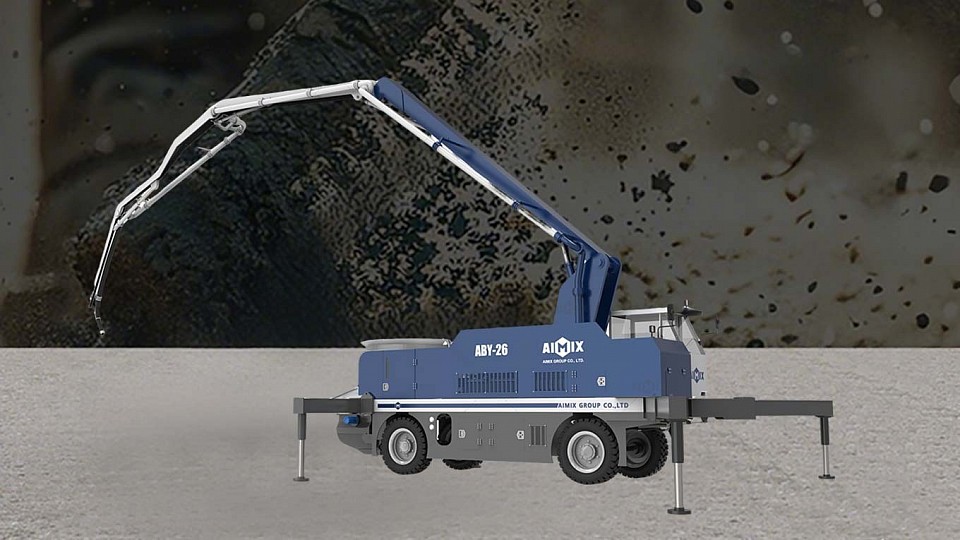
Maximizing Your Project's Potential with Wheeled Boom Concrete Pumps
The successful execution of a modern construction project hinges on the strategic orchestration of resources, time, and methodology. The selection of placement equipment for concrete, a primary structural material, is a decision with profound implications for all three. While traditional methods like cranes with buckets or fixed pumping systems have their place, wheeled boom concrete pumps represent a specialized toolset that can fundamentally elevate a project's operational ceiling. These concrete boom pump machines, characterized by a truck-mounted, multi-articulated robotic boom, are not merely a convenience but a force multiplier. Their deployment unlocks potential by addressing specific, common constraints related to access, precision, and economic efficiency, transforming logistical challenges into streamlined processes.
The Mobility and Access Advantage: Extending Project Feasibility
The inherent value of a wheeled boom pump begins with its foundational design: mobility married to significant reach. Unlike stationary pump systems that require extensive pipeline setup or crane-dependent methods that need clear vertical access, a truck mounted concrete pump can be driven to a site, positioned on a suitable hardstand, and be operational in a remarkably short timeframe. This mobility directly expands the universe of feasible project sites. It elegantly solves the problem of constrained access, whether in dense urban infill projects surrounded by existing structures, sites with limited laydown area, or locations where overhead power lines prohibit crane use. The boom can articulate over, under, or around obstacles, placing concrete with precision where other equipment cannot physically reach.
This advantage extends beyond initial setup to dynamic project management. For large or phased projects, such as a subdivision with multiple home pads or a commercial complex with separate structures, the pump can be strategically repositioned throughout the day. It can complete a pour on one building foundation, then drive a short distance to begin work on another, all without the demobilization and remobilization costs associated with relocating a stationary system. This mobility turns the concrete placement operation into a flexible, responsive asset that can adapt to the evolving geography of the worksite, maintaining continuous workflow and maximizing equipment utilization.
Precision Placement and Operational Efficiency
Once positioned, the wheeled boom pump introduces a paradigm of precision and labor efficiency. The remotely operated boom allows the operator to place concrete within a millimeter-accurate radius from the truck's position, guided by line-of-sight or camera systems. This capability is invaluable for complex formwork, densely reinforced sections, or elements with intricate geometry. Concrete can be directed exactly where it is needed, minimizing the need for laborious manual spreading and reducing the potential for material segregation that occurs when concrete is dumped from a height and moved extensively with shovels.
This controlled placement directly correlates with enhanced quality and reduced waste. The pump delivers a steady, continuous flow of material, allowing crews to place and finish the concrete systematically without rushing or creating cold joints. The reduction in manual handling also preserves the mix design's integrity, preventing the addition of excess water by crews trying to improve workability of stiffening concrete. Furthermore, the system minimizes spillage and over-pour. Because the placement is so targeted, there is less concrete poured outside the forms, leading to material savings, a cleaner site, and lower cleanup costs. The operation shifts from a labor-intensive, somewhat chaotic materials handling task to a controlled, mechanized process.
Economic Optimization and Schedule Certainty
The cumulative effect of improved access and precision is a compelling economic argument. A comprehensive cost analysis for concrete placement must look beyond the simple rental rate of the pump. It must account for the totality of associated expenses: labor hours for setup, handling, and cleanup; the cost of potential rework due to poor placement; and the financial impact of schedule delays. A wheeled boom pump consolidates multiple workflows. It often eliminates the need for a crane and its operator for concrete placement duties, reduces the size of the concrete finishing crew required, and accelerates the pace of the pour itself.
This acceleration is the key to schedule certainty. Concrete placement frequently sits on the project's critical path. Delays in forming, reinforcing, or placing concrete delay every subsequent trade. The speed and reliability of a small concrete pump truck mitigate this risk. Pours that might take a full day with alternative methods can be completed in a matter of hours, freeing the area for follow-on activities. The predictability of the operation allows for precise daily planning. By removing major variables from the concrete placement equation—access limitations, labor-dependent speed, placement accuracy—the project manager gains a higher degree of control over the timeline. This control minimizes costly downtime for other trades and protects the project's profitability. Therefore, maximizing a project's potential is not about working harder, but about applying the right mechanical advantage. The wheeled boom concrete pump provides that advantage, turning the complex challenge of concrete placement into a reliable, efficient, and predictable component of the build.
The Power of Line Concrete Pumps: Transforming Large Pouring Operations
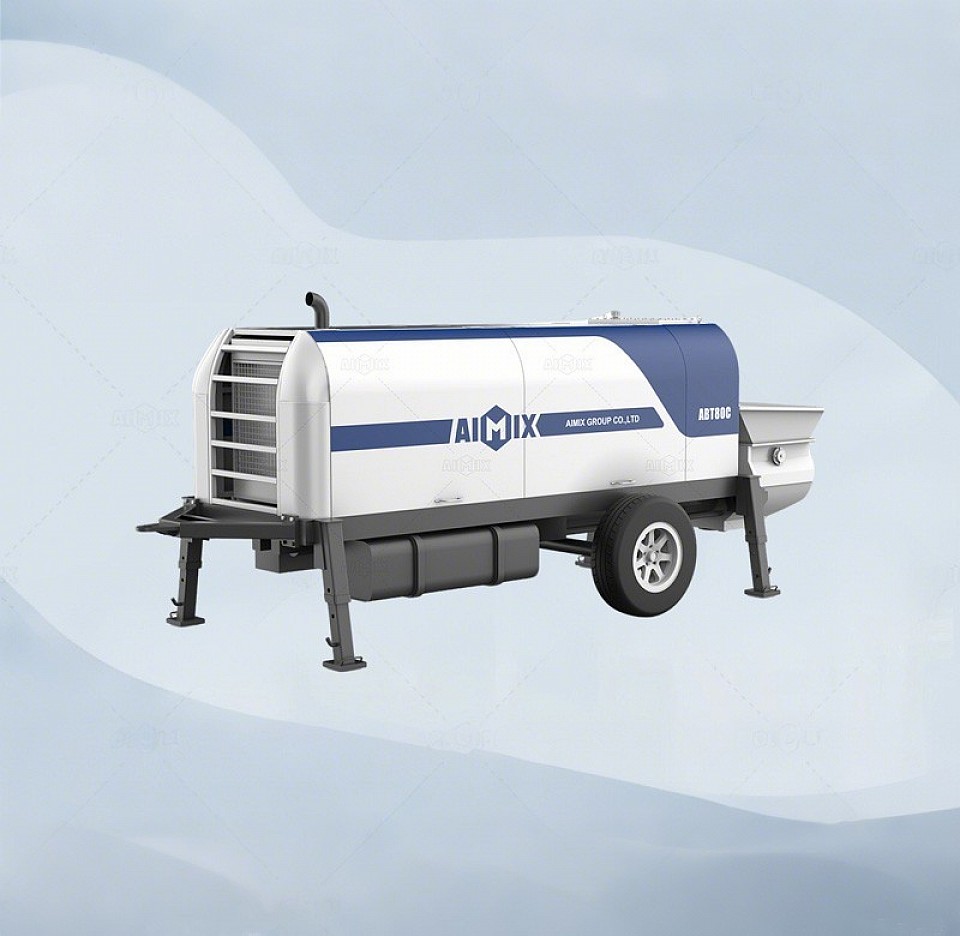
In the realm of large-scale concrete construction, efficiency and precision are not merely advantageous—they are imperative. The traditional method of coordinating fleets of transit mixers with discrete, truck-mounted boom pumps often introduces logistical friction and potential for inconsistency when volumes exceed a certain threshold. This is the operational domain where line concrete pumps, also known as trailer-mounted concrete pumps, establish their unequivocal dominance. These specialized machines, which pump concrete through a system of pipelines directly from the mixer truck to the point of placement, are engineered to transform massive pouring operations from complex logistical challenges into streamlined, continuous processes. Their deployment represents a fundamental shift in methodology, prioritizing uninterrupted material flow, superior placement control, and enhanced project economics for specific, high-volume applications.
The Mechanics of Continuous Placement: Operational Superiority Over Traditional Methods
The core advantage of a line pump is its ability to facilitate a continuous pour. Unlike a boom pump, which has a limited hopper capacity and requires cyclic refilling from arriving mixer trucks, a line pump is connected directly to the discharge chute of the transit mixer. This creates a closed, pressurized system that can move concrete over considerable distances—horizontally for hundreds of meters and vertically for dozens of stories—without interruption. This eliminates the stop-start rhythm inherent in boom pump operations, where pauses for truck exchange can lead to cold joints or inconsistent finishing. The line pump acts as a mechanical heart, maintaining a steady, metered flow of material that can be precisely regulated by the operator.
This continuous flow directly translates to unmatched consistency and placement quality. The pump operator, working in conjunction with the concrete crew, can maintain a precise pour rate optimal for the specific application, whether it's a deep foundation element requiring careful placement to avoid segregation or a large slab where a consistent pace is critical for finishing. The system’s design minimizes the potential for material segregation that can sometimes occur when concrete is free-fell from a boom into deep forms. Furthermore, line pumps are capable of handling a wider range of mix designs, including those with smaller aggregate and higher slump, which are often necessary for pumpability over long distances. This mechanical resilience ensures that the specified concrete performance is maintained from the truck to its final position.
Strategic Deployment: Applications Where Line Pumps Are Indispensable
The utility of stationary concrete pumps is not universal; it is specialized and exceptionally potent within well-defined project parameters. Their primary application is in large-volume, continuous placement scenarios where establishing a fixed pumping setup yields disproportionate benefits. The most common use case is the placement of expansive industrial slabs, warehouse floors, and airport runways. For these multi-thousand-cubic-meter pours, the ability to pump concrete from a central location to any point on the slab via a network of easily repositioned pipelines is transformative. It removes the need for countless truck movements across the fresh concrete or subgrade, protects the prepared base from compaction, and allows a single pouring crew to cover vast areas efficiently.
Similarly, in major civil and infrastructure projects, line pumps become critical tools. They are indispensable for pumping concrete into deep foundations, caissons, and diaphragm walls. They are routinely deployed for tunnel linings, bridge abutments, and long retaining walls where access for truck-mounted booms is restricted or impossible. The pipeline can be routed through challenging terrain, over obstacles, or into confined spaces with a flexibility that a rigid boom cannot match. In high-rise construction, line pumps are used in conjunction with or as an alternative to high-pressure boom pumps, often relaying concrete to upper floors where it may be distributed by a separate placing system. Their value is clearest in projects characterized by linear or densely reinforced elements requiring a unimpeded, steady supply of material.
The Economic and Logistical Calculus: Justifying the Investment
The decision to employ a line pump is ultimately an economic and strategic calculation. While the daily rental rate for a high-output line pump is significant, its justification lies in the total cost analysis for the pour. This analysis must account for the alternative: typically, a larger number of truck-mounted boom pumps and a more complex, staggered schedule of transit mixer deliveries. The line pump system often reduces the total number of mixer trucks required on-site at any given time, alleviating site congestion and simplifying traffic management. It drastically cuts the labor required for manual concrete handling and distribution.
More importantly, it provides unparalleled schedule certainty and risk mitigation. A continuous pour of a massive element, such as a mat foundation, is often scheduled to be completed within a single, prolonged operation to ensure structural integrity. The reliability and consistent output of a line pump system safeguard this critical path timeline. The risk of a cold joint due to delivery delays or equipment malfunction is significantly reduced. Furthermore, by enabling the use of optimized, pump-specific mix designs, the line concrete pump truck can contribute to material efficiency and reduced waste. For contractors and project managers overseeing large-scale concrete operations, the line pump is not merely a piece of equipment; it is a strategic asset that transforms the pouring operation from a variable-dependent logistical puzzle into a controlled, predictable, and highly efficient industrial process. Its power lies in its ability to deliver not just concrete, but certainty.
Concrete Solutions: The Rise of Mini Mixer Pumps in Kenya's Construction Industry
The Kenyan construction industry is undergoing a significant transformation driven by the adoption of mini mixer pumps, compact yet powerful machines that combine concrete mixing and pumping capabilities in a single mobile unit. This equipment category has emerged as a disruptive technology, particularly for small to medium-scale projects where traditional concrete delivery methods prove inefficient or cost-prohibitive. The rise of these machines reflects a broader trend toward equipment optimization and operational efficiency in Kenya's rapidly developing construction sector. Mini cement mixer pump address specific market needs, including limited site access, budget constraints, and the demand for faster project completion. Their integration into construction workflows represents a paradigm shift in how concrete is produced and placed, offering contractors unprecedented flexibility and cost control.
Technical Specifications and Operational Capabilities
Mini mixer pumps are characterized by their compact dimensions, typically measuring 3-4 meters in length, 1.5-2 meters in width, and 2-3 meters in height, enabling access to confined urban sites and projects with limited space. These machines integrate a concrete mixer with a hydraulic pump, allowing for continuous production and placement of concrete with minimal manual handling. Standard models feature mixing capacities of 300-500 liters per batch and pumping capacities of 10-20 cubic meters per hour, with maximum vertical reach of 30-50 meters and horizontal reach of 100-150 meters. The integration of these functions in a single machine eliminates the need for separate mixing and pumping equipment, reducing equipment footprint and operational complexity.
Advanced models incorporate automated control systems that regulate water-cement ratios, monitor production rates, and optimize pumping parameters for consistent performance. The operational advantages of mini mixer pumps extend beyond their compact size to encompass significant improvements in workflow efficiency. The ability to produce concrete on-demand at the point of placement eliminates the logistical challenges associated with ready-mix concrete delivery, including scheduling delays, material waste from transit time limitations, and access restrictions for large trucks. The continuous operation capability allows for uninterrupted concrete placement, reducing cold joints and improving structural integrity. The machines' mobility enables contractors to serve multiple projects simultaneously, maximizing equipment utilization and return on investment. These operational characteristics make mini concrete pumps particularly well-suited for Kenya's construction landscape, which includes a high proportion of small-scale residential projects, commercial renovations, and infrastructure upgrades in densely populated areas.
Market Drivers and Economic Viability
The rapid adoption of mini mixer pumps in Kenya is driven by a confluence of economic, operational, and market factors that create a compelling value proposition for contractors. The machines' affordability, with prices ranging from KES 1.5 million to KES 3.5 million, makes them accessible to small and medium-sized contractors who constitute the majority of Kenya's construction sector. This price point represents a significant advantage over traditional concrete pumps, which can cost KES 5 million to KES 10 million, requiring a much higher capital investment. The lower operating costs, including reduced labor requirements and minimal material waste, further enhance the economic viability of mini mixer pumps, particularly for projects with concrete volumes of 20-100 cubic meters. Market dynamics in Kenya's construction industry have created ideal conditions for the adoption of mini mixer pumps.
The government's affordable housing initiative, which aims to construct 500,000 units by 2025, has generated substantial demand for efficient concrete placement solutions suitable for high-density residential developments. The growth of small-scale commercial construction, including retail centers, office buildings, and hospitality facilities, has created a market segment that values operational flexibility and cost control. The expansion of infrastructure projects in rural areas, where access to traditional concrete delivery methods is limited, has further driven demand for mobile, self-contained concrete production equipment. These market forces, combined with the inherent economic advantages of mini mixer pumps, have positioned this equipment category for sustained growth in Kenya's construction sector.
Technical Innovation and Future Development
The evolution of mini mixer pump technology is characterized by continuous innovation aimed at enhancing performance, reliability, and user experience. Recent advancements include the integration of intelligent control systems that automatically adjust mixing and pumping parameters based on material characteristics and ambient conditions, ensuring consistent concrete quality. Hybrid power systems, combining diesel engines with electric motors, have been introduced to reduce fuel consumption and emissions, addressing environmental concerns and operational costs. Enhanced hydraulic systems with variable flow control optimize energy usage and reduce wear on components, extending equipment lifespan and reducing maintenance requirements. These technological improvements are making mini mixer pumps increasingly sophisticated and capable, expanding their application range and operational efficiency.
Future development of small concrete pumps for sale is likely to focus on further enhancing connectivity, automation, and sustainability. The integration of Internet of Things (IoT) technology will enable remote monitoring of equipment performance, predictive maintenance, and real-time operational data analysis. Increased automation, including robotic control of the placing boom and automated material handling, will further reduce labor requirements and improve placement accuracy. The development of electric-powered models, utilizing battery technology or grid power, will address noise and emissions concerns, making the machines suitable for use in environmentally sensitive areas or noise-restricted urban environments. These advancements will continue to enhance the value proposition of mini mixer pumps, solidifying their position as a key technology in Kenya's construction equipment landscape.
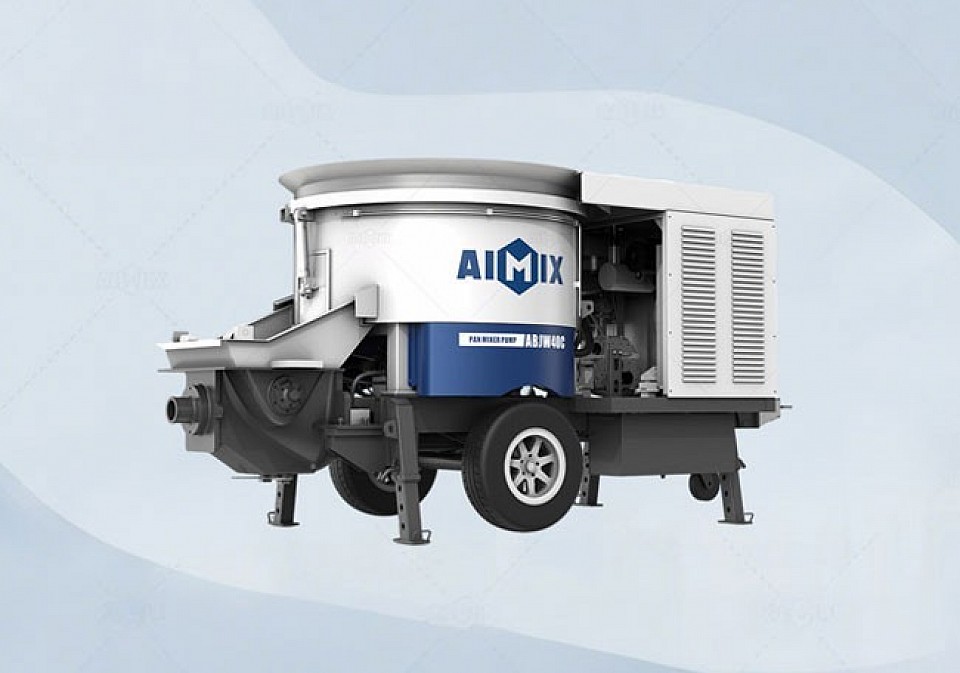
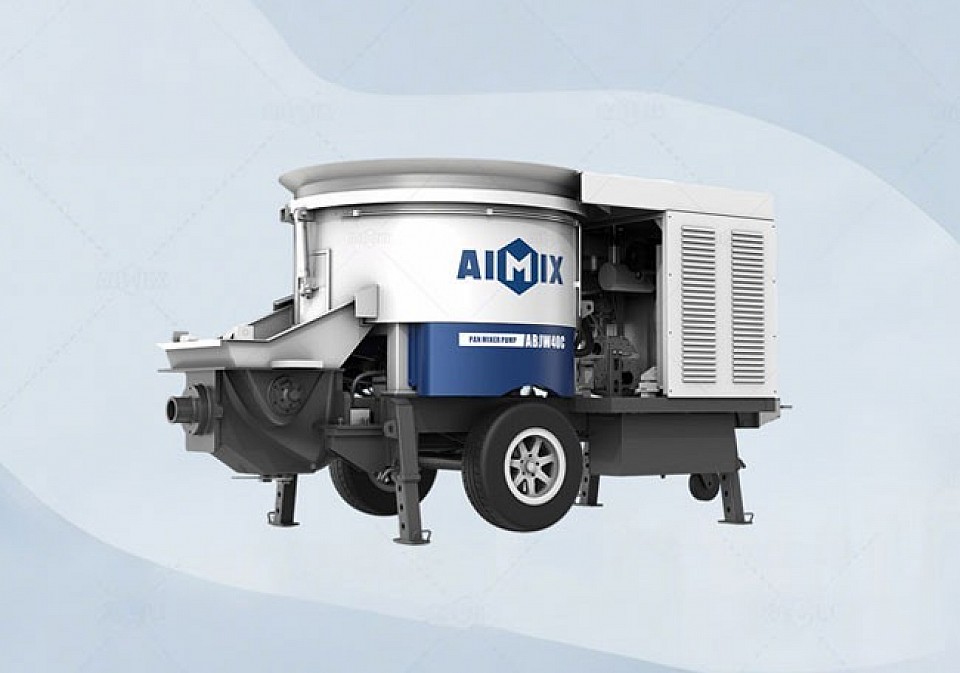
Navigating the Challenges of Foundation Work: The Role of Portable Concrete Mix Pumps
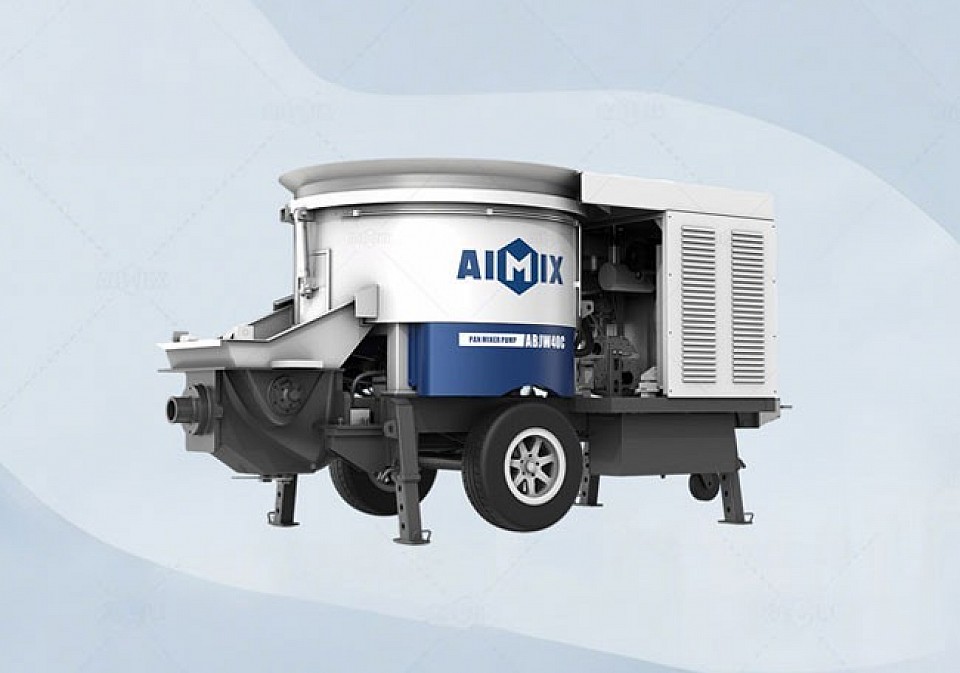
Foundation work presents a unique set of challenges that distinguish it from above-grade construction. The work occurs in excavations, often within confined spaces, and demands precise, uninterrupted concrete placement to ensure structural integrity. Traditional methods relying on ready-mix trucks and cranes can struggle with access, timing, and the specific volumetric needs of deep footings, piles, and rafts. This is where portable concrete pumps offer a distinct and reliable solution. By integrating batching and pumping functions into a single mobile unit, they provide a methodology to directly address the core difficulties of foundation construction. Understanding how to leverage this technology allows you to navigate these challenges effectively, ensuring your project's substructure is built on a foundation of both solid concrete and sound operational practice.
Overcoming Site Access and Spatial Constraints
One of the most immediate challenges in foundation work is simply getting concrete to the point of placement. Excavations for basements, deep footings, or waterfront structures are often situated in areas where standard ready-mix trucks cannot approach or maneuver. A portable concrete mix pump resolves this by decoupling delivery from final placement. The unit can be stationed on stable ground at the site perimeter—on a street, an adjacent lot, or a prepared pad. From this position, it draws in raw materials (aggregates, cement, water) and mixes the concrete on demand. The integrated pump then conveys the mix through a flexible pipeline that can be routed down excavation slopes, through narrow access shafts, or across obstacles, delivering it directly into the formwork. This capability is invaluable for tight urban infill projects or sites with challenging topography, turning otherwise inaccessible pours into routine operations.
Furthermore, foundation sites frequently have minimal space for material stockpiles and equipment staging. The compact, all-in-one nature of a portable mix pump reduces the required laydown area significantly. You eliminate the need for a separate stationary mixer, the space for a pump truck's outriggers, and the turning radius for multiple delivery vehicles. The machine serves as its own micro-batching plant, streamlining the material footprint and allowing other critical activities, like reinforcement tying and formwork assembly, to proceed with less congestion directly adjacent to the excavation.
Ensuring Pour Integrity in Complex Foundation Geometries
The structural performance of a foundation is contingent upon monolithic placement, especially for elements like pile caps, thick rafts, and continuous footings. Any cold joint or interruption can create a plane of weakness. Portable concrete mixer pump is engineered for continuous output, making them ideal for these critical, high-volume pours. They can maintain a steady flow of concrete for the duration required to fill a large form, ensuring homogeneity and structural continuity from one end of the element to the other.
Beyond large slabs, foundations often involve deep, narrow elements. Pouring concrete into deep piles, caissons, or diaphragm wall panels using traditional methods risks material segregation—where the coarse aggregate separates from the mortar as it falls—leading to weak zones. The pipeline of a mix pump allows for tremie placement, where the concrete is delivered gently to the bottom of the form, rising evenly and displacing any water or slurry without segregation. This controlled placement is essential for achieving the specified strength and durability in these critical, load-bearing elements, providing confidence in the quality of the work placed out of sight.
Managing Logistics and Timelines in Remote or Urban Settings
Foundation work is often on the critical path of a project's schedule, and delays in concrete placement can cascade, impacting every subsequent trade. Portable mix pumps grant a high degree of logistical independence. In remote locations where ready-mix plants are distant or non-existent, the machine can produce concrete using locally sourced materials, eliminating long, unreliable truck hauls. In dense urban centers, it mitigates the risk of delayed deliveries due to traffic congestion, as the production is on-site and on-demand.
This autonomy allows for superior schedule synchronization. You are no longer coordinating with a third-party supplier's timetable. Concrete can be batched precisely when the excavation is prepared, the reinforcement is inspected, and the forms are approved. This tight control over the sequencing prevents costly idle time for crews waiting for a truck and allows you to accelerate the foundation phase, creating valuable float in the overall project schedule. It transforms concrete placement from a vulnerable external dependency into a managed internal process.
Maintaining Quality and Efficiency Under Challenging Conditions
Finally, foundation work must often proceed in less-than-ideal conditions, from rain to extreme heat. A concrete pump small enhances control in these scenarios. Under hot conditions, you can closely manage the water-cement ratio and mix time to prevent rapid stiffening. If rain threatens, the ability to produce and place concrete in rapid succession minimizes the exposure time of open excavations and fresh pours. The enclosed system offers a degree of environmental protection for the material that open trucks and chutes do not.
Operationally, the technology promotes an efficient crew structure. A single unit, operated by a small team, can replace the multiple functions of material handling, mixing, and pumping. This consolidated workflow reduces labor coordination points and potential miscommunication, allowing a focused team to concentrate on the precise task of filling the foundation forms correctly. By bringing production to the point of need and providing unparalleled placement control, the portable concrete mix pump is not just another tool; it is a strategic asset for reliably navigating the complex, high-stakes environment of foundation construction, ensuring your project is built on a base of both strength and operational certainty.
What is the Average Price of Concrete Mixers with Pumps in Saudi Arabia?
Providing a single, average price for a concrete mixer with pump in Saudi Arabia is not particularly useful, as it would mask a vast range of possibilities. The market offers solutions spanning from compact, trailer-mounted units for small-scale projects to formidable truck-mounted systems for high-rise construction, with prices varying accordingly. Instead of seeking an elusive average, a more valuable approach is to understand the factors that create this price spectrum and learn how to determine the accurate cost for your specific needs. This instructive guide will walk you through the key variables that define the price, explain the additional costs involved in bringing the machine to your Saudi Arabian site, and provide you with a clear method to obtain a reliable, project-specific quotation. This knowledge will empower you to budget effectively and make a sound investment decision.
Understanding the Price Spectrum: From Basic Units to Industrial Systems
First, it is crucial to define what is meant by a "concrete mixer with a pump." This typically refers to a machine that combines a rotating drum for mixing or transporting concrete with an integrated hydraulic pump and placing system. The most significant price divider is the configuration and mounting. On the lower end of the scale, you find trailer-mounted concrete mixer pump. These are smaller units where the mixer and pump are mounted on a towable trailer. They are ideal for low to medium-rise buildings, residential projects, and rural construction where access may be limited. Prices for new, capable trailer-mounted units from major brands often start in the range of SAR 250,000 to SAR 400,000.
On the other end are truck-mounted concrete pumps (boom pumps). These are large, sophisticated machines installed on a commercial truck chassis. Their defining feature is a multi-section, articulating robotic boom that can place concrete with precision at significant height and reach. These are essential for major infrastructure, high-rise towers, and large industrial projects. Due to the complex hydraulics, boom technology, and high-capacity chassis, prices for new truck-mounted boom pumps begin around SAR 800,000 and can easily exceed SAR 1.5 million for models with long booms (e.g., 40 meters or more) and advanced features.
Key Factors That Directly Influence the Final Price
Within these categories, several specifications critically affect the concrete mixer pump price. For the pump component, the boom length or maximum pumping distance is paramount. A longer boom commands a higher price. Equally important are the maximum concrete pressure (measured in Bar or PSI) and the theoretical volumetric output (cubic meters per hour). Higher pressure allows for pumping over longer horizontal distances and greater heights, while higher output speeds up large pours.
For the mixer component, the drum capacity (in cubic meters) is a key driver. The power and brand of the diesel engine also significantly impact cost; Tier 4 or equivalent low-emission engines from manufacturers like Mercedes, Volvo, or Scania are a substantial part of the truck-mounted unit's value. Finally, brand provenance plays a role. Established global brands with a long history in the market (e.g., Putzmeister, Schwing, Sany) typically have a price premium reflecting their perceived reliability, resale value, and support networks, while other competitive brands may offer attractive pricing to gain market share.
Beyond the Sticker Price: The Total Cost of Acquisition in KSA
The price you see in a brochure is rarely the final amount that lands in your yard. For equipment imported into Saudi Arabia, you must account for customs duties, value-added tax (VAT), and logistics costs including shipping and inland transportation. A reputable supplier will provide a Delivered Duty Paid (DDP) quote, which includes all these costs, giving you a clear final price.
Perhaps the most critical consideration beyond the invoice is the local after-sales support ecosystem. The true cost of a machine is not just its purchase price but the cost of keeping it operational. You must investigate: Does the brand have an authorized service center in Riyadh, Jeddah, or Dammam? Is there a local stock of genuine spare parts? What are the terms of the warranty, and who will perform the labor? A machine with a slightly lower price but poor local support can become a stranded asset, leading to costly downtime that far outweighs any initial savings.
How to Obtain an Accurate Quotation for Your Project
To move from general price ranges to a firm number, you need to engage suppliers with precise information. Prepare a clear summary of your project requirements: the typical pouring height and horizontal distance needed, the average and maximum concrete volume required per hour, and the common mix designs you will use (e.g., standard slump, self-compacting concrete).
With this information, contact authorized dealers or direct branches of your shortlisted manufacturers in Saudi Arabia. Provide them with your project specs and request a detailed, formal quotation. A professional quote should break down the machine price, any optional attachments, and the delivery terms (e.g., DDP to your city). It should also outline the warranty coverage and describe the after-sales service available. By comparing these detailed, project-specific quotes, you will be able to determine the true investment required and select the machine that offers the best long-term value for your construction activities in the Kingdom.
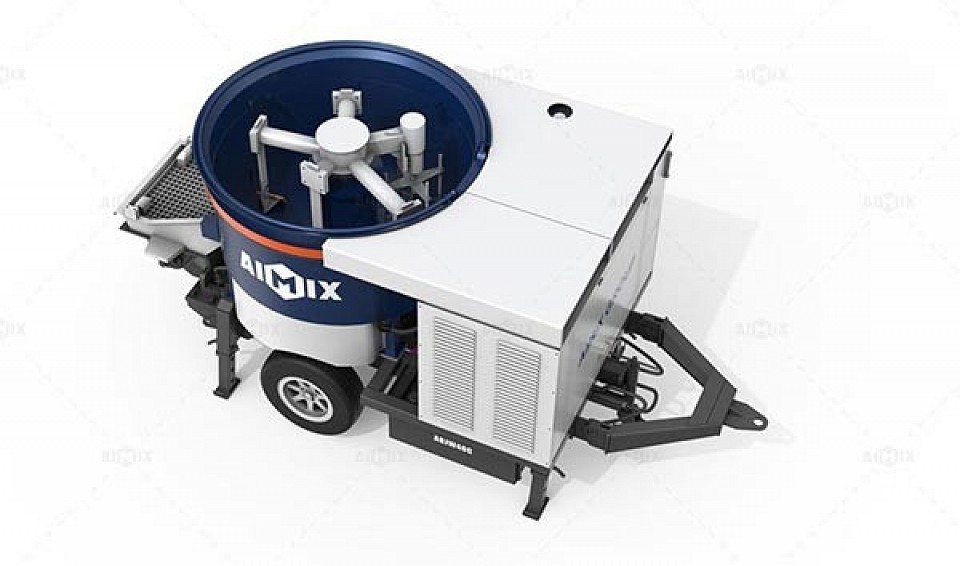
Kenya: Concrete Mixer with Pump for Sale for Residential Buildings and Commercial Complexes
The Kenyan construction sector is undergoing a significant evolution, driven by rapid urbanization, infrastructure development, and a growing emphasis on efficiency. Within this dynamic landscape, the integrated concrete mixer and pump has emerged as a transformative asset for contractors and developers. This equipment, which combines the material batching and mixing capabilities of a transit mixer with the precise placement function of a pump, offers a compelling solution for the unique challenges of building in Kenya. From the dense urban corridors of Nairobi and Mombasa to emerging satellite towns, the demand for faster, cleaner, and more cost-effective concrete placement is accelerating. The availability of these machines for sale represents a strategic opportunity for businesses to modernize their operations, enhance their competitive edge, and profitably undertake a wider range of residential and commercial projects.
Technical Specifications and Project Suitability
The technical configuration of a concrete mixer with pump determines its optimal application within Kenya's diverse project portfolio. For residential construction, particularly multi-storey apartment blocks and gated community developments, machines with mixing capacities of 4 to 7 cubic meters and pumping booms reaching 24 to 32 meters are highly effective. This specification allows contractors to service typical building heights of 4 to 8 storeys from a single, strategically positioned setup, minimizing machine relocation and site congestion. The integrated system enables continuous production and placement directly from the mixing drum, which is critical for casting slabs, columns, and beams without cold joints. For larger commercial complexes, shopping malls, and institutional buildings, higher-capacity models with 8 to 10 cubic meter drums and boom reaches exceeding 40 meters are more appropriate. These units can handle the larger pour volumes and increased structural heights common in such projects, while their advanced hydraulic systems provide the precise control needed for intricate architectural elements and dense reinforcement.
The terrain and site access prevalent in many Kenyan developments further inform the selection criteria. Four-wheel drive chassis and high ground clearance are essential for navigating the often-unpaved or rough access roads found in burgeoning residential zones. Machines equipped with outriggers that provide stability on uneven ground are invaluable. Furthermore, the engine must be robust enough to handle Kenya's varied fuel quality and maintain performance at altitude, particularly for projects in regions like Central Kenya. The pump's ability to handle locally formulated concrete mixes, which may utilize varying aggregate gradations and cement types, is paramount. A machine that offers adjustable pressure settings and a versatile pumping circuit can maintain consistent flow with different mix designs, preventing costly blockages and ensuring structural integrity across diverse project specifications.
Operational Economics and Return on Investment
The economic argument for procuring a concrete mixer with pump in Kenya is founded on a direct displacement of multiple cost centres and a significant acceleration of project timelines. The most immediate saving is the elimination of standalone pumping services, which command premium hourly or cubic meter rates and introduce scheduling dependencies. By internalizing this function, a contractor gains complete control over the placement schedule, eliminating the productivity losses associated with waiting for a third-party pump. Concurrently, material waste is drastically reduced. The batch-for-batch production model ensures that only the precise volume of concrete needed is mixed and placed, eliminating the typical 5-10% waste from ready-mix truck over-ordering and the spoilage of unused material.
The capital investment, while substantial, is justified by the dramatic compression of the construction critical path. The ability to place concrete continuously and precisely translates to faster completion of floor slabs and structural elements. This acceleration enables earlier commencement of follow-on trades like masonry, plumbing, and electrical work, ultimately leading to reduced project financing costs and earlier realization of rental or sales income. For a contractor, this means the ability to complete more projects per year with the same core crew, significantly boosting annual revenue potential. The machine itself, when not deployed on owned projects, can become a revenue stream through hire to other contractors, creating an additional return on the asset. The payback period for a well-utilized machine in Kenya's active market can often be achieved within 12 to 24 months, after which it contributes directly to enhanced profit margins and business scalability.
Strategic Procurement and After-Sales Ecosystem
The decision to purchase a concrete mixer with pump for sale must be informed by a strategic evaluation of the supplier's local support infrastructure, not just the machine's sticker price. The reliability of the equipment is inextricably linked to the availability of genuine spare parts and skilled technical service in Kenya. Leading suppliers have established parts depots in major hubs like Nairobi and Mombasa, ensuring critical components are available without the lead times and currency risks associated with international ordering. The presence of factory-trained service technicians who can perform diagnostics, repairs, and preventative maintenance on-site is a non-negotiable aspect of operational security, directly protecting the owner's investment and project schedules.
Before purchase, a comprehensive assessment of the supplier's commitment is essential. This includes evaluating the terms of the warranty, the availability of operator training programs, and the depth of the provided technical documentation. Financing options offered through the supplier or their local financial partners can make the acquisition viable for growing businesses. Furthermore, the supplier’s ability to provide guidance on optimal machine selection for specific project pipelines demonstrates valuable application expertise. Ultimately, the right procurement decision transforms the equipment from a capital expense into a strategic business asset. It empowers Kenyan contractors to bid more competitively on complex projects, improve their site safety and housekeeping by reducing manual handling, and build a reputation for technical capability and modern construction methodology. In a market increasingly defined by speed, quality, and cost control, owning this integrated technology is a definitive step toward market leadership.
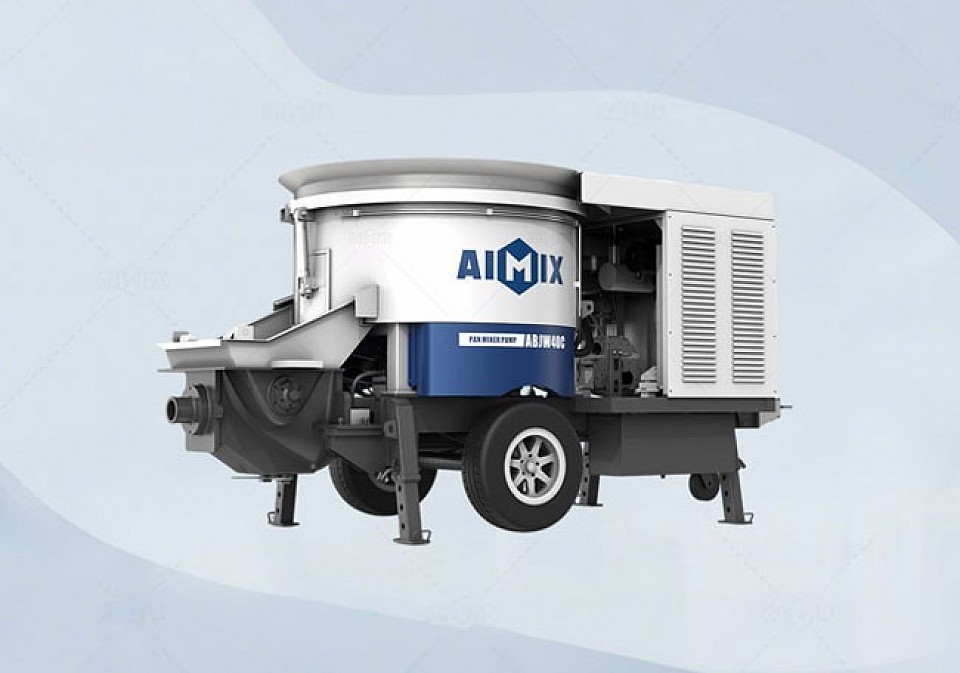
Seals, Gaskets, and Seizing: Preventing Leaks in Concrete Pump Mixer Circuits
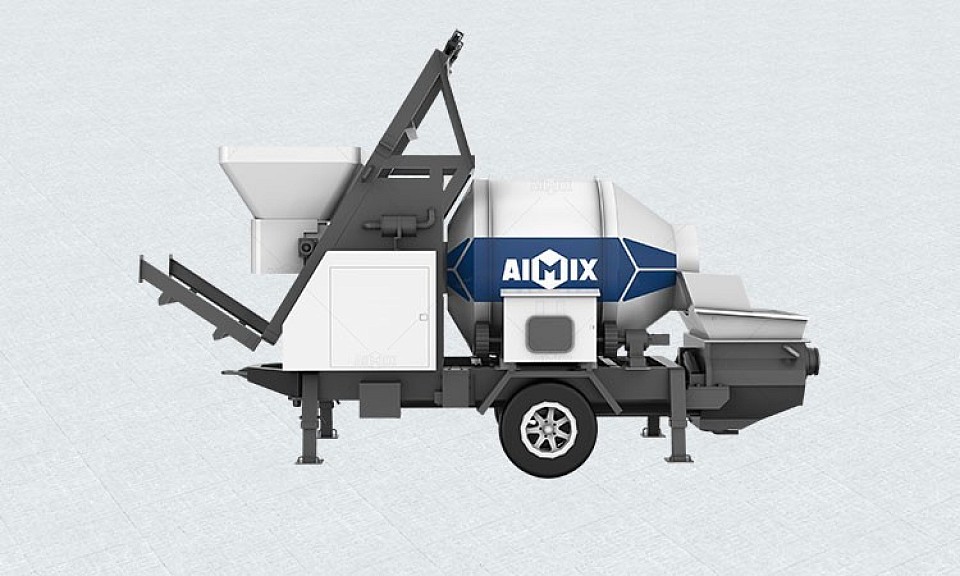
The concrete pump mixer is a masterpiece of hydraulic engineering, a concrete pump mixer machine designed to move a dense, abrasive fluid through a closed system at immense pressure. Its performance, and indeed its very operational viability, depends on a legion of unsung components: seals and gaskets. These humble elements are the sentinels guarding against the catastrophic failure modes of leakage and contamination. A leaking hydraulic circuit loses pressure, compromises control, and pollutes the environment. A leaking concrete circuit leads to pressure loss, inconsistent delivery, and accelerated wear of surrounding components. When moving parts seize—whether from contamination ingress or lubrication failure—production stops abruptly, often requiring extensive and costly repairs. Preventing these failures is not a matter of luck; it is a matter of disciplined, systematic attention to the integrity of every seal and the cleanliness of every fluid path.
The Hydraulic Circuit: Containing Pressure and Excluding Contamination
The hydraulic system is the muscle of the pump mixer, generating the force that drives the concrete pistons and operates the various valves and booms. Its proper function is entirely dependent on maintaining a closed, clean environment. Hydraulic fluid under high pressure will seek the smallest path of escape, and any breach in a seal represents an immediate loss of power and efficiency.
The primary threat to hydraulic seals is contamination. Microscopic particles of dirt, metal wear debris, or water ingress act as an abrasive slurry, grinding away at seal surfaces and scoring the polished rods of hydraulic cylinders. This damage creates bypass paths for fluid, reducing pressure and causing cylinders to drift or operate sluggishly. Prevention begins with discipline at every service interval. Hydraulic fluid must be stored in sealed containers, and fill points must be meticulously cleaned before any top-up. Filters are not optional; they are the kidneys of the system, and they must be changed according to the manufacturer's schedule, not when they appear clogged. Furthermore, the external wiper seals on cylinder rods must be inspected regularly. A damaged wiper allows dust and grit to be drawn past the main seal with every retraction, leading to rapid internal wear and inevitable leakage.
The Concrete Circuit: Abrasion Management and Seal Protection
If the hydraulic circuit operates under pressure, the concrete circuit operates under assault. Concrete is not a benign fluid; it is a suspension of sharp, hard aggregates in a chemically reactive paste. The seals in the concrete circuit—primarily around the piston heads and the S-valve or rock valve—face an extreme environment of abrasion and corrosion.
The most critical interface is between the piston head and the material cylinder. As the piston reciprocates, it must maintain a seal against the cylinder wall to push concrete forward effectively. Worn or damaged piston seals allow concrete slurry to bypass, scouring the cylinder wall and rapidly leading to a condition known as "sanding," where the cylinder becomes rough and further accelerates seal destruction. The solution is proactive monitoring. Operators must be attuned to changes in pumping behavior—a gradual loss of output at constant pressure, or concrete slurry appearing in the hydraulic oil—which are telltale signs of piston seal failure. Replacing these seals on a scheduled basis, based on pumped volume, is infinitely less costly than replacing a scored cylinder or a contaminated hydraulic system.
Preventing Seizure: The Role of Lubrication and Cleanliness
Seizure is the ultimate failure mode, occurring when moving parts are deprived of lubrication or become jammed by solid contaminants. In a pump mixer, seizure can affect the rotating assembly of a gearbox, the pivots of the S-valve, or the bearings of the hydraulic pump.
Preventing seizure requires a two-pronged strategy: adequate lubrication and rigorous contamination control. Every pivot point, every bearing, and every moving joint has a specified lubrication requirement. Automated greasing systems are invaluable, ensuring that critical points receive a measured amount of grease at regular intervals without relying on operator memory. However, these systems must be monitored; a blocked grease line can starve a component for weeks while the portable concrete pump machine continues to operate, leading to eventual seizure. Equally important is maintaining the integrity of the machine's housings and covers. A missing access panel on a gearbox allows dust and grit to mix with the oil, turning it into a grinding paste that will destroy bearings and gears. A simple visual inspection for leaks, loose covers, and damaged seals can prevent a cascade of failures.
Systemic Vigilance: The Operator's Role in Leak Prevention
Ultimately, the most effective defense against leaks and seizures is the attentive operator. The daily walk-around is not a perfunctory exercise; it is a diagnostic opportunity. The operator should visually inspect every accessible seal, hose end, and fitting. A small weep of hydraulic fluid, a smear of grease around a pivot, or a slight accumulation of concrete dust around a seal are not normal. They are early warnings.
The operator's senses are also diagnostic tools. A new noise from the hydraulic pump, a change in the sound of the valve switching, or a slower-than-usual cylinder movement are all signals that internal conditions are changing. Documenting these observations in a daily log creates a trend line that can predict failure. A gradual increase in the time a cylinder takes to extend might indicate internal seal bypass long before any external leak appears. By treating the mini concrete pump machine as a system to be understood, not just operated, the attentive professional ensures that seals remain intact, pressures remain contained, and the relentless cycle of pumping continues without interruption. This vigilance is the ultimate protection against the costly consequences of leakage and seizure.
Mini Concrete Pump Maintenance Costs in Nepal: What Owners Should Budget For
In the breathtakingly rugged terrain of Nepal, where construction sites often cling to hillsides and narrow urban alleyways defy conventional logistics, the mini concrete pump for sale has emerged as an indispensable asset. From the dusty reconstruction efforts in earthquake-affected districts to the relentless vertical expansion in Kathmandu Valley, these compact machines deliver wet concrete with a precision and agility that larger units simply cannot match. Yet, for the Nepali contractor or equipment owner, the acquisition cost is merely the prelude to a more complex financial narrative: the ongoing expenditure of maintenance. The operational reality in Nepal—characterized by inconsistent power supply, abrasive aggregates sourced from local riverbeds, and a scarcity of specialized technicians—imposes a unique wear-and-tear profile on these machines. Failing to anticipate these costs can transform a profitable venture into a financial hemorrhage. A prudent owner must look beyond the pump’s output capacity and develop a granular understanding of the consumables, labor, and downtime that will inevitably nibble away at their bottom line over the machine's lifecycle.
Understanding the Core Consumables and Wear Parts
The most predictable and recurring expenses for any small concrete pump owner in Nepal revolve around the components that directly contact the concrete itself. These are the sacrificial parts, engineered to wear down so that the more expensive hydraulic and engine systems do not. The piston cups, for instance, are subjected to immense friction as they shuttle back and forth within the material cylinder. In Nepal, where the sand can be coarser and less washed than in controlled industrial environments, these cups can degrade rapidly, often requiring replacement every few months depending on usage intensity. Similarly, the S-tube or swing tube—the mechanism that diverts concrete into the delivery hose—experiences significant abrasion. The cost of replacement wear plates and cutting rings, which seal this tube against the outlet, should be a line item in every annual budget. Owners should also account for the delivery hoses themselves. On Nepali sites, these hoses are dragged over sharp rocks and rough concrete, leading to punctures and blowouts. Budgeting for a stock of these consumables, sourced either from Indian suppliers or local dealers in Birgunj or Kathmandu, is not optional; it is essential to prevent project-halting delays when a component inevitably fails on a Monday morning.
Budgeting for Hydraulic System Integrity and Fluid Maintenance
While the wear parts handle the concrete, the hydraulic system is the nervous system and musculature of the pump, and its maintenance carries a different, often more expensive, cost structure. The hydraulic oil is the lifeblood of the machine. In Nepal's diverse climate—from the humid Terai to the cold hills—hydraulic fluid can degrade or change viscosity, leading to inefficient pumping or component seizure. A strict schedule of oil changes, perhaps every 500 to 1,000 operating hours, is a non-negotiable cost. Furthermore, the quality of hydraulic filters is paramount. Using substandard filters to save a few hundred rupees is a false economy; a collapsed filter can send contaminants cascading through the system, scoring valve spools and destroying expensive pumps. Owners must also budget for the eventual replacement of hydraulic hoses. These high-pressure lines are subject to constant flexing and exposure to the elements. In Nepal, where UV radiation at high altitudes is intense, rubber hoses can perish and crack. A single burst hose not only means the cost of the replacement part and new oil but also the cost of cleanup and the reputational damage of a project delay. Proactive replacement of aging hoses is a wise, albeit sometimes difficult, budgetary practice.
Accounting for Site Conditions, Downtime, and Skilled Labor
The final, and often most variable, category of maintenance cost in Nepal is tied directly to the idiosyncrasies of the local construction environment. Power fluctuation is a prime example. When the mains electricity surges or cuts out, it places immense strain on the electric motors that drive many mini concrete pumps in Nepal. Without proper phase guards or soft starters—which themselves represent an upfront cost—a voltage spike can burn out a motor winding, necessitating a costly and time-consuming rewind at a specialized workshop in cities like Pokhara or Biratnagar. Furthermore, the availability of skilled mechanics is a genuine budgetary concern. Unlike in more industrialized nations where factory-trained technicians are a phone call away, Nepali owners often rely on local mechanics whose experience is based on trial and error. While their labor rates may be lower, the risk of misdiagnosis or improper repair can lead to secondary failures. Therefore, a portion of the maintenance budget should be allocated to preventative measures: investing in operator training to ensure the machine is used correctly, and potentially flying in or contracting a specialized technician annually for a comprehensive machine health check, which can preempt catastrophic failures that would otherwise derail an entire construction season.
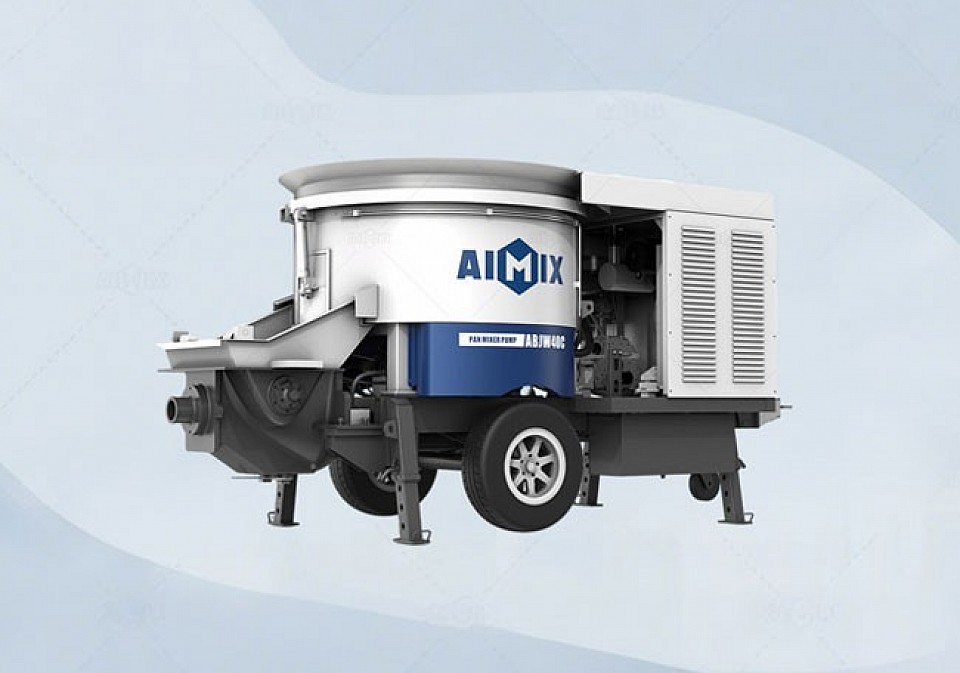
The Decision Framework: Choosing Mini Concrete Pumps in Dubai, UAE
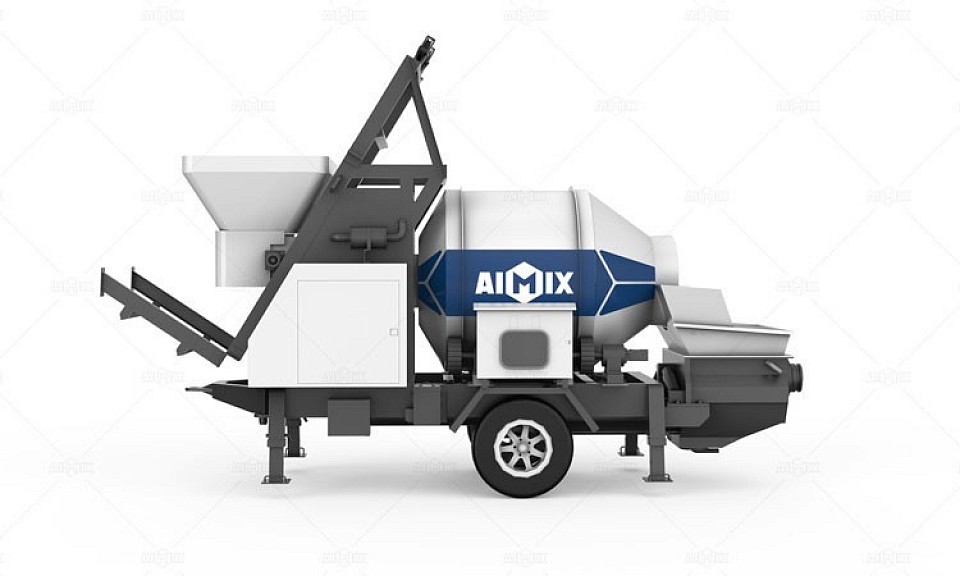
Dubai is a city of concrete. Pavilions, towers, villas, and infrastructure. The demand for concrete placement equipment is relentless. Mini concrete pumps have carved a significant niche in this market. They are smaller than truck-mounted pumps. They are more capable than wheelbarrows. They fit where larger machines cannot go. The selection process, however, is not simple. Dozens of brands. Hundreds of configurations. Prices that vary by 50 percent for seemingly identical machines. This article provides a decision framework. It is not a list of brands. It is a method. A way to think about your requirements, your site constraints, and your budget. The passionate argument is that the right mini concrete pump for sale is not the cheapest or the most expensive. It is the one that matches your specific application. Let us build that framework together.
Define Your Operating Envelope
The first variable is volume. How many cubic meters of concrete do you need to place per hour? Per day? A mini pump suitable for a villa foundation may be inadequate for a commercial slab. A pump sized for a high-rise core may be oversized for a garden wall. Calculate your peak pour rate. A 10-cubic-meter slab poured over 4 hours requires 2.5 cubic meters per hour. That is within the range of a small mini pump (10-15 cubic meters per hour). A 50-cubic-meter foundation poured over 5 hours requires 10 cubic meters per hour. That requires a larger pump (20-30 cubic meters per hour). The analytical approach is to size the pump to your peak demand, not your average demand. A pump that is too small will cause delays. A pump that is too large wastes capital.
The second variable is reach. How high do you need to pump? How far horizontally? A mini pump's specifications will list a maximum vertical distance and a maximum horizontal distance. These numbers are theoretical. In practice, the achievable reach is lower. A pump rated for 50 meters vertically may manage 40 meters with a standard mix. A pump rated for 80 meters horizontally may manage 60 meters. The analytical buyer adds a safety margin. If your building is 4 stories (12 meters), specify a pump rated for 20 meters vertically. If your site requires a 50-meter hose run, specify a pump rated for 70 meters horizontally. The cost of a pump with greater reach is modest. The cost of a concrete pump in Dubai, UAE that cannot reach the pour point is significant.
Evaluate Site Constraints
Dubai's construction sites vary from open desert to narrow urban alleys. A trailer-mounted mini pump requires a vehicle to tow it. A skid-mounted pump requires a crane to lift it. A self-contained unit with its own wheels can be moved by hand or by a small tractor. The analytical buyer considers the site access. Will a trailer fit through the gate? Is there space to turn? Is the ground firm enough for the weight? A pump that cannot be positioned correctly cannot do its job. The passionate advice is to visit the site before selecting the pump. Measure the gate. Inspect the ground. Identify the pump location. Then select a machine that fits.
The third site constraint is power. Dubai has reliable grid electricity on most sites. An electric mini pump costs less to operate. It is quieter. It produces no exhaust. The limitation is the need for a three-phase power outlet. If the site has three-phase power, an electric pump is the logical choice. If the site is remote or the power is single-phase, a diesel pump is necessary. The analytical buyer compares the total cost. An electric pump may cost $5,000 less to purchase. It will save $2,000 to $5,000 per year in fuel. The payback period is immediate. The passionate advice is to choose electric whenever possible. The exception is sites where power is unreliable or unavailable.
Compare Total Cost of Ownership
The purchase price is the most visible cost. It is not the most important. A cheap pump with poor fuel efficiency, high wear part consumption, and limited support will cost more over five years than an expensive pump with low operating costs. The analytical buyer calculates the total cost of ownership. Add the purchase concrete mixer with pump price. Add the estimated fuel cost over five years (litres per hour times hours per year times fuel price). Add the estimated wear part cost (pistons, seals, hoses). Add the estimated maintenance labour. The result is the true cost. The pump with the lowest total cost of ownership is the best value, regardless of the purchase price.
The final element of total cost is support. A pump from a manufacturer with a Dubai-based service centre and a stocked parts warehouse will have lower downtime than a pump from a distant supplier. The analytical buyer investigates before purchasing. Where is the nearest service centre? What is the typical response time for a service call? What spare parts are stocked locally? The passionate advice is to pay a premium for local support. The extra cost is insurance. The insurance pays for itself the first time a breakdown occurs. A pump that is repaired in one day loses one day of revenue. A pump that waits two weeks for parts loses two weeks of revenue. The calculation is simple. Local support is not an expense. It is an investment in uptime.
The final passionate argument is this. Choosing a mini concrete pump in Dubai is not a mystery. It is a process. Define your volume and reach. Evaluate your site constraints. Calculate total cost of ownership. Prioritise local support. Answer these questions honestly. The right pump will become clear. It will not be the cheapest. It will not be the most expensive. It will be the pump that fits. That pump will make you money. That pump will make your projects easier. That pump is the right choice. Go find it.
Mobility + Power: Mobile Concrete Pump Equipment for Underground Pouring
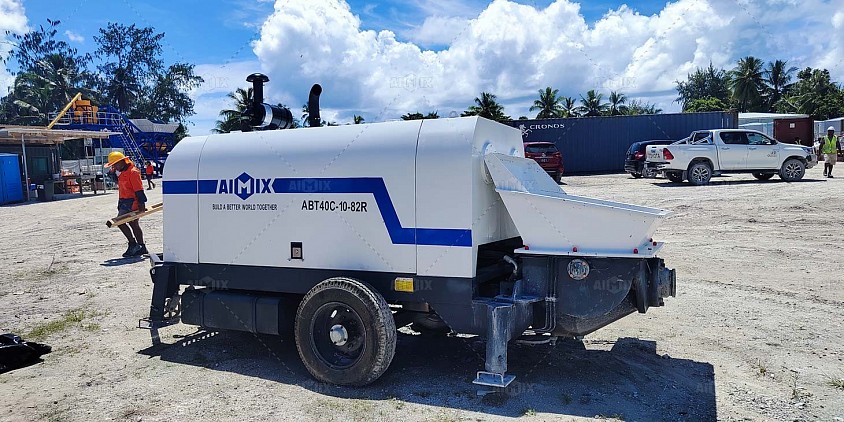
Underground construction is a different world. The ceilings are low. The air is damp. The access is narrow. You cannot drive a standard concrete pump down a mine decline or a tunnel access ramp. You need a machine that is compact enough to fit, powerful enough to pump, and durable enough to survive the environment. That machine exists. It is the mobile pump concrete designed specifically for underground work. This article describes the features that make these pumps suitable for tunnels, mines, and subterranean infrastructure projects. The tone is matter of fact. The style is conversational. The goal is to help you select equipment that will perform reliably below ground.
Compact Dimensions and Underground Mobility
Low Profile and Narrow Width
Underground spaces are tight. A typical tunnel may be 3 to 5 metres wide. The height may be 2.5 to 4 metres. A standard truck-mounted pump is too tall. It is also too wide. A mobile underground pump is different. The height is often under 2 metres. The width is under 2 metres. The machine can navigate through access drifts and tunnels that would stop standard equipment. The formal observation is that the dimensions are not arbitrary. They are based on common underground clearance standards. A pump that fits through a 2 metre by 2 metre opening can access the majority of underground construction sites. The buyer should verify the dimensions of their specific access routes before selecting a machine.
Diesel or Electric Power
Underground pumps are available with diesel or electric power. Diesel offers mobility. The machine can move without trailing a power cable. The trade-off is ventilation. Diesel engines produce exhaust gases. The underground space must be ventilated to remove these gases. Electric pumps produce no exhaust. They are quieter. They are cleaner. The trade-off is the cable. The machine must drag a power cable behind it. The cable can be damaged by sharp rocks or by the machine running over it. The formal recommendation is to use electric pumps in tunnels with limited ventilation. Use diesel concrete mixer pump for sale in spaces with adequate airflow. Some manufacturers offer hybrid configurations. The machine runs on electric power for pumping and diesel power for relocation.
Pumping Capability in Confined Spaces
Pressure and Distance
Underground pours often require pumping over long distances. A tunnel lining may be poured from a single location, with concrete pumped 200 metres or more through a pipeline. The pump must generate sufficient pressure to overcome friction losses. A standard mobile pump with 40 bar of pressure may be adequate for 100 metres. A pump with 60 bar may be needed for 200 metres. The formal observation is that the pipeline configuration also matters. Bends create additional resistance. A horizontal pipeline with few bends is easier to pump than one with multiple bends. The contractor should layout the pipeline to minimise bends before calculating pressure requirements.
Aggregate Size and Pump Compatibility
Underground concrete is often pumped with coarse aggregate. Shotcrete and tunnel lining mixes may contain aggregate up to 16 millimetres or 20 millimetres. The pump's cylinders and valves must be sized to handle this aggregate. A pump designed for 16 millimetre aggregate may not pass a 20 millimetre rock. The rock will lodge in the valve. The pump will block. The formal recommendation is to specify the maximum aggregate size to the pump manufacturer. The pump's valve type also matters. An S-valve handles larger aggregate than a swing valve. The S-valve is also more expensive. The buyer must balance cost against capability.
Durability and Maintenance
Underground Corrosion Protection
Underground environments are often damp. Water seeps through rock. Humidity is high. Standard paint systems will fail. The pump will rust. The electrical components will corrode. Mobile underground pumps should be finished with a marine-grade or epoxy coating. The electrical enclosures should be rated IP65 or higher. The formal observation is that stainless steel is ideal for exposed components. It is also expensive. A more practical approach is to specify galvanised steel for structural parts and stainless steel for fasteners and small brackets. The operator should wash the machine regularly to remove mud and salts.
Service Access and Modular Design
Underground maintenance is difficult. The space is tight. The lighting is poor. The concrete pump portable should be designed for easy service access. The panels should be removable with common tools. The grease fittings should be reachable without crawling under the machine. The formal recommendation is to select a pump with a modular design. The engine, pump, and control system should be mounted on a removable skid. The skid can be lifted out of the underground space for major repairs. The machine can continue operating with a replacement skid. This modularity reduces downtime. It also reduces the risk of injuries during underground maintenance.
The final observation is about training. Underground pumping requires a skilled operator. The operator must understand the effects of pipeline length, bends, and aggregate size on pump performance. They must know how to clean the pump without flooding the tunnel. They must recognise the signs of a blockage before the pipeline bursts. The contractor should invest in operator training. A well-trained operator is the most important component of any underground pumping system. The machine can be replaced. The operator's judgment cannot.
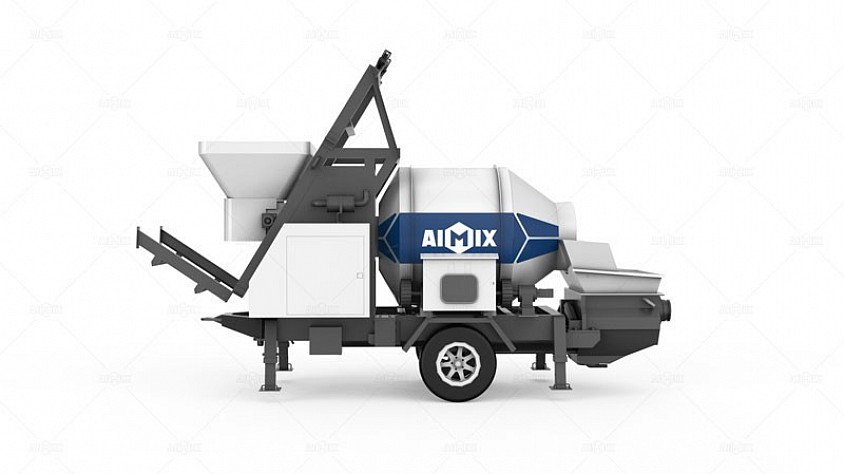
Beyond the Purchase: Warranty, Spare Parts, and Support for Concrete Mixing Pumps in Saudi Arabia
The purchase of a concrete mixing pump represents a significant capital commitment for any construction firm in Saudi Arabia. However, the transaction is not complete upon delivery and commissioning. In many ways, the most critical phase of the ownership lifecycle begins after the concrete mixer with pump machine arrives on site. The true value of the investment is realized not in the moment of purchase, but over thousands of hours of reliable operation. This post-purchase period is governed by three interconnected pillars: the warranty that protects against manufacturing defects, the after-sales support infrastructure that ensures timely assistance, and the availability of genuine spare parts that sustain performance. Neglecting to evaluate these elements before purchase is a common and costly error. This guide provides a structured framework for assessing these critical post-purchase considerations, empowering Saudi buyers to make decisions that deliver long-term value, not just a competitive initial price.
Deciphering Warranty Terms: Protection Beyond the Paper
The warranty document is more than a formality; it is a binding commitment from the supplier regarding the durability and reliability of their equipment. However, not all warranties offer equivalent protection, and the language used can obscure significant limitations.
A robust warranty must clearly define its scope. Does it cover both parts and labor? What is the duration of coverage for each major component category—the diesel engine, the hydraulic pump, the mixer drum, and the concrete pumping system? These components have different expected lifespans, and a single, blanket warranty period is often insufficient. Buyers should scrutinize the list of exclusions. Wear parts, such as mixer blades, pump wear plates, cutting rings, and rubber hoses, are typically excluded due to their consumable nature. This is standard practice, but the warranty should explicitly state this. Critically, the warranty must specify the claims process. Who bears the cost of shipping a failed component back to the factory for inspection? Is there a provision for advance replacement to minimize downtime? A warranty that requires the buyer to bear significant logistical costs and endure weeks of waiting for a claim resolution offers little practical value. The most trustworthy suppliers offer a clear, simple warranty claim process with defined response times and local resolution authority.
After-Sales Support Infrastructure: The Safety Net
The existence of a local after-sales support network is the single most important differentiator between a genuine capital asset and a potential liability. A portable concrete pump without accessible technical support is a machine that will inevitably experience costly, prolonged downtime.
The evaluation of after-sales support begins with the physical presence of the supplier. Does the manufacturer or their authorized dealer maintain a permanent office, service center, and parts depot within Saudi Arabia? A representative based overseas with periodic visits is not an adequate support structure. Inquire about the number of factory-trained technicians on staff and their geographic coverage. Can they dispatch a technician to your site in Jeddah, Riyadh, or Dammam within 24 hours? Request details on their diagnostic capabilities. Do they possess the specialized software and tools to troubleshoot the machine's electronic control system remotely or on-site? The availability of remote diagnostics can often resolve minor issues without a physical visit, representing a significant efficiency advantage. Furthermore, assess the supplier's commitment to training. Do they offer comprehensive operator and maintenance training as part of the purchase package? A well-trained operator is the first line of defense against many common problems, and this training should be a standard offering, not a costly add-on.
Genuine Spare Parts: The Lifeblood of Reliability
The availability of genuine spare parts is the practical expression of after-sales support. When a component fails, the speed with which a replacement can be obtained directly dictates the duration of operational downtime.
Before finalizing a purchase, verify the local inventory of critical spare parts. The supplier should maintain a stock of high-wear, high-failure items within the Kingdom. This includes, at a minimum: a full set of wear parts for the pumping system (wear plates, cutting rings, S-tube seals), hydraulic hoses of common sizes and lengths, filter elements (oil, fuel, hydraulic), and major engine service parts. Inquire about their parts ordering process. Is there an online portal or a dedicated parts hotline? What are their standard and emergency shipping times for items not held in local stock? A supplier who can guarantee 48-hour delivery of a critical component from their regional hub is providing a tangible economic benefit. Be wary of suppliers who encourage the use of non-genuine or "will-fit" replacement parts. While cheaper initially, these parts are manufactured to lower tolerances and with inferior materials, leading to accelerated wear, reduced performance, and potential damage to adjacent components. The long-term cost of using non-genuine parts invariably exceeds any short-term savings.
Total Cost of Ownership: The Synthesis of Post-Purchase Factors
The ultimate measure of a purchasing decision is the Total Cost of Ownership (TCO) over the operational life of concrete pump for sale in Saudi Arabia. The warranty, after-sales support, and parts availability are not abstract concepts; they are direct inputs into this TCO calculation.
A machine with a lower purchase price but a weak warranty, no local support, and a poor spare parts supply chain will have a higher TCO than a machine with a higher initial cost but robust post-purchase infrastructure. The calculation must include the cost of potential downtime. If a machine is out of service for two weeks awaiting a part and a technician, the cost of that downtime—idle labor, delayed project milestones, potential penalties—can easily exceed the initial price difference. Conversely, a machine supported by a local dealer with immediate parts access and rapid technical response minimizes this downtime risk. The value of this risk mitigation is a genuine economic benefit that should be quantified. Therefore, the procurement decision should be based on a holistic evaluation. Request from your shortlisted suppliers detailed information on warranty terms, local support infrastructure, and parts inventory. Build this information into your financial model. The supplier who offers the most credible, comprehensive post-purchase package is not selling equipment at a premium; they are selling reliability, and reliability is the foundation of profitability in the demanding Saudi construction market.
Why a Concrete Pump Mixer Can Replace Two Machines and Cut Equipment Costs
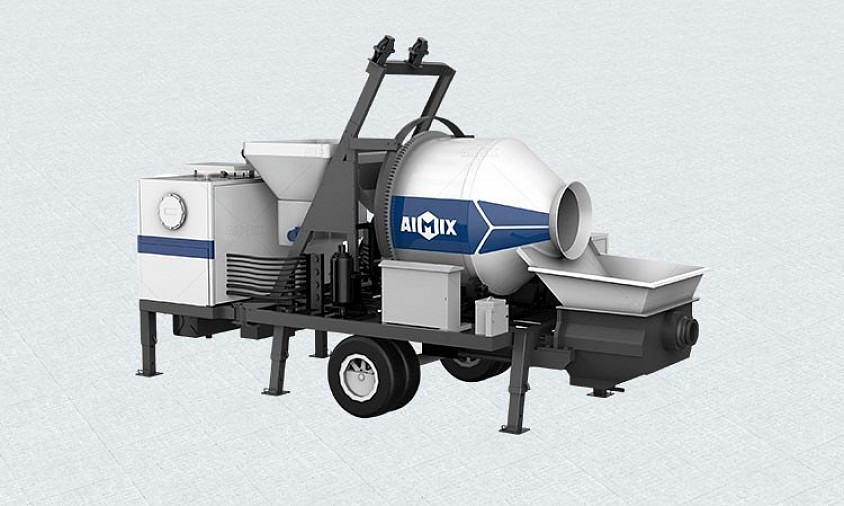
Construction equipment fleets represent one of the most substantial capital commitments a contracting business will undertake. Every additional machine purchased introduces compounding obligations: acquisition cost, maintenance overhead, operator staffing, transportation logistics, and yard space. Against this backdrop, the concrete pump mixer has emerged as a quietly transformative piece of equipment, consolidating two historically separate functions — mixing and pumping — into a single integrated unit. For contractors evaluating fleet composition with genuine financial discipline, understanding precisely how this consolidation translates into cost reduction is essential to making sound procurement decisions.
Understanding the Functional Consolidation of a Concrete Pump Mixer
Combining Mixing and Pumping Into a Single Operational Unit
A concrete pump mixer integrates a rotating mixing drum with a hydraulically actuated pumping mechanism, typically configured around a piston or rotor-stator pumping system capable of conveying freshly mixed concrete through delivery pipework directly to the placement point. Traditionally, these two functions required separate machines: a transit or drum mixer to produce the concrete, and a standalone trailer-mounted or truck-mounted pump to convey it across distance or elevation. By housing both capabilities within a single chassis, the concrete pump mixer eliminates the intermediate handling step where mixed concrete must be transferred from mixer to pump hopper — a transfer point historically associated with material wastage, workability loss, and additional labour deployment. This functional unification is not a cosmetic engineering choice; it represents a fundamental rethinking of how concrete moves from raw constituents to final placement.
Engineering Considerations Behind Dual-Function Performance
Achieving reliable dual-function performance demands careful engineering calibration. The mixing drum must produce concrete of sufficiently uniform consistency and appropriate slump to ensure pumpability, while the pumping mechanism must accommodate variable aggregate sizes without excessive wear or blockage risk. Leading manufacturers address this through reinforced drum linings resistant to abrasive aggregate interaction, hydraulic systems calibrated for the higher pressure demands of pumping operations, and control interfaces that allow operators to synchronise mixing cycles with pumping output rates. The resulting machines demonstrate that mechanical consolidation, when engineered with appropriate rigour, need not compromise performance in either constituent function — a principle that distinguishes premium pump mixers from inferior hybrid designs prone to operational compromise.
Quantifying the Financial Benefits of Equipment Consolidation
Reduced Capital Expenditure and Acquisition Efficiency
The most immediately apparent financial benefit of a concrete pump with mixer for sale lies in capital expenditure avoidance. Procuring a standalone mixer and a separate concrete pump typically requires a combined capital outlay substantially exceeding that of an integrated pump mixer unit of comparable capacity. This differential arises because manufacturers achieve component sharing efficiencies — chassis structures, hydraulic power units, and engine systems serve dual functions rather than requiring duplicate provisioning across two separate machines. For contractors operating with constrained capital budgets or seeking to preserve borrowing capacity for other operational priorities, this acquisition efficiency represents meaningful financial latitude. Smaller contracting businesses, in particular, gain access to pumping capability that might otherwise remain financially unattainable as a standalone investment.
Lower Recurrent Costs Across Maintenance, Staffing, and Logistics
Beyond initial acquisition savings, the recurrent cost advantages of equipment consolidation accumulate steadily across the operational lifespan of the machine. A single integrated unit requires one engine, one hydraulic system, and one set of wear components to maintain, rather than the duplicated maintenance burden imposed by two separate machines. Operator staffing requirements similarly contract; a single trained operator can manage the complete mixing-to-placement workflow, eliminating the coordination overhead and additional payroll obligation associated with operating mixer and pump as distinct units under separate operator control. Transportation logistics benefit comparably. Mobilising one machine to a project site, rather than coordinating the simultaneous transport and positioning of two separate units, reduces haulage costs, site congestion, and the scheduling complexity that multi-machine deployments inevitably introduce, particularly on constrained urban sites where equipment access corridors are limited.
Strategic Implications for Fleet Planning and Project Economics
Enhanced Utilisation Rates and Reduced Idle Capital
Equipment utilisation — the proportion of time a machine generates productive output relative to total ownership duration — is a critical determinant of fleet profitability. Standalone pumps frequently suffer from underutilisation on smaller projects where mixing requirements do not justify continuous pump deployment, leaving expensive capital equipment idle for extended periods. A concrete pump mixer circumvents this inefficiency by remaining productively engaged across both functional roles, whether a project demands intensive pumping over extended pipe runs or straightforward mixing for direct discharge applications. This versatility translates into superior asset utilisation rates, reducing the idle capital exposure that erodes fleet return on investment and strengthening the financial justification for the equipment across diverse project typologies.
Implications for Smaller Contractors and Remote Project Sites
The cost advantages of mini concrete pumps for sale carry particular significance for smaller contracting businesses and projects situated in locations where mobilising multiple heavy machines presents logistical or financial difficulty. Remote infrastructure projects, rural building developments, and contractors operating with lean equipment fleets all stand to benefit disproportionately from consolidated machinery that delivers comprehensive concrete handling capability without the duplicated overhead of separate mixing and pumping assets. As construction markets across emerging economies continue to favour capital efficiency and operational flexibility, the concrete pump mixer is positioned not as a niche specialty machine, but as an increasingly central component of intelligently structured equipment fleets — one capable of delivering comprehensive functional capability while meaningfully restraining the equipment cost burden that so often constrains contractor profitability.