
Rock Crushing Solutions
Innovative Features to Look For in Modern Gravel Crusher Machines
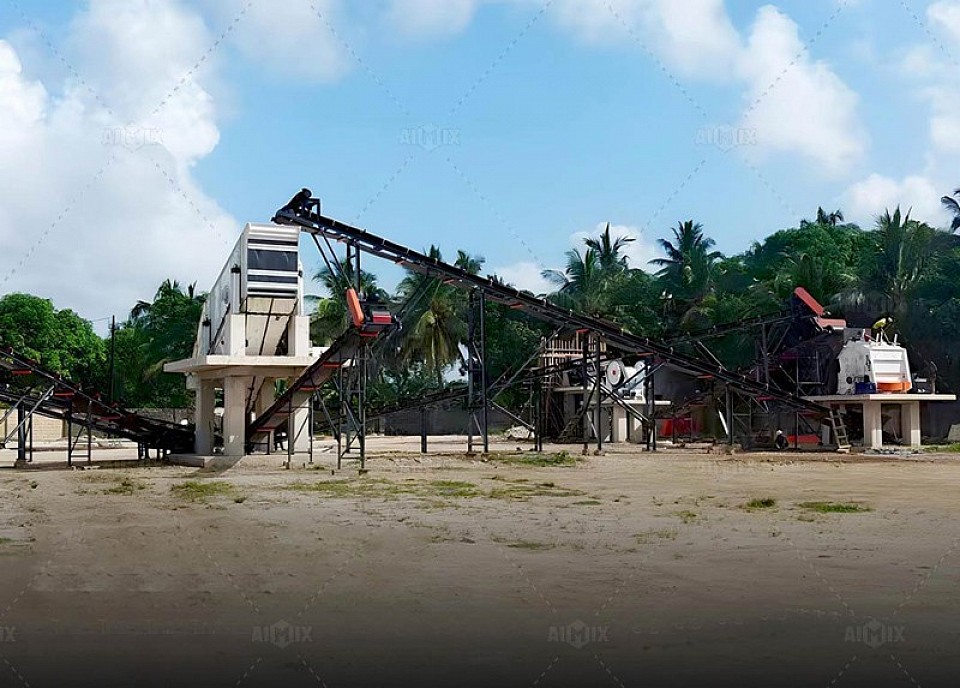
The selection of gravel crushing equipment has evolved beyond basic considerations of throughput and power. Modern crushers incorporate a suite of innovative engineering features designed to address the fundamental economic and operational challenges of aggregate production: efficiency, durability, and flexibility. These advancements are not mere incremental improvements but represent a paradigm shift towards intelligent, resilient, and highly adaptable processing systems. A thorough evaluation of potential machinery must now extend to an analysis of these integrated features, which collectively determine the long-term cost-per-ton, operational uptime, and the ability to meet diverse market specifications. This examination identifies the critical innovative functionalities that distinguish contemporary gravel crusher machine as sophisticated production assets rather than simple comminution tools.
Intelligent Automation and Process Control Systems
A primary differentiator in modern crushers is the level of embedded intelligence governing their operation. Advanced automation transcends basic start-stop sequences, implementing sophisticated process control that optimizes performance in real time. This is often achieved through load-regulation systems that monitor the crusher's power draw and hydraulic pressure. These systems dynamically adjust the feed rate via the apron feeder or vibrating grizzly to maintain the crusher within its optimal volumetric and mechanical efficiency envelope. This prevents both energy-wasting under-load conditions and the damaging stress of overloads, ensuring consistent output while protecting the machinery's internal components.
Furthermore, integrated telemetry and remote monitoring platforms have become essential. These systems provide a continuous stream of operational data—including production tonnage, engine performance metrics, bearing temperatures, and wear part status—to a centralized dashboard. This capability enables predictive maintenance strategies. By analyzing trends in vibration or temperature, operators can anticipate component failures before they occur, scheduling interventions during planned downtime. Remote diagnostics also allow technical support personnel to assess machine health and even adjust certain parameters from an off-site location, drastically reducing the mean time to repair and enhancing overall fleet management efficiency.
Enhanced Durability and Maintenance Engineering
The harsh, abrasive nature of gravel processing demands relentless focus on durability and serviceability. Innovations in this domain directly attack the major cost centers of wear part consumption and maintenance labor. Significant advancements are evident in wear part metallurgy and design. Manufacturers now utilize composite materials, such as ceramic inserts within manganese steel matrices, for liners, blow bars, and jaw dies. These composites offer exceptional resistance to abrasion, dramatically extending service life. Coupled with this is the proliferation of quick-change, modular wear part assemblies. Hydraulic-assisted toggle plate adjustment on jaw crushers or cartridge-style bearing housings allow for rapid component replacement, minimizing crusher downtime from hours to minutes.
Machine construction has also evolved to enhance longevity. Sealing technologies have improved to prevent the ingress of dust and fines into critical bearing and lubrication systems, a primary cause of premature failure. Labyrinth seals and positive-pressure grease purging systems are now common in high-performance models. Additionally, structural designs emphasize ease of access. Aggregate crushers are engineered with strategically placed service platforms, large access doors, and designed component clearances that facilitate routine inspections and servicing without requiring extensive disassembly, thereby encouraging proactive maintenance and ensuring sustained operational integrity.
Versatility and Material Adaptability Features
The economic viability of a crushing operation often hinges on its ability to process a variety of feed materials and produce multiple product specifications. Modern granite crushers are designed with inherent versatility. A key innovation is the multi-functional crusher chamber, particularly in cone crushers. Through adjustable eccentric throws, hydraulic setting adjustment, and interchangeable liner profiles, a single machine can be configured for secondary, tertiary, or even quaternary crushing duties. This allows producers to alter the product's shape and size distribution—producing more cubical aggregate for asphalt or a finer product for base materials—without investing in separate, dedicated machines.
Integration is another critical feature. Many modern units incorporate pre-screening modules directly onto the feeder or crusher itself. This "scalping" of fines before the crushing chamber increases effective capacity and reduces wear on the crusher liners. Conversely, integrated closed-circuit designs with an attached recirculating conveyor and screen allow for immediate sizing and re-crushing of oversize material, creating a self-contained, high-yield processing loop on a single chassis. Advanced systems also include programmable logic for automatically managing these circuits, adjusting crusher settings and conveyor speeds based on real-time feedback from the screening stage. This holistic approach to material flow management maximizes yield, ensures product consistency, and provides the operational flexibility required to respond swiftly to changing project demands or material characteristics.
Tech Innovations in Granite Crushing: How AI and Machines Are Transforming the Industry
The granite crushing industry, historically characterized by high-energy mechanical processes and operator-dependent quality control, is undergoing a profound technological metamorphosis. The convergence of artificial intelligence, advanced sensor networks, and machine learning algorithms is transitioning aggregate production from a brute-force operation to a sophisticated, data-driven manufacturing discipline. These innovations are not merely incremental improvements to existing machinery; they represent a fundamental re-engineering of the entire production workflow. The objective is no longer simply to reduce rock size, but to do so with maximal efficiency, minimal waste, and precise control over the final product's physical characteristics. This technological infusion directly addresses core industry challenges: unpredictable wear costs, energy intensity, and the variability of a naturally heterogeneous feed material. The implementation of these systems marks a shift towards autonomous, optimized, and predictable production environments.
Precision Comminution: AI-Driven Optimization of the Crushing Process
The primary application of AI in granite crushing lies in the real-time optimization of the comminution process itself. Modern crushers are now equipped with a suite of sensors monitoring variables such as main shaft power draw, hydraulic pressure, chamber pressure (in cone crushers), vibration amplitude, and feed rate. An AI layer synthesizes this multivariate data stream, creating a dynamic model of the granite crusher machine's operational state. This system can detect subtle changes in feed material properties—such as a shift from a more fissured to a more massive granite type—by analyzing the power signature and vibration patterns.
Based on this continuous analysis, the AI can autonomously adjust key parameters. It can modulate the crusher's closed-side setting (CSS) or the hydroset in a cone crusher to maintain a target product size distribution despite variations in feed. More advanced systems can control the feed rate via the apron feeder or vibrating grizzly to ensure the crusher operates within its optimal volumetric and power efficiency envelope, preventing both under-utilization and damaging overloads. Furthermore, this sensor fusion enables true predictive maintenance. The AI learns the acoustic and vibrational fingerprint of healthy bearings, gears, and liners. By identifying deviations indicative of incipient failure—such as the specific frequency signature of a bearing spall—the system can schedule component replacement during planned downtime, transforming maintenance from a reactive cost center to a proactive, planned activity that maximizes equipment availability.
Automated Quality Control and Product Stream Management
Beyond the crusher, AI and machine vision are revolutionizing quality assurance. Traditional sieve analysis is a lagging indicator, providing data long after the material has been processed and stockpiled. Modern plants deploy high-resolution camera systems and laser scanners over conveyor belts. Computer vision algorithms, trained on thousands of images, analyze the particle flow in real-time. They can estimate size distribution, quantify the percentage of flaky or elongated particles, and even identify and classify non-granite contaminants (e.g.,metal, or wood) within the product stream.
This real-time analysis creates a closed-loop control system. If the vision system detects an increase in oversize material, it can signal the crusher's AI to adjust the CSS. If the flakiness index exceeds specification, it can trigger an adjustment in aggregate crusher parameters or a change in the feed blend. Contaminants can be automatically identified, and their location tracked, enabling downstream robotic arms or air blasts to reject them from the product stream. This level of instantaneous quality control ensures a consistent, specification-grade product and eliminates the cost of re-crushing out-of-spec material or the reputational damage of shipping inferior aggregate.
Systemic Integration and Fleet-Wide Operational Intelligence
The ultimate power of these innovations is realized through systemic integration. Individual smart machines—crushers, screens, conveyors—are networked via Industrial Internet of Things (IIoT) platforms. Data from every stage of the process, from the quarry face to the final stockpile, is aggregated into a central data lake. Plant-wide AI can then perform holistic optimization, balancing the entire circuit for maximum throughput and energy efficiency. It can identify bottlenecks, such as a screen deck that is consistently overloaded, and recommend operational changes or capital upgrades.
This integration facilitates the creation of a digital twin—a virtual, dynamic model of the entire crushing plant. Engineers can use this twin to simulate the impact of changes, such as introducing a new feed material or testing a new liner profile, without interrupting physical production. The digital twin can also be used for immersive operator training in a risk-free virtual environment. Furthermore, data anonymized and aggregated from multiple sites can create fleet-wide intelligence, allowing operators to benchmark performance against industry best practices and identify underperforming assets. In this fully realized model, a granite crushing operation evolves into a cognitive system where machines self-optimize, quality is autonomously assured, and strategic decisions are guided by comprehensive, real-time operational intelligence. This transformation elevates aggregate production from a basic extraction activity to a highly technical, precision-based industry.
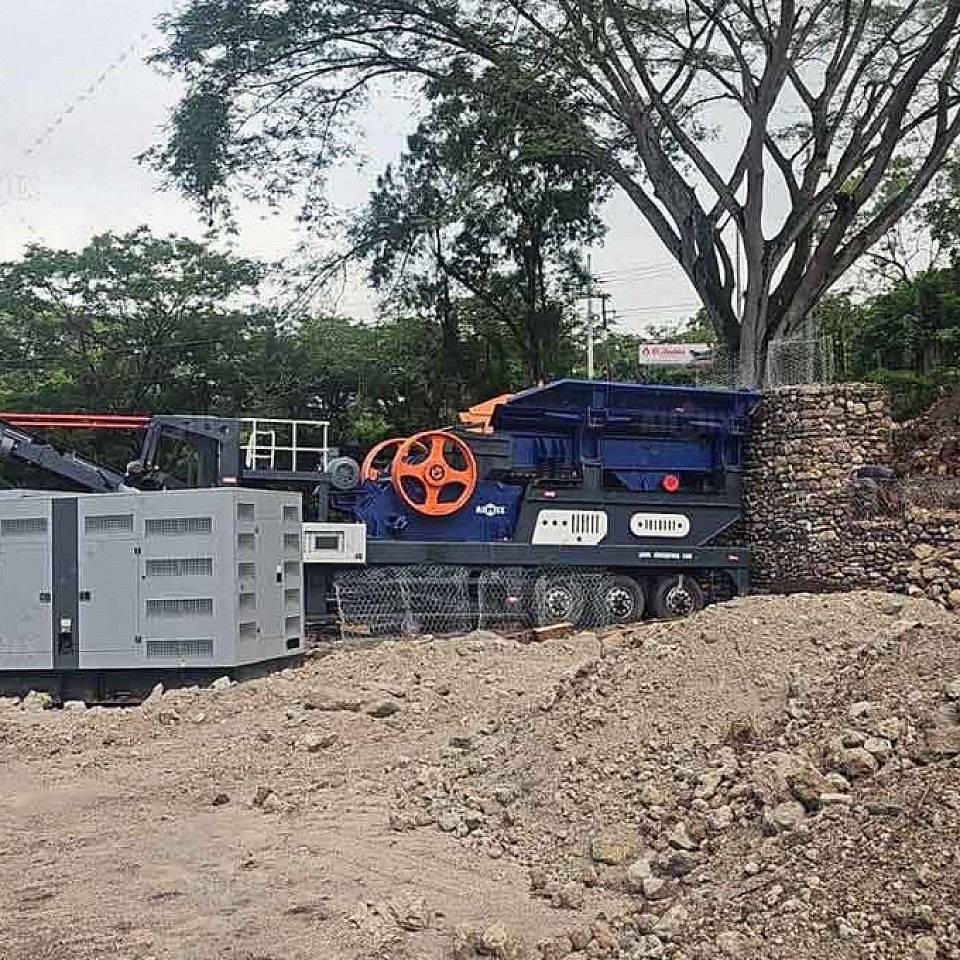
The Smart Entrepreneur's Guide to Mobile Concrete Crusher Prices: Is It Worth the Investment?
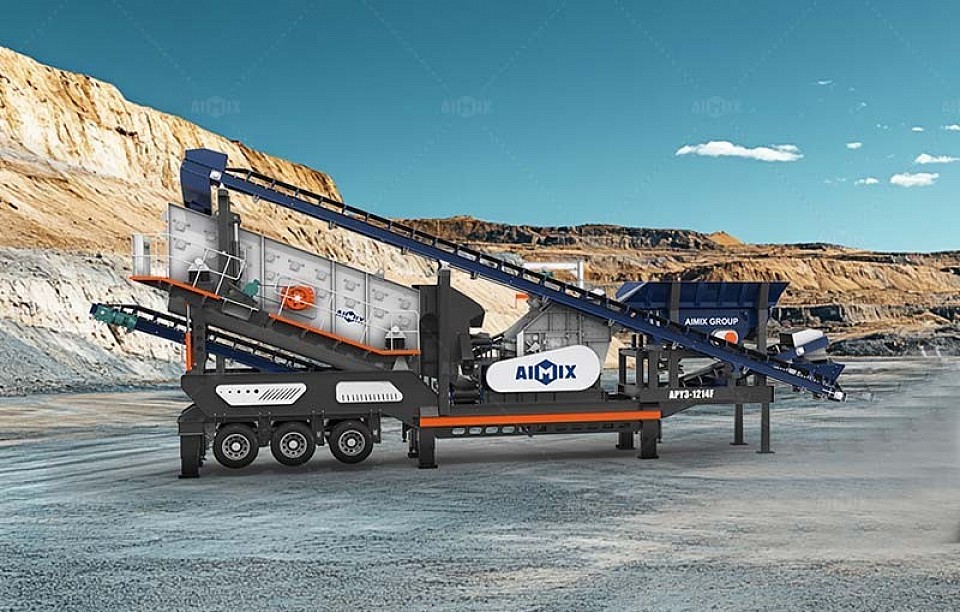
For the entrepreneur evaluating entry into the construction materials or demolition recycling sectors, the mobile concrete crusher presents a compelling yet complex investment proposition. Its inherent promise lies in transforming waste concrete and virgin aggregate into valuable, saleable products directly at the source. However, determining whether the investment is justified requires moving beyond the singular figure of the purchase price. A rigorous, analytical framework is necessary to evaluate this capital asset's true financial viability. This assessment must synthesize the machine's upfront cost with its operational economics, its alignment with your specific business model, and a clear-eyed projection of its revenue-generating capacity. The decision pivots not on whether the machine can crush concrete, but on whether it can do so profitably within your defined market and operational parameters.
Deconstructing the Investment: Capital Outlay Versus Revenue Potential
The initial purchase price of a mobile crusher is merely the entry point of the financial model. A comprehensive view of capital outlay includes several ancillary costs that are essential for operation. These encompass delivery and commissioning, the initial inventory of critical wear parts (e.g., blow bars, jaw dies, screen meshes), and potentially, the cost of ancillary equipment like an excavator or loader for feeding material. This total capital expenditure must then be weighed against a realistic projection of revenue potential. Revenue streams are typically bifurcated: contract crushing fees, where you are paid to process material on a client's site, and product sales, where you produce and sell recycled concrete aggregate (RCA) or other aggregates from your own feed stock. The pricing for these services and products is highly regional, influenced by local demand for aggregates, landfill tipping fees, and the presence of competitors. An accurate financial model must be grounded in local market research, not theoretical maximums.
Evaluating Core Value Drivers: Technology, Mobility, and Operational Efficiency
The price differential between various portable crushing plantsis a direct reflection of their engineered value drivers, which subsequently dictate their earning capacity and cost control. Key specifications must be analyzed for their economic impact. Throughput, measured in tons per hour, is a primary determinant of revenue velocity. However, a machine's rated capacity must be evaluated against the specific material you intend to process; hard, reinforced demolition concrete will yield lower output than soft limestone. Fuel efficiency, governed by engine tier and overall machine design, is a major operational cost sink over thousands of hours. A more fuel-efficient model, even at a higher purchase price, can realize significant long-term savings.
Furthermore, the design's focus on maintainability directly affects uptime—the most critical metric for profitability. Features like hydraulic adjustment for crusher settings, easy-access service points, and a reliable electronic control system minimize non-productive time. The mobility platform itself is a value center. A robust track-mounted system with good ground clearance and propulsion power enables access to rough or confined sites, expanding your potential contract area versus a less capable, cheaper unit. Investing in superior technology is, in essence, investing in reduced downtime, lower operating costs per ton, and greater operational flexibility, all of which protect your revenue stream.
The Strategic Investment Decision: Risk Mitigation and Return on Investment Timeline
The ultimate question of worth is answered through a formalized Total Cost of Ownership (TCO) analysis projected over a 3-to-5-year period. This model must aggregate all costs: the amortized purchase price, financing interest, insurance, routine maintenance, wear parts consumption, fuel, and labor. This total cost is then divided by the projected total tons processed to establish your cost per ton. Only by knowing this figure can you accurately determine your margin on contract fees or product sales. A machine with a lower sticker price but higher wear parts consumption and fuel usage may have a higher cost per ton, negating its apparent advantage.
Finally, the investment must align strategically with your business model. Are you focusing on lucrative, high-volume landfill diversion contracts, or smaller, residential demolition projects? A large, high-capacity mobile impact crusher is a misaligned investment for the latter. Similarly, your access to consistent feed material—whether through demolition contracts, partnerships with excavation companies, or a designated quarry—must be secured. The greatest machine is a stranded asset without a steady supply of material to process. Therefore, the investment is "worth it" only when a clear pathway exists from capital deployment to consistent, profitable operation, supported by a TCO model that demonstrates a reasonable return on investment timeline, typically targeted between 18 and 36 months for a well-utilized asset. The smart entrepreneur evaluates the mobile crusher not as a piece of machinery, but as a business system whose financial output must unequivocally exceed its total lifetime input.
5 Must-Have Dust Control Systems for Limestone Crushing Operations
Maintaining a limestone crusher site without effective dust control systems is a challenge fraught with operational and environmental risks. Dust generated during crushing and handling of limestone not only jeopardizes worker health but also compromises equipment efficiency and local air quality. Implementing robust dust mitigation measures is, therefore, indispensable for sustainable and compliant limestone crushing operations. This article explores five essential dust control systems that every limestone crusher should have, providing a comprehensive overview of their function, benefits, and application.
Water Spray Systems: The Fundamental Shield Against Dust
Mechanism and Implementation
Water spray systems are the most fundamental and widely adopted dust suppression technique. These systems operate by dispersing fine water droplets over material transfer points, crusher feed hoppers, and conveyor belts, effectively dampening particulate matter before it becomes airborne. The atomization process reduces dust emissions at the source, preventing dust clouds from forming and drifting across the site.
Advantages and Considerations
Besides simplicity and cost-effectiveness, water spray systems are highly adaptable to various crusher configurations. However, they require an adequate and reliable water supply, which may be a limiting factor in arid regions. Proper maintenance is essential to prevent nozzle clogging and ensure consistent spray patterns, which directly influence dust suppression efficiency.
Enclosure and Containment: Physical Barriers for Dust Control
Enclosing Dust-Generating Equipment
Encasing crushers, conveyors, and screening units within sealed or semi-sealed enclosures serves as a physical barrier that contains dust within designated areas. These enclosures can be constructed from steel panels, heavy-duty curtains, or fabric walls, depending on operational requirements. By limiting dust dispersion, enclosures protect both personnel and the surrounding environment from exposure.
Integration with Ventilation and Extraction Systems
When combined with strategically positioned ventilation and dust extraction units, enclosures form part of an integrated dust management system. Extracted dust-laden air can be filtered through baghouse filters or cyclonic separators, significantly reducing particulate release. This method not only enhances dust control but also promotes compliance with stringent environmental regulations.
Vacuum Dust Collection Systems: Precision in Dust Capture
Targeted Dust Removal
Vacuum dust collection systems excel in capturing dust at specific emission points, such as rock crusher machine discharge areas and conveyor transfer zones. These systems utilize high-powered suction to draw airborne dust into filtration units where particulates are trapped and cleaned air is released back into the atmosphere.
Operational Benefits and Efficiency
By focusing on localized dust extraction, vacuum systems reduce ambient dust concentrations and improve site visibility and safety. Their modular design allows for flexible deployment and easy maintenance. Although the initial investment may be higher than simpler systems, the long-term gains in equipment preservation and worker health are considerable.
Fogging Systems: Advanced Fine Mist Suppression
Technology and Application
Fogging systems employ high-pressure pumps to generate ultra-fine water mist that attaches to dust particles, causing them to aggregate and settle rapidly. This method is especially effective for controlling fugitive dust from stockpiles, stone crusher machine discharge, and roadways within the plant area.
Benefits Over Conventional Sprays
The minute droplet size in fogging systems allows for extensive coverage with less water consumption, making it an environmentally considerate solution. Additionally, fogging reduces water runoff issues commonly associated with standard spray systems, which can impact site drainage and require water treatment.
Dust Suppression Chemicals: Enhancing Water-Based Systems
Use of Binding Agents
Dust suppression chemicals, often referred to as binding agents or surfactants, are mixed with water sprays to improve dust particle adhesion and retention on surfaces. These additives increase the efficacy of water spray systems by reducing evaporation rates and enhancing the moisture retention capability of treated materials.
Environmental and Operational Impact
When selected and applied correctly, suppression chemicals can dramatically reduce the frequency of spraying, conserving water and reducing operational downtime. It is imperative, however, to choose environmentally benign chemicals that comply with local regulations and do not adversely affect soil or groundwater quality.
In conclusion, implementing a multifaceted dust control strategy that combines these five essential systems ensures comprehensive management of dust emissions in limestone crushing operations. Not only does this approach safeguard worker health and equipment longevity, but it also upholds environmental stewardship and regulatory compliance—cornerstones of responsible industrial practice.
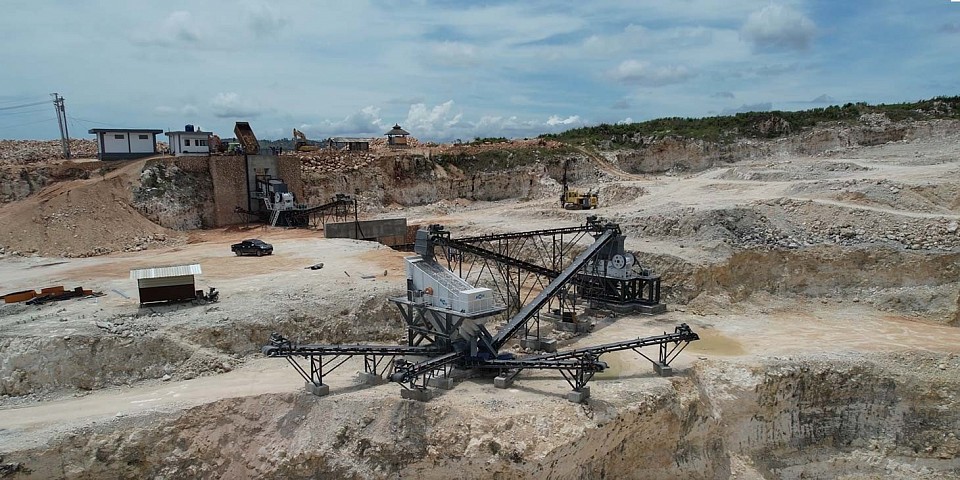
Investing in Sustainability: How Portable Crusher Plants Lead to Greener Projects
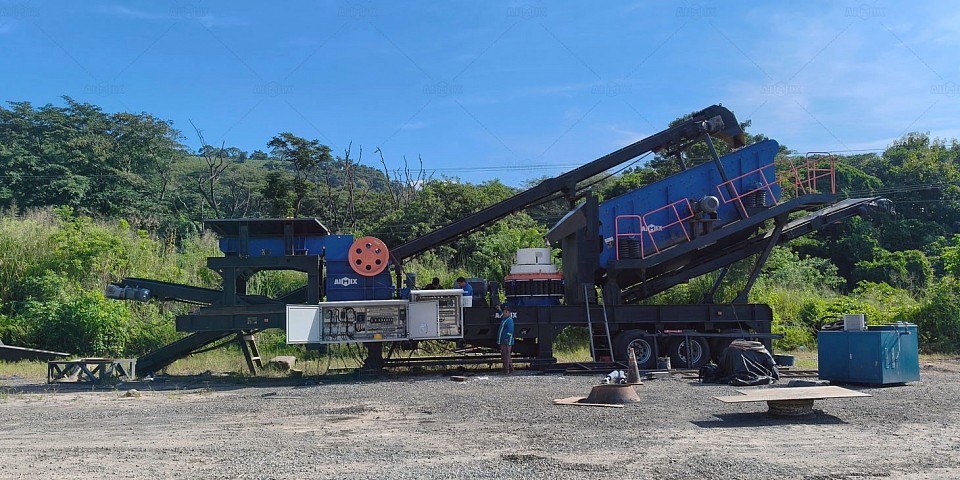
The contemporary construction and mining sectors operate under an unprecedented mandate: to deliver essential infrastructure and materials while radically diminishing their environmental footprint. This imperative demands a move beyond superficial gestures toward foundational changes in operational methodology. Within this context, the strategic deployment of portable crusher plant emerges not merely as an equipment choice, but as a profound investment in a sustainable project lifecycle. Their inherent mobility and modular functionality directly target the most significant sources of ecological impact in aggregate production—transportation logistics, virgin material consumption, and site-specific resource management. By analyzing their role through these lenses, it becomes clear that these plants are pivotal instruments for executing greener projects from the ground up.
The On-Site Paradigm: Eliminating the Haulage Quotient
The most unequivocal environmental advantage conferred by portable crushing equipment is the drastic reduction in material transportation. Traditional aggregate supply chains are predicated on a linear model: extraction at a remote quarry, primary crushing, transport to a stationary processing plant, secondary crushing and screening, and finally, transport to the project site. This sequence generates a staggering carbon and particulate emissions footprint.
Every kilometer a heavy-duty haul truck travels represents a direct emission of CO2, NOx, and other pollutants. Portable crusher plants dismantle this inefficient chain. By mobilizing the processing plant to the material source—whether that is a project's own excavation site, a nearby rocky outcrop, or a stockpile of demolition debris—the number of transport cycles is slashed. Raw feed moves mere meters or yards via loader to the hopper. Finished, specification aggregate is then produced directly where it is needed, often for immediate use in fill, sub-base, or concrete production. This logistical compression results in a quantifiable and often massive decrease in the project's overall carbon kilometers, a core metric for environmental impact assessments.
Beyond atmospheric emissions, the constant passage of heavy trucks imposes a severe burden on local communities and infrastructure. It contributes to road wear, noise pollution, safety hazards, and diesel particulate matter in populated areas. Deploying a portable plant minimizes this externalized cost. It contains the activity within the project's operational boundary, transforming a diffuse regional nuisance into a managed, on-site process. This demonstrates not only environmental stewardship but also superior social license to operate, a critical factor for projects in sensitive or populated corridors.
The Circular Economy Enabler: From Waste to Resource In Situ
Sustainability is inextricably linked to resource intelligence. The ability to repurpose on-site materials transforms a cost and waste liability into a value-generating asset, and portable crushers are the essential mechanical pivot for this transformation.
Construction and demolition debris, along with unsuitably sized rock from site excavation, traditionally represent a disposal problem. Hauling this "waste" to landfills consumes fuel, incurs tipping fees, and perpetuates a linear take-make-dispose model. A portable crushing plant stationed on-site interrupts this cycle. It processes this inert material into valuable recycled aggregate for road base, backfill, or drainage layers. This practice of in situ beneficiation closes the material loop on the project itself, dramatically reducing both the need to import virgin aggregate and the volume of waste exported. It embodies the circular economy principle at the most pragmatic level.
Every ton of recycled or locally quarried material processed on-site displaces a ton of material that would otherwise be extracted from a distant commercial quarry. This conservation of natural aggregate reserves is a profound but often overlooked environmental benefit. It reduces the cumulative footprint of quarrying—including habitat disruption, groundwater impact, and permanent landscape alteration—across the region. By enabling the use of lower-quality but locally abundant rock or recycled content, mobile stone crusher plant facilitate a more judicious and geographically appropriate use of the planet's geological resources.
Operational Precision and Resource Optimization
The environmental narrative of portable crushers extends beyond logistics and recycling into the granular details of their operational efficiency. Modern iterations are engineered to minimize their own direct resource consumption and emissions profile.
Stationary plants require material to come to them, often leading to operational delays and machinery running at non-optimal load. Portable plants, particularly track-mounted units, exhibit superior fuel efficiency through purpose-driven mobility. They can be positioned for optimal feeder access, moved closer to the active working face as a project progresses, and quickly relocated to process different material stockpiles. This agility eliminates unnecessary loader travel and reduces the plant's own idle running time. Advanced diesel-electric drives on some models allow the crushing systems to be powered electrically once on location, further cutting fuel use and emissions during the processing phase itself.
Water for dust suppression is a precious resource, particularly in arid regions. Modern portable plants are designed as integrated systems, featuring enclosed conveyor transfer points, strategically placed spray bars with precise solenoid controls, and sometimes even fog cannons. This targeted approach ensures dust control efficacy while minimizing water consumption. Furthermore, by containing the entire crushing circuit within a compact, mobile footprint, the area requiring active dust management is significantly reduced compared to a sprawling fixed crushing plant. This leads to a lower total environmental burden from both water extraction and potential particulate matter release.
In conclusion, investing in portable crushing technology is an investment in a leaner, more intelligent, and fundamentally less wasteful project methodology. Its value proposition is measured not only in reduced haulage costs and virgin material savings but in the tangible curtailment of a project's carbon ledger, its contribution to a circular material flow, and its precise management of on-site resources. For the forward-thinking project owner or contractor, it represents a decisive step toward reconciling industrial necessity with ecological responsibility.
How to Optimize Your Sand Manufacturing Process for Better Quality
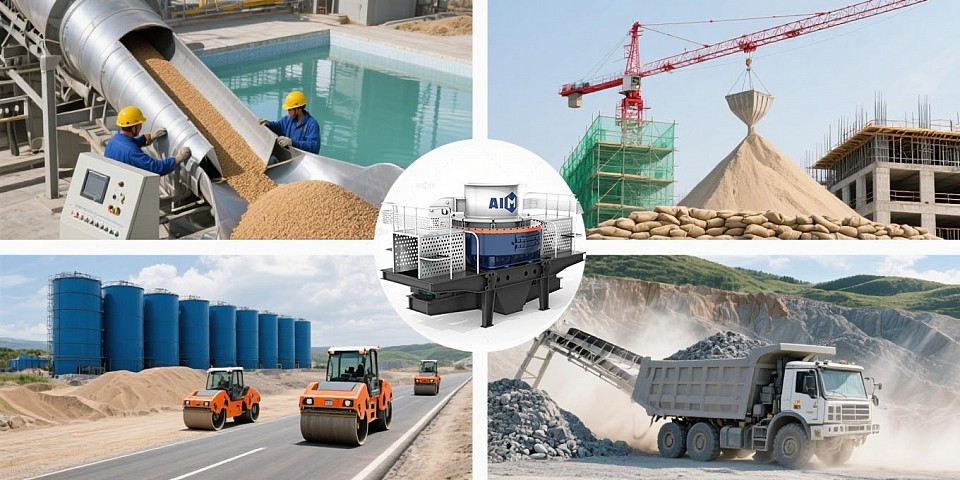
The production of high-quality manufactured sand, or M-Sand, is a nuanced alchemy that transcends simple rock crushing. It is a deliberate engineering process aimed at creating a consistent, high-performance aggregate that meets, and often exceeds, the properties of natural river sand. Optimization is not a single adjustment but a holistic approach to the entire production chain, from the raw feed entering the hopper to the final product loading onto a truck. Each stage presents an opportunity to refine the sand's physical characteristics—its particle size distribution, shape, surface texture, and cleanliness—all of which directly influence the workability, strength, and durability of the concrete or mortar it will become.
The Foundational Input: Sourcing and Pre-Screening Raw Feed Material
Quality output is irrevocably dependent on quality input. The optimization journey begins with a rigorous assessment and preparation of the raw feed material, typically quarry rocks or durable oversize from aggregate production. Consistency in the feedstock's hardness, abrasiveness, and size is paramount; a highly variable feed will cause unpredictable wear on crusher components and lead to wild fluctuations in the final product's gradation. Implementing a robust pre-screening protocol is essential. A powerful scalping screen removes fine material and soil before the rock enters the primary aggregate crusher. This pre-cleaning stage prevents the unnecessary processing of already-suitable material and, more critically, mitigates the impact of deleterious substances like clay, silt, and organic matter. These contaminants can coat sand particles, disrupting the crucial bond with cement paste and compromising the integrity of the final construction material. A clean, consistent feed is the non-negotiable first chapter in the story of premium M-Sand.
The Heart of the Matter: Crusher Selection and Configuration for Shaping
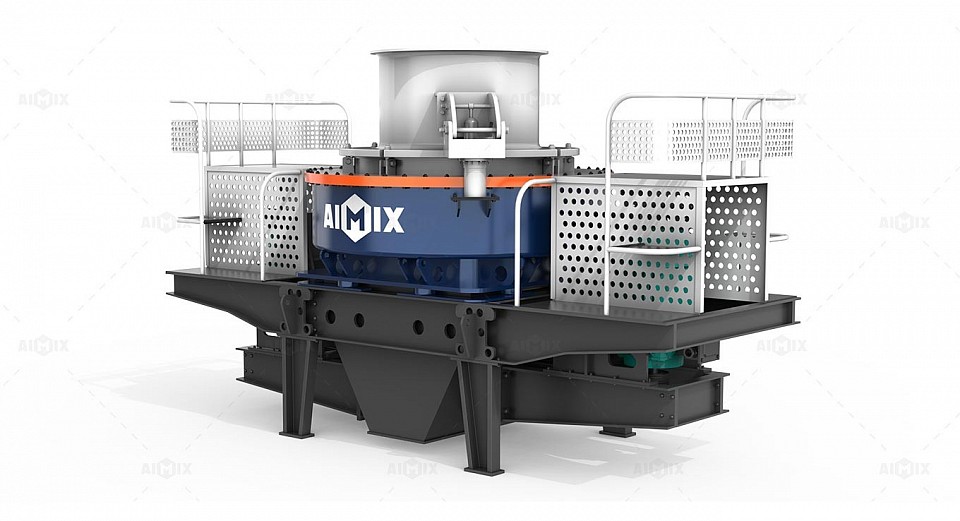
The core objective in the sand manufacturing stage is not merely size reduction, but the intentional shaping of particle morphology. The ideal manufactured sand particle is cubical or spherical, with rounded edges and a rough surface texture to ensure excellent bonding. Achieving this requires moving beyond primary jaw crushers to specialized tertiary and quaternary crushing technologies. Vertical Shaft Impactors (VSIs) - sand making crusher machine are often the centerpiece of a quality sand circuit. By accelerating rock into a high-speed rotor and then impacting it against anvils or rock shelves in a controlled cascade, VSIs fracture the material along its natural grain lines, promoting a more cubical shape. Cone crushers, when configured correctly with the right liner profile and closed-side setting, can also contribute to effective shaping. The optimization here is granular: adjusting rotor speed, the cascade flow of material within the chamber, and the specific design of impact surfaces all coalesce to influence the final grain structure.
The Art of Classification: Precision Sizing and Fines Management
Once shaped, the crushed material must be meticulously classified. Simple static vibrating screens are often insufficient for the final cut, as they struggle with high moisture content and the precise separation of fine particles. This is where specialized classification technology becomes vital. For removing excess fines—the minus 75-micron or 150-micron material that can increase water demand in concrete—wet washing systems or advanced air classifiers are employed. A well-designed sand screw or cyclonic separator in a wash plant can efficiently remove unwanted silt. Dry air classifiers use controlled air currents to segregate particles by weight and size, offering a water-conserving alternative. The goal is precise surgical control over the final gradation curve, ensuring the sand contains the optimal amount of necessary fine material to fill voids without including harmful, dusty fines that degrade performance.
The Integration of Systems: Process Control and Data-Driven Refinement
True optimization is realized when individual machines are harmonized into a responsive, integrated system. This requires a shift from manual operation to informed process control. Key parameters must be balanced in real-time: the feed rate must match the mobile rock crusher's capacity to prevent choking or starvation; crusher load amps should be monitored to ensure optimal power draw and crushing efficiency; screen deck performance must be verified to guarantee proper sizing. Modern plants incorporate sensors for moisture monitoring and, in some cases, automated particle size analysis using laser or image-based technology. This stream of data allows for continuous, micro-adjustments. Embracing even a basic level of automation—such as variable frequency drives on feeders and crushers linked to load sensors—creates a self-regulating circuit that produces a remarkably consistent product, batch after batch. This data-driven refinement is the final, crucial step in transforming a simple crushing operation into a reliable, high-quality sand manufacturing process.
From Impact Crusher to Vertical Shaft ImapctCrusher for Sand Making: Technological Evolution and Advantages
The journey from traditional horizontal shaft impact crushers to specialized Vertical Shaft Impact (VSI) crushers represents a significant technological evolution in the pursuit of high-quality manufactured sand. While both machines operate on the impact crushing principle, their methodologies and final outcomes differ substantially, reflecting a deeper understanding of aggregate particle morphology. This progression is not merely a change in orientation but a deliberate refinement aimed at addressing the specific demands of modern concrete and asphalt mixes, which require precisely shaped, well-graded aggregate to achieve optimal strength, workability, and durability. Understanding this evolution is crucial for producers seeking to elevate their product quality and operational efficiency, ensuring their materials meet the exacting standards of today's construction industry.
The Shift in Methodology: Impact Dynamics and Particle Shape Control
The fundamental distinction between the crusher machine for sale lies in their chamber design and the resulting particle-on-particle interaction. A horizontal shaft impactor typically utilizes hammers or blow bars that violently throw material against hardened aprons. This process, while effective for primary and secondary reduction, often produces a fractured product with a higher proportion of flaky and elongated particles. The Vertical Shaft Impact crusher, in contrast, employs a different philosophy. Material is fed into the center of a rapidly rotating rotor and is accelerated outward into a stationary anvil ring, a process often referred to as a "rock shelf" or "rock-on-rock" crushing chamber. This configuration promotes intense inter-particle comminution, where rocks break against each other rather than solely against metallic surfaces. This autogenous grinding action is the key to its superiority in shaping, as it naturally tends to fracture stones along their natural cleavage planes, producing a more cubical product with minimal internal stress and significantly reduced flakiness.
The VSI Advantage: Superior Product Quality and Gradation
The most compelling reason for adopting VSI technology is the demonstrable enhancement in final product specification. The cubical particle shape it generates is highly prized in high-performance applications. In concrete, these interlocking cubes create a stronger skeletal structure, reducing the water demand for a given workability and leading to higher compressive strength and improved durability. In asphalt, they provide superior stability and resistance to rutting. Furthermore, VSI crushers(Sand making machine) offer unparalleled control over the final product gradation. By precisely adjusting the rotor speed, feed rate, and the cascade of material within the crushing chamber, operators can fine-tune the output to meet specific grading curves. Many modern VSI systems are equipped with integrated air classifiers that actively remove excess microfines, allowing producers to precisely manage the minus 75-micron content. This level of control is difficult to achieve consistently with horizontal shaft impactors, making the VSI the definitive tool for producing specification sand and chip products directly from the crusher.
Operational and Economic Benefits for Modern Aggregate Producers
Beyond product quality, the VSI crusher delivers tangible operational and economic advantages that contribute to a more sustainable and profitable operation. One of its most significant benefits is its ability to handle highly abrasive materials with greater wear-part economy. In a rock-on-rock VSI configuration, the wear is distributed across the entire cascade of material acting as a lining, protecting the stationary anvils. This can lead to a lower cost per ton for wear parts compared to the direct metal-to-rock impact in many horizontal shaft designs. The production of a well-shaped, in-spec product directly from the impact crusher also reduces the load on downstream screening and classification circuits, potentially increasing overall plant throughput. By creating a saleable sand product as a primary output, the VSI helps producers maximize the value extracted from every ton of raw feed, minimizing waste and converting what might be a surplus of crusher fines into a high-value commodity. This holistic approach to resource utilization not only boosts the bottom line but also aligns with more sustainable and efficient quarry management practices, ensuring the long-term viability of the operation.
Maximizing Aggregate Yield: The Role of Mobile Gravel Crushers in Modern Quarries
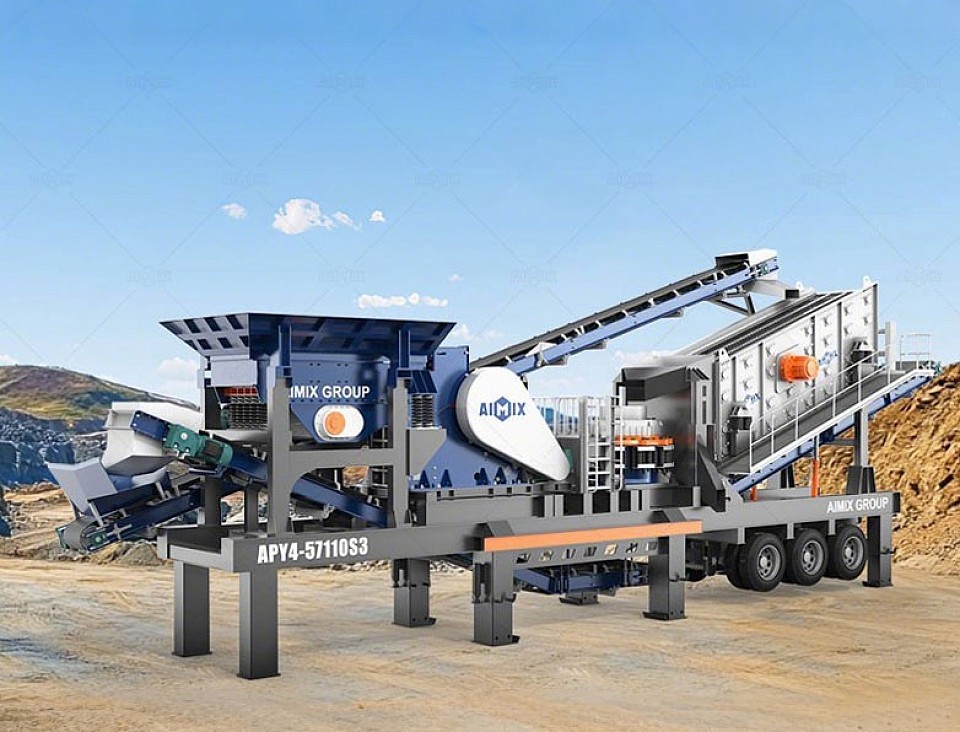
In the heart of a modern quarry, the relentless pursuit of efficiency unfolds. The measure of success is no longer just the volume of rock extracted, but the percentage of that rock successfully converted into saleable aggregate. This is the critical metric of yield, and it is here that a quiet revolution is taking place. The traditional model of fixed crushing plants, with their sprawling conveyor networks and relentless parade of haul trucks, is being fundamentally challenged. Enter the mobile gravel crusher, a nimble and intelligent piece of engineering that is transforming quarries from static excavations into dynamic, high-yield processing centers. By bringing the crusher directly to the raw material, these self-propelled units are unlocking unprecedented levels of material recovery, operational flexibility, and resource stewardship, redefining what it means to run a profitable and responsible aggregate operation.
The Paradigm Shift: From Static Pits to Dynamic Processing Hubs
The introduction of a mobile crusher fundamentally alters the spatial and logistical dynamics of a quarry. It replaces a linear, transport-heavy model with a decentralized and agile approach to material processing.
Unlocking Stranded Resources and Reducing Haulage Inefficiency
In a traditional setup, vast amounts of energy and expense are dedicated to moving raw material. Haul trucks consume immense quantities of diesel fuel to transport unprocessed rock from the working face to a distant, stationary primary crusher. This process is not only costly but also limits access to smaller, isolated pockets of resource. A mobile crusher, with its ability to traverse the rugged terrain of the quarry floor, eliminates this massive logistical tail. It can be positioned directly at the excavation site, processing material where it lies. This drastically reduces haulage cycles, lowers fuel consumption, and makes it economically viable to process smaller or more geologically complex deposits that were previously considered uneconomical.
Precision Sizing and On-Demand Product Specialization
Beyond mere relocation, mobile crushers introduce a new dimension of operational precision. Many modern units are equipped with advanced screening systems, allowing for closed-circuit operation. This means material can be crushed and then immediately screened; oversized pieces are recirculated back into the crusher, while correctly sized aggregate is sorted into designated stockpiles. This on-the-spot capability allows quarry managers to respond with agility to specific customer orders, producing a particular blend or size of aggregate without disrupting the entire gravel crusher plant's flow. It turns a section of the quarry into a pop-up, specialized production line.
The Mechanics of Maximization: How Mobile Crushers Enhance Yield
The true genius of these machines lies in their direct contribution to recovering a higher percentage of saleable product from every ton of raw feed.
Selective Crushing and Contour-Following Operations
A stationary plant requires a consistent feed of homogenous material to operate efficiently. In contrast, a mobile crusher can be used to selectively process specific benches or layers within the quarry, targeting zones with the most favorable geology for high-quality aggregate. Its mobility allows it to follow the natural contour of the resource, ensuring a more complete and thorough extraction. This surgical approach minimizes the dilution of high-value aggregate with subgrade material or overburden, directly boosting the overall yield and quality of the final product.
Real-Time Reprocessing and Stockpile Optimization
One of the most significant sources of yield loss in quarries is the accumulation of "waste" piles that still contain a substantial amount of usable material. These can be old, sub-optimal stockpiles or the result of previous screening processes. A mobile crusher acts as a strategic cleanup crew. It can be effortlessly moved to these legacy piles to reprocess them, liberating trapped aggregate and turning a dormant liability into a fresh revenue stream. This ability to continuously scavenge and optimize existing material on-site ensures that the quarry is working its assets to their fullest potential, leaving very little behind.
The Compound Benefits: Profitability Woven with Sustainability
The decision to integrate mobile crushing technology is not just a tactical one; it’s a strategic move that generates a powerful compound return, blending financial gains with tangible environmental progress.
The Direct Financial Impact of Increased Material Recovery
The financial argument is compelling and direct. Every additional percentage point of yield recovered from the same footprint of land represents pure, incremental profit. By converting what was once considered overburden or waste into a saleable product, the mobile quarry crusher directly expands the quarry's reserve base without the need for additional land acquisition or permitting. The concurrent reductions in haulage fuel, tire wear, and equipment maintenance on the truck fleet contribute a significant secondary stream of cost savings, dramatically improving the operation's overall cost-per-ton.
Building a Legacy of Environmental Stewardship
Perhaps the most profound benefit is the positive environmental footprint. The drastic reduction in truck traffic within the quarry leads to immediate and substantial cuts in diesel emissions and dust generation. Furthermore, by maximizing the yield from a given site, the quarry extends its operational life and reduces the need to expand into new greenfield areas. This efficient use of the resource base, coupled with the ability to rehabilitate sections of the quarry more progressively as they are fully exhausted, represents a modern, responsible approach to resource extraction. The mobile crusher, therefore, becomes more than just a machine; it becomes a partner in building a business that is not only more profitable but also more sustainable for the community and the planet.
Effective Techniques for Crushing Hard Rock Materials
Crushing hard rock materials is a critical process in various industries, including mining, construction, and infrastructure development. Hard rock, such as granite, marble, and basalt, requires specialized equipment and techniques to be efficiently crushed. Below is a detailed guide on how to crush hard rock materials effectively.
1. Select the Appropriate Equipment
The first step in crushing hard rock materials is to choose the right equipment. Different types of rock require different rock crushers. For example, cone crushers are highly effective for medium-fine crushing of hard rock, while hydraulic cone crushers are ideal for coarse crushing. Always ensure that the equipment is durable and has good wear resistance to handle the abrasive nature of hard rock.
2. Optimize the Crushing Process
Once the equipment is selected, optimizing the crushing process is essential for achieving the desired results. Proper alignment of the equipment and adjusting the feed rate can significantly improve efficiency. For instance, using a multi-cylinder hydraulic cone crusher can provide better material flow and reduce energy consumption compared to traditional single-cylinder cone crushers.
3. Use Mobile Crushers for Flexibility
If you need to move from one job site to another, a mobile rock crusher is an excellent choice. These crushers are highly transportable and can adapt to various locations and conditions. They are also ideal for temporary operations where frequent setups are required. By using a small, portable crusher, you can save time and reduce the need for long-distance transportation of materials.
4. Incorporate Environmental Considerations
In addition to mechanical efficiency, incorporating environmental considerations is important when crushing hard rock materials. For example, using advanced technologies like ERW (Elastic Regenerative Wheel) can help promote natural geochemical processes, such as carbon sequestration. This not only enhances the efficiency of the crushing process but also contributes to environmental sustainability.
By following these steps, you can effectively crush hard rock materials and contribute to the efficient extraction of valuable resources. Whether you are working in mining, construction, or infrastructure development, the right equipment and techniques will ensure optimal results.
Granite Crushing for Sand: Understanding the Process and Its Applications
Let's get one thing straight right now. The idea of crushing one of the hardest stones on the planet to make something as seemingly simple as sand might seem like overkill. It's not. It's a necessary, brutal, and brilliant piece of industrial alchemy. With natural sand sources being depleted and their quality becoming increasingly unreliable, the construction industry faces a simple, stark choice: adapt or crumble. Using weak, dirty, or poorly graded river sand is a gamble with catastrophic consequences, a shortcut that leads directly to structural failure. Crushing granite for sand isn't just an alternative; for any serious project demanding longevity and strength, it's the only professional choice. This process transforms a raw, intractable material into a perfectly engineered, high-performance construction aggregate that natural sand can't hope to match.
The Brutal Alchemy: Turning Mountain Rock into Construction Gold
The value of granite-derived sand, often called manufactured sand or M-sand, lies in its engineered perfection. Unlike river sand, which is worn smooth by eons of water flow, granite sand is freshly fractured. This is its supreme advantage. The process is a deliberate, two-stage assault on the rock. First, you break it down from boulders to manageable gravel. Then, you pulverize and shape that gravel into sand-sized particles. The goal isn't just to make small rocks out of big ones; it's to create a product with a specific, optimal grain size distribution and, most critically, a cubical or angular particle shape. These jagged, multi-faceted grains create a far stronger mechanical interlock in concrete and asphalt. They don't slide past each other like the round, smooth particles of river sand. This results in a more cohesive mix, higher compressive strength, and reduced cement consumption. You are building with a material that actively contributes to the structure's integrity, not one that just fills space.
The Machinery of Destruction: What It Takes to Pulverize Granite
You don't tame granite with gentle tools. This demands a cascade of immense, purpose-built machines, each applying a different form of violent force. The process begins with a primary jaw crusher. This is the sledgehammer. It's a brute-force machine that uses a massive, oscillating metal plate to compress and shatter large granite boulders into smaller, fist-sized pieces. This is about raw breaking power. Next, the material moves to secondary crushers. Here, the strategy shifts. Cone crushers use a gyrating mantle within a concave bowl to compress and abrade the stone, producing a more refined and consistent gravel. Impact crushers, alternatively, hurl the rock against hardened steel anvils at high speed, fracturing it along its natural cleavage lines. For the final stage—the creation of the sand itself—the Vertical Shaft Impactor (VSI) is king. The VSI sand making machine accelerates rock at tremendous speed and throws it against a cascade of other rocks, creating a high-energy "rock-on-rock" collision that fractures the stone into the desired cubical sand particles while simultaneously refining its grading. This is not a gentle process; it is a controlled, mechanical cataclysm.
The Hard Truth: Why This Expensive Process is Actually Cheaper
Here’s the bottom line that every project manager and developer needs to understand: the higher initial cost of granite-derived M-sand is the cheapest insurance policy you can buy. The true cost of construction isn't just the invoice for materials on day one; it's the cost of maintaining that structure for decades. Using subpar river sand contaminated with silt, clay, and organic matter directly undermines the bond between the sand and cement paste. This leads to concrete with lower tensile strength, increased permeability, and a higher susceptibility to cracking and chemical attack. The long-term financial liability of repairs, remediation, and potential failure dwarfs the marginal upfront savings of cheap, inferior sand. Granite sand provides an unassailable consistency. Every truckload is identical, allowing for precise, repeatable concrete mix designs. Its angular particles create a denser, less porous concrete that stands the test of time. In the relentless calculus of construction, where failure is not an option, specifying crushed granite sand isn't an extravagance. It's the fundamental, non-negotiable foundation for anything built to last.